Recognizing the Overlooked Early Signs of HIV in Women
Discover insights into understanding early HIV signs in women that often go unnoticed. While not definitive, recognizing potential signs can be crucial in seeking timely medical advice. Explore the nuanced symptoms, ranging from subtle flulike feelings to unexplained fatigue.
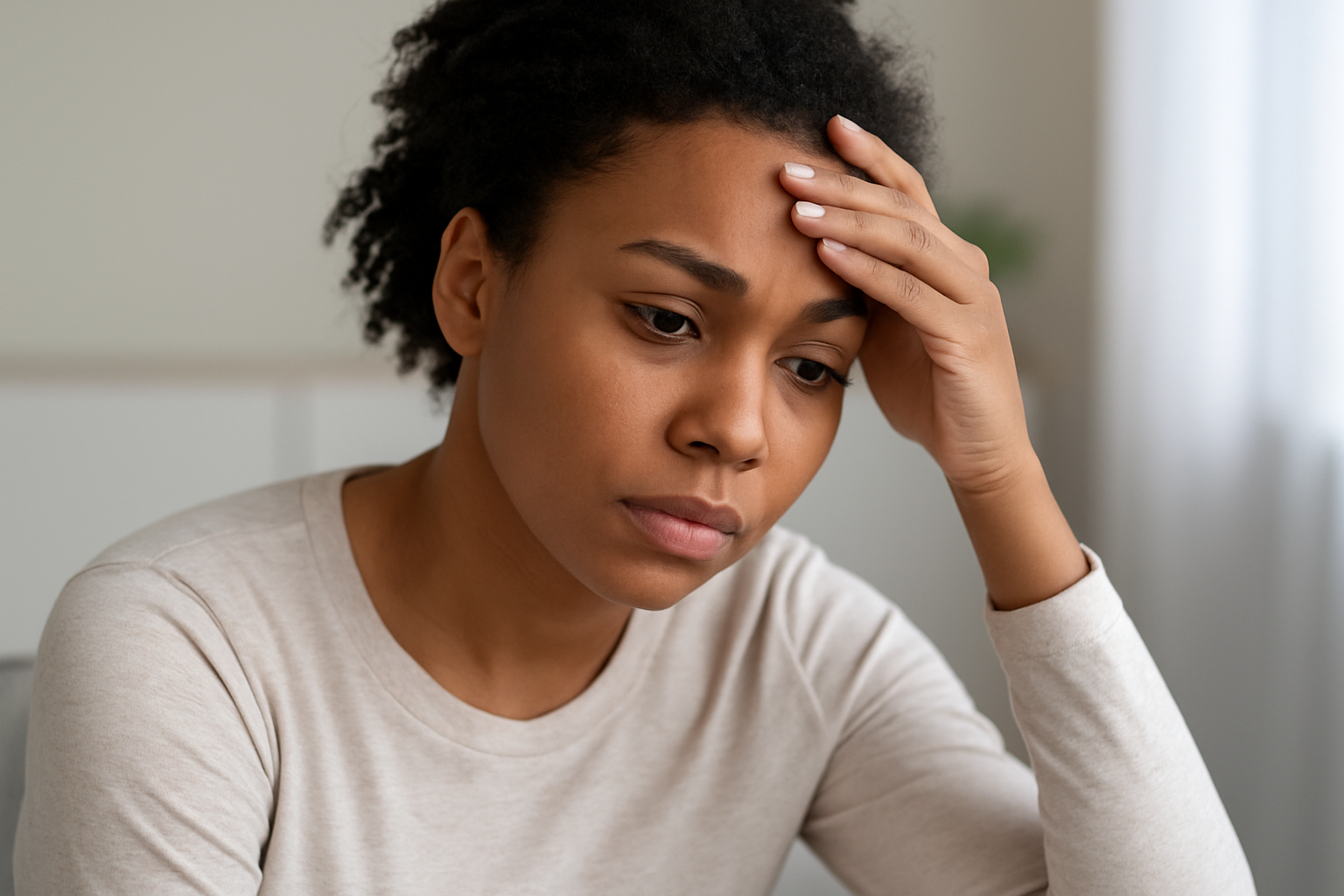
Understanding Early HIV Signs in Women
HIV, or Human Immunodeficiency Virus, affects individuals differently, and its early signs can often be subtle and varied, particularly in women. Understanding these signs is crucial for early detection and treatment. Despite medical advancements, there remains a significant gap in awareness, leading many early symptoms to be overlooked. This article will explore the early signs specific to women, providing valuable insights and answers to common inquiries.
Why Are HIV Signs Often Overlooked in Women?
Women can experience HIV symptoms differently than men, sometimes making them harder to recognize. This difference is compounded by social, psychological, and biological factors that can lead to delayed diagnosis. Key reasons include:
- General misconceptions about risk levels among women.
- Symptoms that resemble other common female-specific conditions, such as menopause or menstrual complications.
- Stigmatization and fear of discrimination in healthcare settings.
Symptoms Commonly Overlooked in Women
While both men and women can experience similar HIV symptoms, certain signs are more prominent or often specific to women. Early symptoms may include:
- Recurrent yeast infections: More frequent or severe than usual, these can be an early sign of a weakened immune system.
- Pelvic inflammatory disease (PID): This infection of the female reproductive organs can be chronic or recurrent in women with HIV.
- Menstrual changes: Changes in menstrual cycle regularity or flow can indicate immune changes associated with early HIV.
- Unexplained weight loss: Significant weight loss without any dietary or lifestyle changes can be an important signal.
- Persistent fatigue and headaches: While common for various conditions, their presence without obvious cause warrants further investigation.
The Importance of Early Detection
Early detection of HIV not only helps in managing the disease more effectively but also reduces its transmission to others. Women benefit from early detection through:
- Improved treatment outcomes: Starting antiretroviral therapy (ART) early improves long-term health and reduces the chance of HIV progression.
- Reduced complications: Early intervention helps manage and alleviate symptoms, preventing complications like opportunistic infections.
- Preventing transmission: Knowledge of one’s status enables women to take steps to protect their partners and children.
According to a 2026 report by the CDC, early diagnosis and continuous care among women have increased life expectancy post-HIV diagnosis by more than 40% over the past decade. CDC HIV Statistics
Steps for Monitoring and Prevention
Regular Testing
Regular HIV testing is an important preventive measure. It allows for early detection, even if no symptoms are present. Women at higher risk should discuss testing frequency with their healthcare provider.
Lifestyle and Preventative Measures
- Safe practices: Use protection during sexual activities and refrain from sharing needles.
- Routine healthcare: Regular check-ups can help catch symptoms early and prevent misdiagnosis of HIV-related conditions.
- Knowledge and education: Stay informed about the virus and its implications through credible resources and support groups.
Incorporating these steps into one’s routine can significantly reduce the impact of HIV. A 2026 study from the National Institute of Health emphasizes the role of education and regular screening in improving health outcomes among HIV-positive individuals. NIH HIV/AIDS Research
Seeking Support and Resources
For women diagnosed with HIV, accessing support systems is vital. There are numerous organizations, both online and offline, that offer guidance, resources, and emotional support. Joining support groups can help women manage feelings of isolation and connect with others facing similar challenges.
Key Support Organizations
- Office on Women’s Health - Provides comprehensive resources on women’s health issues, including HIV.
- AIDS United - Offers support and resources to individuals living with HIV.
- AVERT - An international HIV and AIDS charity offering up-to-date information on prevention and care.
By leveraging these resources, women can better manage their health and wellbeing while living with HIV.