Recognizing the Subtle Signs of a Heart Attack Before It's Too Late
Discover the subtle signs that could indicate a potential heart attack risk. Recognizing these early heart attack warning signs can help you seek timely medical advice. While not every symptom guarantees a heart attack, being informed empowers you to make proactive health decisions.
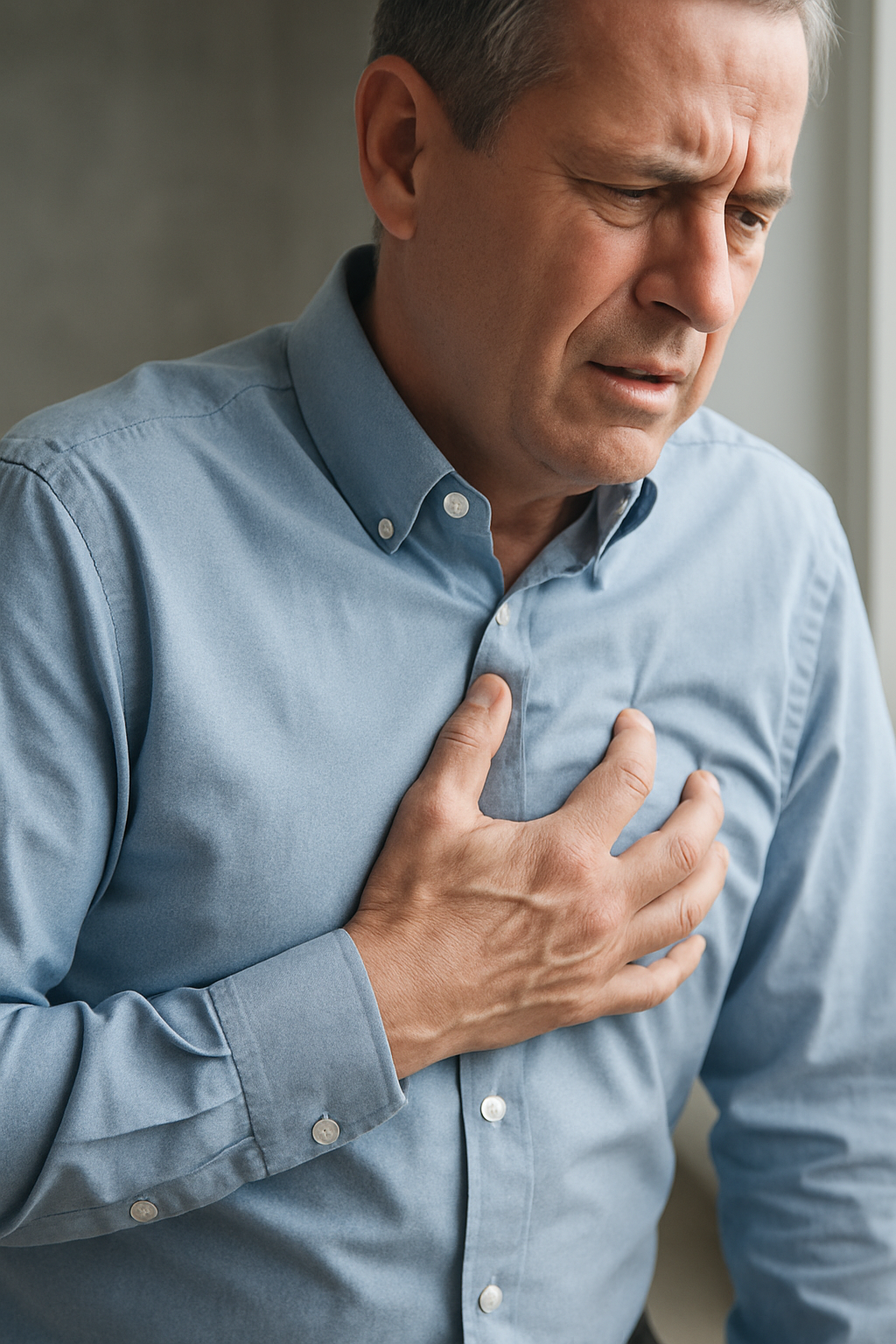
Understanding Heart Attacks: The Importance of Early Warning Signs
Heart attacks are a critical health concern worldwide, often striking without warning. Recognizing the early warning signs of a heart attack can be a life-saving skill. In recent years, there has been an increasing emphasis on public awareness of these early indicators as they can significantly improve the chances of survival and recovery.
Understanding these signs and what they could mean is crucial for everyone, whether for personal health or to help someone else in need. Heart disease remains a leading cause of death globally, making it all the more important to discuss and disseminate information.
What Are the Early Heart Attack Warning Signs?
Early heart attack signs can vary among individuals and can often be mistaken for other less serious conditions. However, being aware of these symptoms can trigger timely medical intervention.
- Chest Discomfort: This is the most common sign, often described as pressure, squeezing, fullness, or pain in the center or left side of the chest. It may last more than a few minutes or go away and return.
- Shortness of Breath: This can occur with or without chest discomfort and can sometimes feel like you're unable to catch your breath.
- Cold Sweat: Sudden, unexplained sweating, particularly if it is accompanied by other warning signs, should not be ignored.
- Nausea or Vomiting: Feeling sick to your stomach or actually vomiting is another symptom, especially significant in women.
- Lightheadedness or Dizziness: These symptoms can indicate that your heart is not pumping adequate blood to your brain.
- Pain or Discomfort in Other Areas: The pain might spread to shoulders, arms, back, neck, teeth, or jaws.
Differences in Symptoms Between Men and Women
Heart attack symptoms can present differently in men and women. While chest pain is the most common symptom in both, women are more likely to experience non-traditional symptoms such as nausea, back or jaw pain, and shortness of breath.
Recent research published in the Journal of the American College of Cardiology highlights that women may experience these subtler symptoms during a heart attack, which can lead to delays in seeking treatment.
Risk Factors and How to Address Them
Knowing the risk factors for heart disease can help in the prevention of heart attacks. Common risk factors include:
- High Blood Pressure: Hypertension is a major risk factor. Routine checks and medication compliance can help manage it.
- High Cholesterol: Keeping cholesterol levels in check is crucial, considering dietary adjustments and medication if necessary.
- Smoking: Quit smoking to significantly reduce heart disease risk.
- Diabetes: Maintain control over blood sugar levels as diabetes increases heart disease risk.
- Obesity: A healthy diet and regular exercise are keys to controlling weight.
- Family History: Genetics can play a role, so be extra vigilant if you have a family history of heart disease.
Ultimately, lifestyle changes can significantly reduce these risks. For instance, regular exercise and a diet rich in fruits and vegetables have been shown to lower heart disease risk, according to CDC data from 2026.
What to Do if You Suspect a Heart Attack?
If you or someone near you exhibits signs of a heart attack, immediate action is crucial. Call emergency services immediately. While waiting for help:
- Have the person sit down and rest calmly to reduce the heart's workload.
- If the person is not allergic, administer aspirin as it helps thin the blood and can be beneficial during a heart attack.
- Monitor the person's condition closely and be prepared to provide CPR if necessary and if you are trained to do so.
Remember, time is muscle. The sooner a heart attack is treated, the less damage to the heart muscle and the better the outcome.
Modern Medical Interventions
Medical advancements have introduced a number of interventions that can effectively treat heart attacks when caught early. Clot-busting drugs, for instance, can dissolve the clot causing the heart attack if administered shortly after symptoms begin. Moreover, procedures like angioplasty and the placement of stents have revolutionized long-term management and recovery.
In 2026, a study from the World Health Organization emphasizes the importance of immediate intervention and rehabilitation programs to improve cardiac outcomes post-heart attack.
The Role of Regular Health Screenings
Regular health screenings play a crucial role in detecting heart disease before a heart attack occurs. Blood pressure checks, cholesterol level testing, and diabetes screenings should be part of routine health maintenance, particularly for those with risk factors.
Advancements in medical technology have made it easier than ever to access these screenings, and they're an invaluable tool in preventing heart attacks before they happen.
Conclusion
Recognizing early heart attack warning signs is a critical step in managing and preventing severe consequences. By understanding these symptoms and risk factors, adopting healthier lifestyle habits, and utilizing medical resources, we can all contribute to reducing the incidence and impact of heart attacks within our communities.
Always remember, when it comes to heart attacks, every second counts. Being informed, aware, and proactive can make all the difference.