Recognizing the Subtle Signs of Low Testosterone in Women
Curious about low testosterone in females? Discover the subtle signs that might indicate low testosterone levels. From fatigue to mood changes, understanding these symptoms can help you identify potential issues. But remember, only a healthcare professional can provide a proper diagnosis.
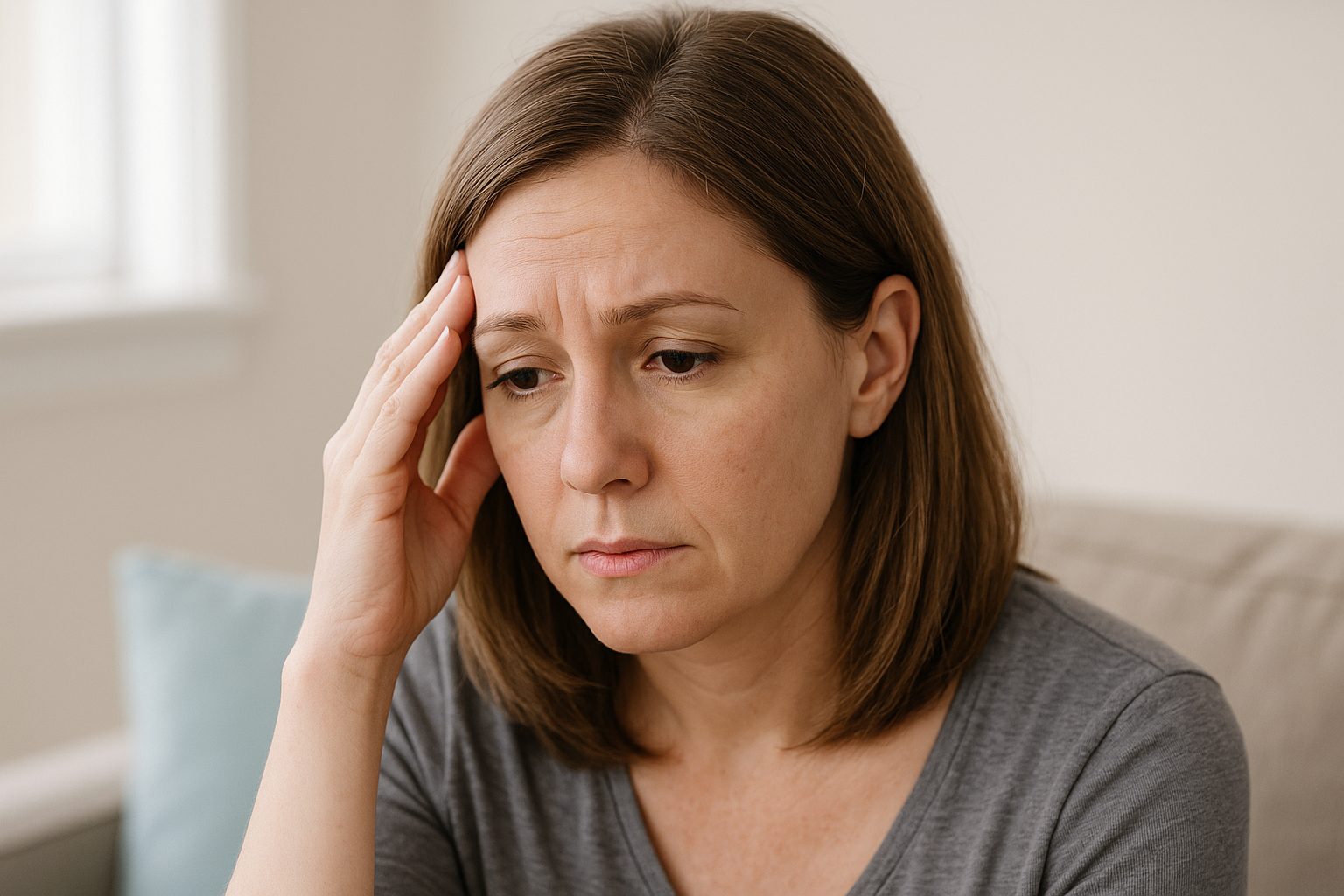
Understanding Low Testosterone in Females
While testosterone is typically associated with male health, it's equally critical for females. Hormonal imbalances can have profound impacts on one's health, and understanding these imbalances is crucial for early intervention and effective treatment. In this article, we dive deep into the signs of low testosterone in females and explore the broader implications on overall health.
What Is Testosterone?
Testosterone is a steroid hormone that plays a key role in health and well-being. While men produce more testosterone, women generate this hormone in the ovaries and adrenal glands, albeit in smaller amounts. In females, testosterone supports muscle and bone strength, libido, mood regulation, and energy levels.
Main Signs of Low Testosterone in Females
Recognizing the symptoms of low testosterone is vital for seeking timely medical attention. Below are some of the primary indicators:
- Fatigue and Low Energy Levels: A common symptom often overlooked. Women might experience feelings of exhaustion that are not alleviated by rest.
- Decreased Libido: One of the most noticeable symptoms is a reduced interest in sexual activity, which can also impact relationships.
- Mood Changes: Low testosterone might contribute to emotional instability, including increased irritability, anxiety, and depression.
- Loss of Muscle Mass: Since testosterone helps maintain muscle, low levels can lead to a decrease in muscle size and strength.
- Increased Body Fat: Hormonal imbalances can lead to changes in body composition, particularly an increase in body fat.
- Thinning hair: Hair loss or thinning could also be linked to hormonal shifts in testosterone levels.
The Causes Behind Low Testosterone in Women
Understanding the causes of low testosterone can help in addressing the issue effectively. Some potential causes include:
- Age: Testosterone naturally declines with age, particularly during menopause.
- Ovarian Disorders: Conditions like polycystic ovary syndrome (PCOS) can impact hormone levels significantly.
- Medications: Certain medications, such as those used to treat breast cancer or birth control pills, can affect hormone levels.
- Adrenal Insufficiency: The adrenal glands might not produce enough hormones, affecting testosterone levels.
Diagnosis and Testing Methods
If you suspect low testosterone, it's important to consult with a healthcare provider. Diagnosis typically involves:
- Blood Tests: Hormone levels can be directly measured using specific blood tests to check testosterone levels, preferably in the morning when they are highest.
- Symptom Assessment: Your doctor will evaluate your symptoms along with any associated health conditions to get a full picture.
Effective Treatment Options
Treatment for low testosterone in women involves comprehensive approaches designed to address hormone balance and symptom relief:
- Testosterone Therapy: This option, under strict medical supervision, involves the administration of testosterone in topical or injectable forms.
- Lifestyle Modifications: Regular exercise, a balanced diet, and managing stress can naturally influence hormone levels.
- Alternative Therapies: Herbal supplements and acupuncture are sometimes used, although their efficacy requires further research.
More recent studies have been focusing on innovative treatment methods including personalized hormone replacement therapy (Ref. Healthline 2026).
Living with Low Testosterone: Real-world Insights
Consider Emma's story, a 45-year-old who noticed unexpected fatigue and emotional changes after entering peri-menopause. With medical guidance, she started testosterone therapy, alongside lifestyle adjustments focusing on nutrition and mindfulness techniques.
Emma's experience, shared by many women, highlights the importance of medical advice and a holistic approach to hormone health. For more on managing life with hormonal changes, visit Mayo Clinic 2026.
Conclusion: The Path Forward
Low testosterone in females is an important health concern, yet it often goes undiagnosed due to its subtle symptoms. Recognizing these signs, understanding potential causes, and seeking appropriate treatment can vastly improve quality of life.
By empowering oneself with knowledge and seeking professional advice, women can effectively manage symptoms and lead healthier lives.