Retiree Costs in 2027: Comparing Federal Blue Cross Blue Shield Basic and Standard Plans
Explore your options for retirement healthcare with Federal Blue Cross Blue Shield Basic and Standard plans. Delve into the nuances of what retirees might expect to pay in 2027.
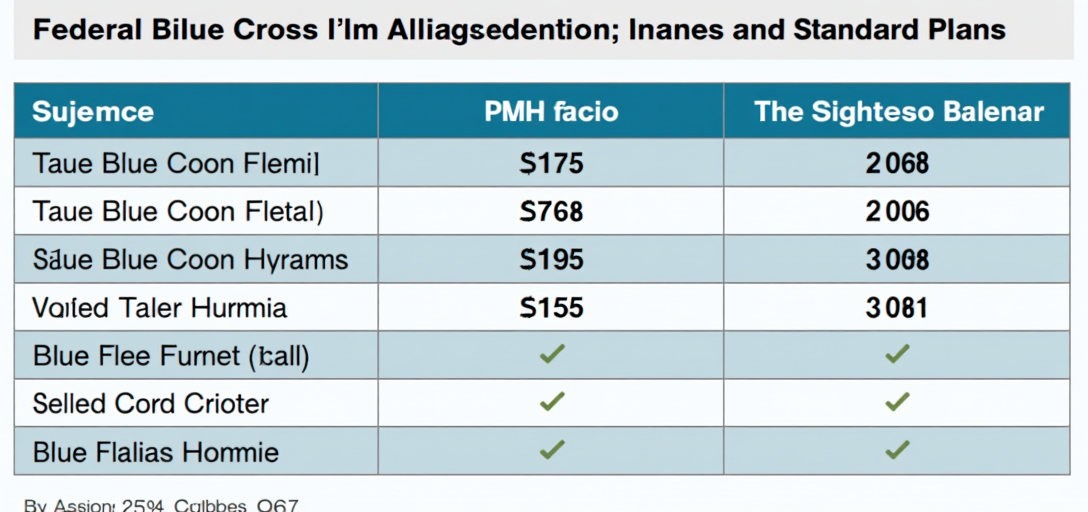
Understanding the Basics: Federal Blue Cross Blue Shield Plans
When it comes to choosing a health insurance plan, especially for retirees, understanding the differences between the Federal Blue Cross Blue Shield (BCBS) Basic and Standard options can make a significant financial difference. These plans are popular among federal employees, retirees, and their families, offering comprehensive coverage tailored to a range of healthcare needs and geographical locations within the United States.
Key Differences Between Basic and Standard Options
Both the Basic and Standard options provide extensive coverage, but they differ in terms of premium rates, out-of-pocket costs, and the network of healthcare providers you can access. Let’s break down these differences further.
- Premiums: The Basic option generally offers lower monthly premiums compared to the Standard plan. However, it's crucial to weigh this against potential out-of-pocket expenses.
- Out-of-Pocket Costs: Basic comes with lower copayments for some services but offers limited access to out-of-network providers, while Standard often provides broader access at a higher premium.
- Provider Choice: The Standard plan allows you to use out-of-network providers, albeit at a higher cost, which can be an important consideration for retirees wanting more flexibility in choosing their healthcare providers.
What Retirees Pay: Projected Costs in 2027
As healthcare costs continue to rise, understanding the potential financial impact in 2027 for each plan is essential for budgeting and planning. According to a report by the Congressional Budget Office (CBO), healthcare costs are projected to increase by approximately 5% annually. This trend affects overall premium rates and out-of-pocket expenses for both plans.[1]
For the Basic Plan
The Basic plan's lower monthly premiums remain appealing, particularly for those who primarily use in-network providers and have minimal healthcare needs. However, it’s worth anticipating a slight yearly premium increase due to inflation and rising healthcare costs.
For the Standard Plan
The Standard plan, while pricier upfront, might offer cost savings overall for those frequently using healthcare services or preferring diverse provider options. It’s expected that in 2027, retirees will pay more in premiums, but this may be offset by lower out-of-pocket maximums and greater flexibility in choosing healthcare providers.
Making an Informed Decision
Choosing between the Basic and Standard options requires a careful consideration of one’s healthcare needs and financial situation. Factors such as anticipated medical care needs, preferred healthcare providers, and geographical location can influence the decision.
Considerations for Healthcare Usage
- Evaluate past healthcare usage to estimate future needs. Frequent doctor visits or specialist care may justify the higher premiums of the Standard plan.
- Summarize potential changes in healthcare needs, especially considering age-related factors that could alter service usage.
Financial Planning for Retirees
Retirement presents a unique financial planning challenge, where managing fixed incomes against fluctuating healthcare costs becomes key. Use tools like the Office of Personnel Management’s (OPM) Plan Comparison Tool to forecast healthcare spending under different plans based on expected usage patterns.[2]
Conclusion: Tailoring Your Health Plan to Your Needs
Ultimately, the decision between the Federal Blue Cross Blue Shield Basic and Standard options should be influenced by both present and future healthcare expectations. By staying informed about the nuances in coverage options and potential 2027 costs, retirees can better manage their healthcare budgets and ensure they receive the care they need without financial strain.
For further reading and to explore specific plan benefits, retirees can visit resources like the Federal Employee Health Benefits (FEHB) Program guide and consult with health insurance experts or financial advisors.[3]
[1] Source: Congressional Budget Office Health Spending Projections
[2] Source: OPM Plan Comparison Tool
[3] Source: Federal Employee Health Benefits Program Guide