Revamp Your Space: Stylish Second-Hand Furniture Design Ideas
Discover refreshing ideas for secondhand furniture design that can transform your living space with creativity and sustainability. Learn how to curate unique interior styles by combining vintage pieces with modern trends.
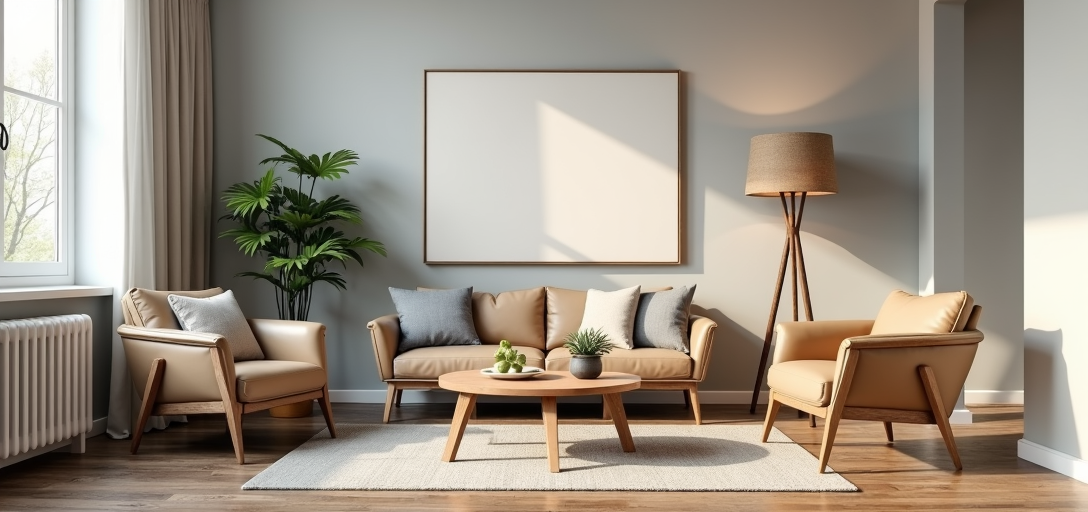
Understanding Second-Hand Furniture Design
The world of furniture design is evolving, with second-hand furniture gaining unprecedented popularity. This trend is largely driven by increased consumer awareness about sustainability and a growing appreciation for vintage aesthetics. But what does second-hand furniture design really entail, and why is it becoming a significant aspect of home decor in the US?
What Is Second-Hand Furniture Design?
Second-hand furniture design refers to the practice of repurposing or modifying used furniture pieces to fit modern tastes or to suit specific design needs. This can include anything from a simple repaint to a complete redesign, transforming an old piece into something unique and stylish.
Why Choose Second-Hand Furniture?
There are multiple reasons why opting for second-hand furniture is a smart choice:
- Sustainability: Choosing second-hand helps in reducing the demand for new products, which in turn reduces the strain on environmental resources associated with manufacturing and transportation.
- Affordability: Second-hand furniture is often considerably cheaper than new furniture, allowing individuals to furnish their homes without breaking the bank.
- Unique Style: Vintage or refurbished pieces often have a character that is hard to find in mass-produced modern furniture.
Current Trends in Second-Hand Furniture Design
As of 2026, several key trends have emerged in the second-hand furniture market:
- Mid-Century Modern Revival: This design style, characterized by clean lines and a minimalist aesthetic, continues to be popular. Older pieces from this era are being restored and used to create stylish, retro-inspired spaces.
- Eclectic Mix and Match: There's a growing trend towards combining different styles and eras in a single space, which second-hand shopping facilitates perfectly.
- DIY Refurbishments: Many consumers are opting to refurbish second-hand pieces themselves, customizing them with new finishes or upholstery.
How to Integrate Second-Hand Furniture into Home Design
Incorporating second-hand furniture into your home can be both a rewarding and creative process. Here are some steps to consider:
Assessing Your Space
Before acquiring second-hand furniture, evaluate your space to understand what type of furniture is needed. Consider the size, function, and mood of your room to guide your selection.
Finding Quality Pieces
Good second-hand pieces can often be found at thrift stores, garage sales, online marketplaces, and estate sales. In today's digital age, platforms such as Facebook Marketplace and Craigslist are also excellent resources for local finds. When purchasing, check for structural integrity and quality, as superficial damages like scratches or outdated finishes can often be fixed.
Personalizing Your Furniture
Once you've acquired a piece, consider how it can be altered or refurbished to better fit your style:
- Paint or Refinish: A fresh coat of paint or a new finish can dramatically change the appearance of wooden furniture.
- Re-upholstering: For fabric-covered furniture, new upholstery fabric can refresh its look and bring it in line with your current decor.
The Economic and Environmental Impact of Second-Hand Furniture
The impact of choosing second-hand furniture extends beyond individual homes:
Economic Benefits
Purchasing second-hand furniture supports local communities and small businesses, including thrift stores, independent refurbishers, and local sellers. By opting for second-hand, consumers also foster a circular economy, which emphasizes re-use and sustainability over consumerism.
Environmental Impact
According to recent studies, the furniture industry is responsible for a significant portion of deforestation and CO2 emissions. By choosing refurbished or vintage pieces, consumers help reduce this environmental impact, contributing to a more sustainable planet. [Nature Sustainability Study - 2026]
Resources and Communities for Second-Hand Furniture Enthusiasts
Numerous online resources and communities can help both new and seasoned second-hand furniture enthusiasts in the US:
Online Communities
Joining online groups such as furniture renovation forums or local Facebook groups can provide valuable tips, inspiration, and even alerts about where to find great pieces.
Educational Workshops
Many communities offer workshops on furniture refurbishment and restoration techniques, often hosted by local artisans or through hobby stores.
Conclusion: Crafting a Unique Home with Second-Hand Furniture
Integrating second-hand furniture in your home is not just a design choice but also a statement of sustainability and individuality. As the popularity of this practice continues to grow, it presents a unique opportunity to craft personal spaces that reflect one's values and style while contributing positively to the environment.
For more information and tips on second-hand furniture design, visit credible resources such as Architectural Digest or Curbed.