Revealing the Most Expensive UK Postcodes for Car Insurance in 2023
Are you curious about how the worst postcodes for car insurance in the UK can impact your premium? This insightful article explores the factors that make certain areas notorious for higher rates.
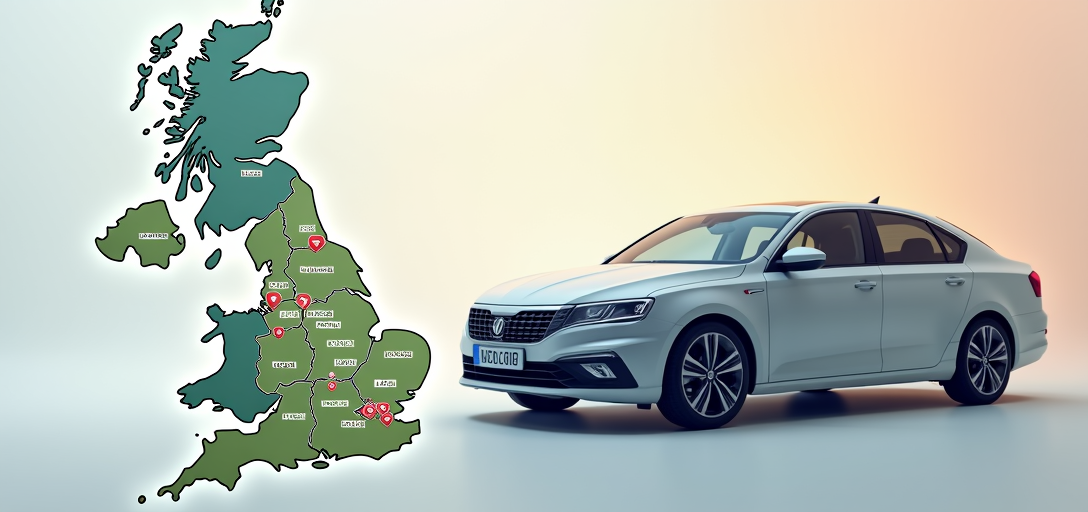
Understanding Car Insurance Rates in the UK
Every car owner knows that car insurance is an essential expense but finding affordable coverage can be a complex task. Insurance rates can differ widely based on several factors, and one of the most significant determinants is your postcode. In the UK, some postcodes have significantly higher car insurance premiums than others. Understanding why this variation exists can help you make informed decisions when seeking coverage.
Factors Influencing Car Insurance Rates
Car insurance in the UK is influenced by a wide range of factors, and while postcode is crucial, it's not the only aspect insurers consider:
- Driver's Age and Experience: Younger and inexperienced drivers often face higher insurance premiums.
- Vehicle Type: Cars with higher market values or those prone to theft or accidents usually cost more to insure.
- Driving History: A clean driving record can help lower insurance costs, while a history of accidents or claims increases them.
- Usage: The way you use your car, whether for personal or business purposes, influences your insurance cost.
Still, the postcode remains a critical aspect. Insurers often collect extensive data on claims by postcode, and areas with higher rates of theft or accidents result in pricier premiums.
Why Do Postcodes Affect Car Insurance?
Insurance is fundamentally about risk assessment. Companies use statistical data to determine the likelihood of a claim being made, and postcodes can provide them with valuable information:
- Theft Rates: Areas with high vehicle theft rates will see correspondingly high insurance premiums.
- Accident Statistics: Postcodes with higher accident rates signal increased risk, resulting in higher insurance costs.
- Vandalism: Incidents of vandalism can also elevate insurance expenses in certain areas.
- Fraudulence: Regions with a high incidence of insurance fraud lead to increased premiums for all residents of that postcode.
To get an idea of these variabilities, consider major urban areas versus rural zones. Cities often show higher risks due to traffic congestion and crime rates, impacting insurance rates substantially.
The Most Expensive Postcodes for Car Insurance in 2026
According to recent data, certain UK postcodes stand out as the costliest for car insurance. For 2026, some examples include:
- Birmingham (B10, B11, B12, B13): Consistently high crime rates and increased traffic density are factors.
- Manchester (M1, M2, M3): These city center postcodes have seen elevated rates of car theft.
- London (SE1, E1, NW1): As a dense urban center, insurers often peg London’s rates at the higher end.
The increased premiums are a reflection of the insurers' assessment of potential risk based on past claims data for these areas. Homeowners in these postcodes would benefit from exploring different strategies to manage their insurance costs.
How to Reduce Car Insurance Costs
Even if you live in one of the more expensive postcodes, there are strategies you can employ to try and reduce your car insurance premiums:
- Security Measures: Installing security systems like steering locks, immobilizers, or tracking systems can lead to discounts.
- Parking Location: Parking your car in a garage or secured parking area rather than on the street can lower premiums.
- Higher Excess: Voluntarily choosing a higher excess can reduce the annual premium, though it means paying more out of pocket in the event of a claim.
- No-Claims Bonus: Maintaining a no-claims history over the years can significantly reduce premiums.
- Shop Around: Comparing quotes from multiple insurers ensures you are getting the best possible rate for your coverage needs.
The Future of Car Insurance in the UK
The landscape of car insurance is continually evolving. As technology advances, insurers are likely to use more real-time driving data to set premiums. The introduction of telematics, which involves using GPS and onboard diagnostics to assess how a vehicle is driven, offers a more personalized approach to car insurance. In 2026, such technologies may become standard practice, providing drivers with an opportunity to influence their premiums through safe driving practices.
Moreover, the rise of electric vehicles and changes in car ownership patterns, such as car-sharing or subscription models, could influence how insurance products are designed and priced. These trends underscore the importance of staying informed and agile as a car insurance consumer.
Conclusion
Car insurance premiums are significantly impacted by your postcode, among other factors. While living in an area with higher premiums can be a financial burden, understanding the reasoning behind it, and taking proactive measures can help you manage costs more effectively. As you navigate the insurance market, stay updated on trends and leverage tools and resources to secure the best possible coverage for your needs.