Reviving Retro: The Surprising Modern Makeover of Whitewall Tires
Discover the exciting resurgence of whitewall tires in modern design and technology. These classics are making a comeback, offering a fresh and innovative look that's nothing like the versions from the past.
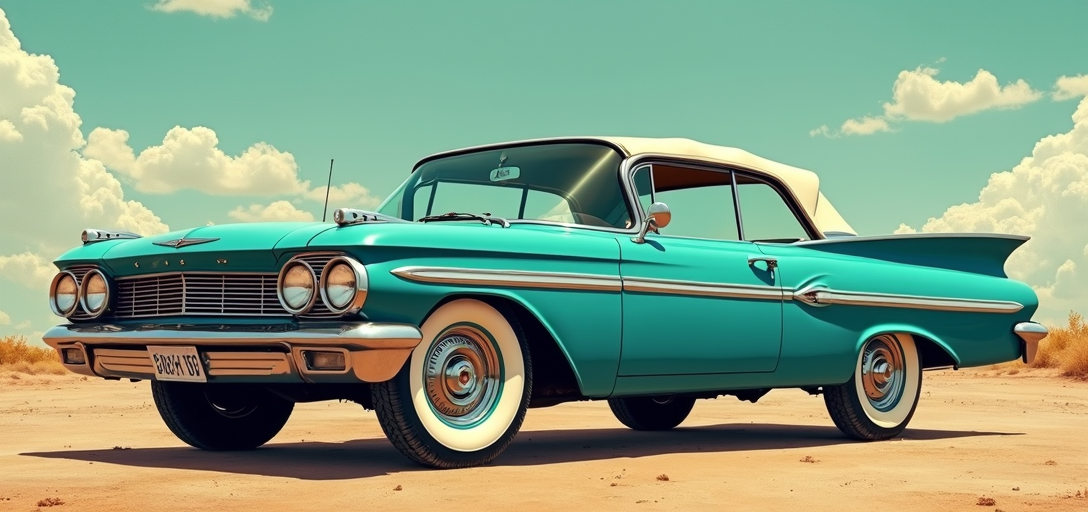
Understanding the Evolution of Whitewall Tires
Whitewall tires have made a surprising comeback in the world of automotive design, but they aren’t your grandfather's classic embellishment. For decades, these iconic tires were associated with vintage cars and a bygone era of automotive luxury. Today, modern iterations of whitewall tires are capturing attention with fresh designs and advanced technologies, making them more than just a stylish throwback.
What Are Whitewall Tires?
Whitewall tires are characterized by their distinctive white stripe or sidewall, a design choice that originally aimed to add a touch of elegance to vehicles. Historically, they were made using natural rubber, which was white before carbon black was added to improve durability and longevity. This resulted in the well-known white sidewalls when rubber was left untreated.
In the 2026 automobile market, whitewall tires have evolved significantly. Manufacturers now use synthetic compounds and advanced manufacturing techniques to enhance performance while retaining the signature aesthetic appeal.
How Whitewall Tires Have Changed
Modern whitewall tires are a crossover between nostalgic design and cutting-edge innovation. Unlike their predecessors, these tires incorporate:
- Enhanced Durability: Utilizing contemporary rubber compositions that withstand wear and tear better, modern whitewalls are built to last longer while maintaining their visuals.
- Improved Performance: With advances in tread patterns and engineering, current whitewall tires offer superior handling, reduced road noise, and improved fuel efficiency.
- Variety in Design: Today’s designs embrace various widths and patterns, allowing a customized look that fits both vintage cars and modern vehicles seamlessly.
These innovations reflect broader changes within the tire industry, driven largely by consumer demands for aesthetics without compromising on performance.
The Popularity Surge in the US Market
In the United States, the resurgence of whitewall tires aligns with a broader revival of retro styles and nostalgia culture. The fashion industry, home décor, and even tech are seeing similar trends. In automotive circles, car restoration projects are increasingly popular, fueling demand for authentic whitewall designs that can complement classic cars.
Consumer Trends and Preferences
Recent studies indicate that car enthusiasts and younger buyers alike are drawn to distinctive vehicle accessorization. According to a 2026 report by Consumer Data Insights, 48% of vehicle buyers aged 25-40 expressed interest in tires that offer a unique aesthetic, such as colored or patterned sidewalls.
The demand is not only limited to restorations but is increasingly becoming mainstream, with manufacturers responding by introducing whitewall options across more brands and models.
Why Choose Modern Whitewall Tires?
For those contemplating the addition of whitewall tires to their vehicles, several factors are driving interest:
Aesthetic Appeal
The visual impact of whitewall tires is undeniable. They add a touch of elegance and nostalgia, setting a vehicle apart with a subtle, yet dramatic statement. This element of differentiation is a significant draw for many consumers seeking a unique look.
Technological Advancements
Current developments in tire technology mean that these tires no longer lag behind others in terms of safety and performance. Enhanced tread designs and construction processes now ensure that these aesthetically pleasing options can also meet the demands of modern driving conditions.
Resale Value
In certain markets, the addition of whitewall tires can enhance the perceived value of a car. Collectors and enthusiasts often equate them with careful attention to detail and a commitment to style, potentially increasing interest if reselling the vehicle.
Considerations Before Making the Switch
While there are many positives, potential buyers should consider certain factors:
Maintenance
Maintaining the pristine look of whitewall tires requires more care than their blackwall counterparts. Routine cleaning and protection from harsh elements are essential to prevent yellowing or damage.
Cost
Generally, whitewall tires may come at a premium compared to standard tires. The production techniques needed to maintain their quality often translate to higher prices, a consideration for budget-conscious buyers.
Conclusion
Whitewall tires are indeed back, but this time, they bring with them a blend of classic charm and modern-day advancements. Their resurgence in the US reflects changing consumer tastes and a broader appreciation for vintage aesthetics infused with contemporary performance. For enthusiasts looking to make a stylish statement, these newly reimagined tires represent a trend worth following.
To explore options further, enthusiasts can visit leading tire providers like Tire Revolution who offer a diverse selection of whitewall tires suitable for various makes and models.