Signs It's Time to Replace Your Garage Door for Safety and Efficiency
Wondering when to replace your garage door? Aging garage doors can cause unexpected issues, and knowing when to upgrade can improve safety and functionality. Explore common signs indicating it's time for a new door, like excessive noise or declining efficiency.
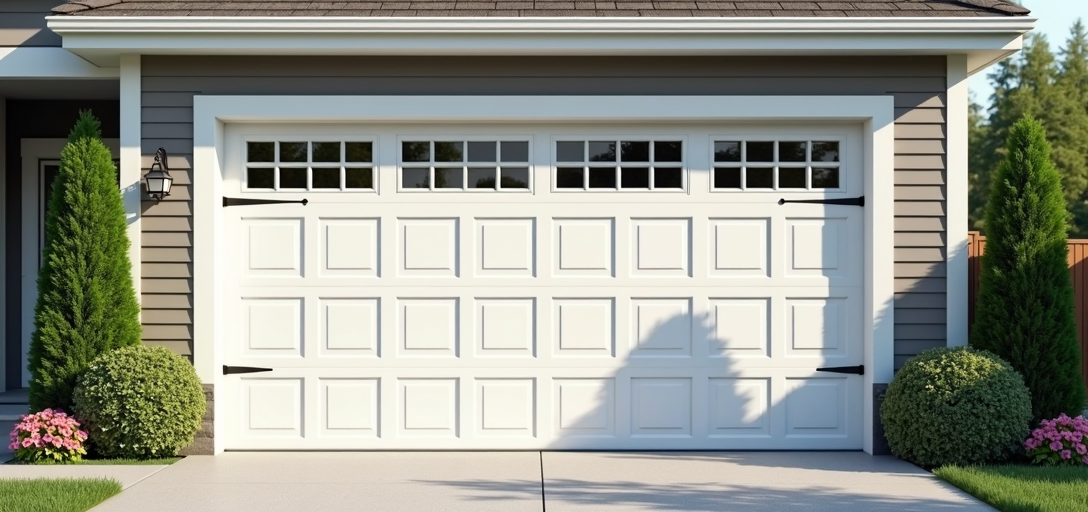
Understanding When to Replace Your Garage Door
Your garage door is an essential component of your home, providing security, curb appeal, and convenience. However, like any part of your home, it won't last forever. Knowing when to replace your garage door can save you money and improve your home's value. This article will explore the signs indicating it's time for a replacement and what considerations you should keep in mind when making this decision.
Signs That Your Garage Door Needs Replacement
Frequent Breakdowns and Repairs
If your garage door requires constant repairs or is frequently malfunctioning, this can be a clear sign that it needs replacing. Garage door systems wear out over time, and continuing to repair an old door can sometimes be more expensive than replacing it with a new one.
Visible Damage
Seeing visible damage such as cracks, warping, or rust can also be an indicator that replacement might be necessary. Such damage may not only be unsightly but can also affect the door’s function and security.
Outdated Technology
Modern garage doors come equipped with the latest safety features, noise-reducing technologies, and smart home compatibility. If your current door lacks these features, upgrading can improve functionality and safety.
Benefits of Replacing Your Garage Door
Improved Security
Security is a top priority for homeowners. Modern garage doors offer better security features such as rolling code technology, which changes the access code each time the remote is used, preventing potential burglars from gaining entry easily. According to a 2026 study by the National Security Council, upgraded garage doors can reduce break-ins by up to 50%[1](https://www.nsc.org/safety-home-security).
Energy Efficiency
Newer models of garage doors offer better insulation, which helps in reducing energy bills by maintaining the temperature of the garage. This is particularly beneficial in regions with extreme weather conditions, as reported by the U.S. Department of Energy in their latest energy efficiency guidelines[2](https://www.energy.gov/energyefficiency2026).
Enhanced Home Value
First impressions matter, and an attractive, functional garage door can boost your home's curb appeal. According to the 2026 Cost vs. Value report published by Remodeling Magazine, homeowners can recoup over 90% of the cost of a new garage door upon resale[3](https://www.remodeling.hw.net/cost-vs-value/2026).
Types of Garage Doors to Consider
Material Choices
- Steel: Durable, low-maintenance, and available in numerous styles and colors.
- Aluminum: Lightweight and resistant to rust, making it ideal for humid environments.
- Wood: Offers a traditional and aesthetic appeal but requires regular maintenance.
- Fiberglass: Offers resistance to dents and corrosion, but can be prone to cracking in extremely cold climates.
Style Options
When upgrading your garage door, the style is an important consideration. You might opt for modern, carriage house, or traditional styles, depending on your home's architecture. Each style offers different design elements, like windows or decorative hardware, allowing you to customize according to your preference.
Cost Considerations
The cost to replace your garage door can vary widely depending on size, materials, and installation requirements. On average, a new garage door in the U.S. can range from $500 to $4,000, including installation fees. It's recommended to get several estimates and weigh the cost against the potential increase in property value and energy savings.
Conclusion
Replacing a garage door can seem daunting, but understanding the timing, benefits, and options can make the process smoother and more rewarding. Whether for improved security, energy efficiency, or aesthetic appeal, a new garage door is a valuable investment in your home. Consider the signs of wear and tear, and when the time is right, choose a door that suits both your practical needs and design preferences.