Simple and Effective Ways to Keep Your House Warm Without Electricity
Keeping a house warm without electricity might seem challenging, but it's entirely possible with a few clever techniques. From utilizing the sun's natural heat to ensuring your home is properly insulated, there are numerous ways to maintain warmth even in the coldest months.
Strategies to Keep Your House Warm Without Electricity
With the increasing focus on sustainability and rising energy costs, many people are exploring how to maintain a warm, cozy home without relying on electricity. Whether it's during a power outage or you're simply trying to reduce your carbon footprint, there are numerous ways to insulate your home and stay warm using natural resources and age-old techniques.
1. Maximize Natural Light and Heat
Taking advantage of the sun’s natural heat is one of the simplest ways to keep your house warm during the day.
- Open Curtains and Blinds: During daylight hours, open curtains and blinds on south-facing windows where the most sun exposure is available, allowing maximum sunlight to enter.
- Use Thermal Curtains at Night: As the sun sets, close your curtains to trap the heat inside. Thermal or heavy curtains can act as an extra layer of insulation.
2. Enhance Insulation
Insulating your home effectively can prevent heat from escaping and keep it warm during cold periods.
- Seal Drafts: Use weather-stripping around doors and windows to block cold air. Door sweeps can be installed at the bottom of the doors to prevent drafts.
- Insulate Doors and Windows: Apply plastic film insulation kits to windows and add draft blockers or thick rugs to the base of doors.
- Proper Roof Insulation: Ensure your attic is properly insulated, as heat rises and can escape through the roof.
3. Utilize Thermal Mass
Using materials that retain heat can be very effective in keeping your home warm naturally.
- Thermal Mass Flooring: Materials like concrete, stone, or brick absorb heat during the day and release it slowly at night.
4. Dress for Warmth Indoors
Dressing appropriately can substantially impact your comfort levels inside your home.
- Layer-Up: Wear several layers of clothing to trap body heat. Wool is particularly effective as it retains heat well.
- Wear Warm Footwear: Thermal socks or slippers can keep your feet warm and reduce the need for heating.
5. Utilize Non-Electric Heating Devices
While reducing reliance on electricity, there are a few low-tech heating solutions:
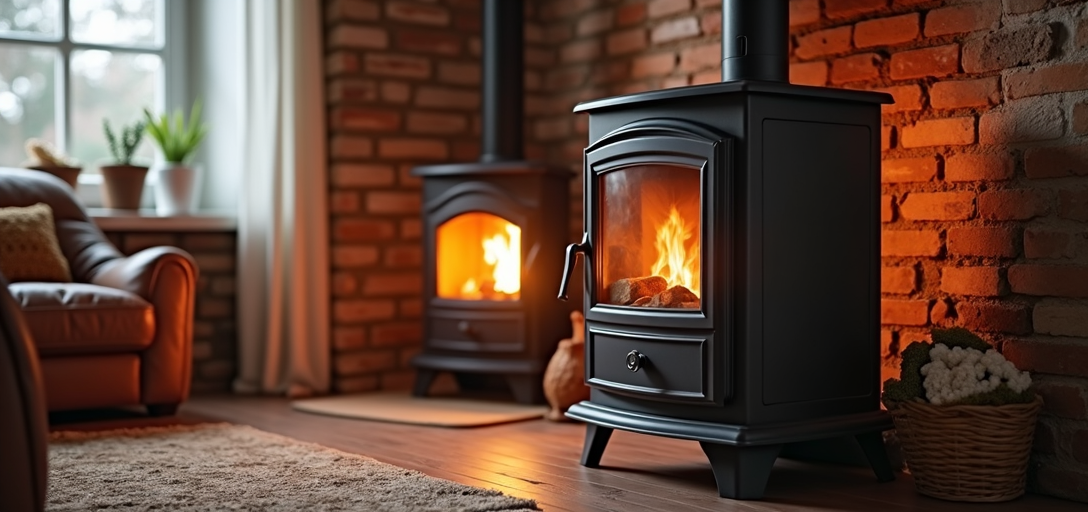
- Wood Stoves: If you have access to wood, a wood-burning stove can be a substantial heat source.
- Portable Kerosene Heaters: In well-ventilated areas, kerosene heaters provide a convenient backup heat source.
- Solar Air Heaters: These systems use solar energy to heat air that circulates into your home.
6. Cook More Meals
Cooking can be a fun and practical way to warm your home as ovens or stoves emit heat.
- Slow Cookers and Oven Use: Cooking meals that require longer cooking times can contribute to a slightly warmer home atmosphere.
Case Studies and Real-World Examples
Several households across the US have experienced significant energy savings through these methods. According to a 2026 report by the U.S. Department of Energy, households that improved insulation and maximized natural sunlight reduced their energy bills by an average of 15% in the winter months. [1]
In Vermont, a community initiative focused on communal wood heating and shared information on insulation techniques reported increased comfort and reduced heating costs even in peak winter periods. Such local solutions and collaborations are pivotal in maximizing efficiency while reducing dependency on electric sources.
Conclusion
By combining these strategies, you can significantly improve your home's warmth without relying on electricity. Not only does this approach offer financial savings, but it also supports a more sustainable lifestyle. In exploring and implementing these methods, you're contributing to a broader effort in energy conservation and adapting to eco-friendly habits that benefit both the environment and your household.