Smart Spending: Simple Home Upgrades That Actually Boost Your Home's Value
Considering smart investments in your property? Finding out what Simple DIY Home Upgrades Offer The Highest Return On Investment? isn't as complex as you might think. This guide explores actionable projects that boost curb appeal and property value.
Understanding Return on Investment (ROI) Beyond Dollars and Cents
Before we dive into the specific projects, it is crucial to redefine what "Return on Investment" means in the context of home renovation. Many people assume that a high ROI simply means a massive increase in resale value. While resale value is a major factor, the highest returns often come from improvements that boost your quality of life, reduce utility costs, and increase the home's overall efficiency. True ROI is a trifecta: financial gain, operational savings, and improved habitability.
The Myth of the "Must-Do" Cosmetic Upgrade
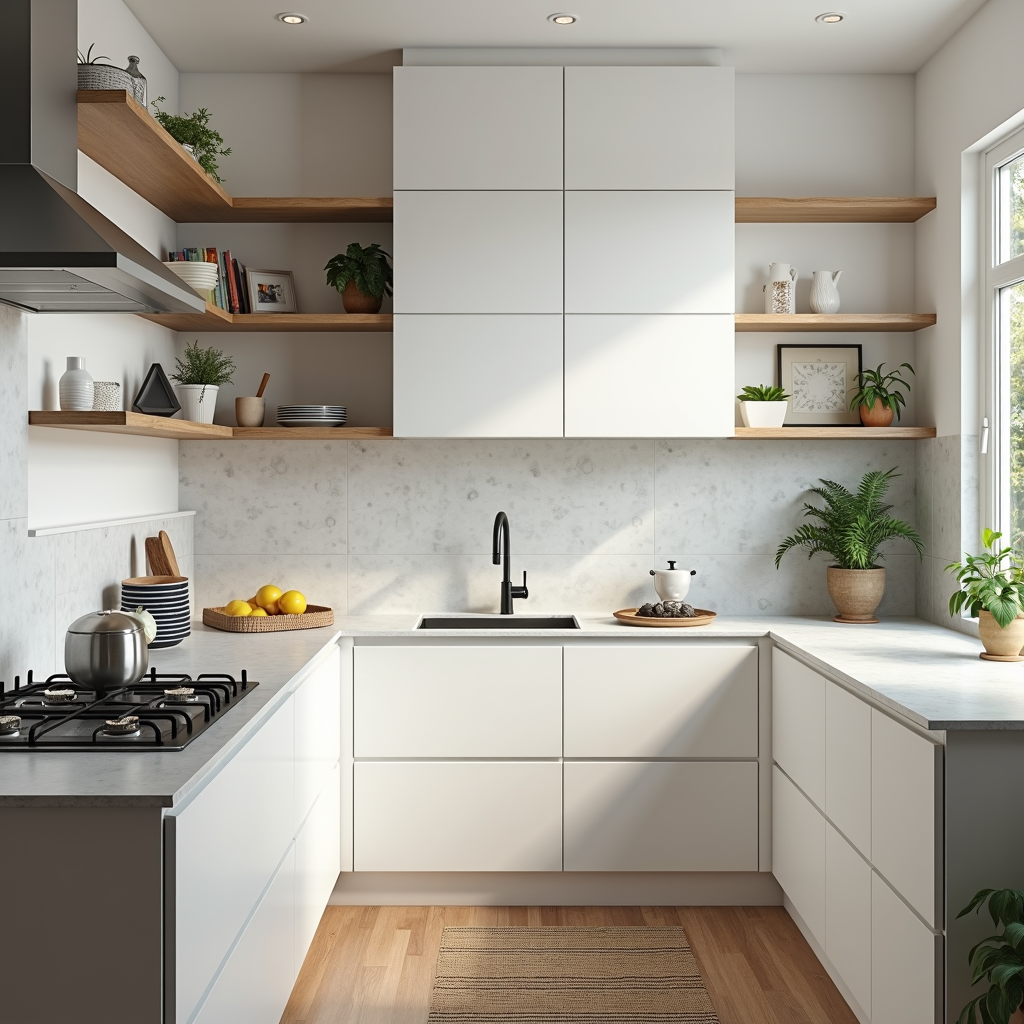
Many renovation guides push highly visible, expensive cosmetic changes—like marble countertops or gourmet kitchens—as being the best investment. While these can certainly increase emotional satisfaction, they often yield diminishing returns on actual resale value, especially when factoring in the stress, cost overruns, and necessary professional labor. The best DIY projects are those that address fundamental building science and systemic inefficiencies. These upgrades often pay for themselves through reduced overhead or improved comfort, which buyers and tenants value immensely.
The Crown Jewels of DIY ROI: Energy Efficiency Upgrades
If you are looking for the single most reliable, measurable, and fastest ROI, your focus must be on the building envelope and mechanical systems. Investing in energy efficiency is not merely an expense; it is an investment that directly decreases your cost of living, hedge against volatile energy markets, and meets increasingly strict environmental standards (such as those anticipated by 2026 energy codes).
Insulation and Air Sealing: The Low-Hanging Fruit
This is arguably the most overlooked yet most impactful upgrade. You can have brand-new windows and fixtures, but if the air is leaking through gaps in the foundation, around electrical outlets, or between wall studs, all the money spent on other upgrades is wasted. DIY air sealing—using caulk, spray foam, and weather stripping—combined with proper attic insulation (targeting the recommended R-value for your climate zone) provides an instant, measurable boost in home performance.
- DIY Focus: Air sealing is highly manageable for skilled DIYers.
- Estimated ROI: Excellent. A comprehensive air sealing effort can reduce heating and cooling costs by 10-20%, providing immediate cash flow savings.
- Expert Tip: Consider hiring a professional to perform a blower door test. This diagnostic test will pinpoint exactly where your home is leaking, making your DIY efforts hyper-efficient.
Windows, Doors, and HVAC System Optimization
While replacing all your windows can be costly, there are targeted DIY fixes you can employ. Ensure all existing windows and doors have high-quality weather stripping and caulking. For the HVAC system, if the unit itself is nearing the end of its lifespan (the lifespan of most units is 15-20 years), this should be top of the list. Beyond replacement, optimizing efficiency involves:
- Smart Thermostats: Devices like ecobee or Nest allow for granular temperature scheduling based on occupancy. They learn your habits and automatically adjust the climate control, often leading to 10-15% energy savings.
- Ductwork Inspection: If your ducts run through unconditioned spaces (like an attic), leaky or poorly insulated ducts can lose significant amounts of conditioned air. Sealing and insulating these ducts is a critical, high-impact DIY project.
Improving Functionality and Aesthetics: The High-Impact Zone
Once the foundational systems are addressed, you can move into upgrades that focus on daily usability and visual appeal. These projects should be balanced: aiming for high perceived value with manageable DIY complexity.
Bathroom & Kitchen Fixtures: The "Low-Hanging Hardware" Fixes
Instead of undertaking a full, structural gut renovation, focus on surface-level, high-impact changes. These projects provide a significant aesthetic uplift while remaining manageable for a determined homeowner.
- Hardware Swap: Changing cabinet pulls, towel bars, and faucet fixtures can make an entire room feel brand new for the cost of a few hundred dollars. This is perhaps the easiest, highest-ROI DIY project available.
- Paint and Trim: Professional-grade painting is a non-negotiable investment. However, DIY painting can be spectacular. Focus on proper prep work—sanding, priming, and patching—as much as the paint itself.
- Backsplash and Tiling: Small, defined areas like kitchen backsplashes or bathroom shower accents can receive a modern, stylish facelift using peel-and-stick or simple substrate tiling.
Smart Home Technology for Seamless Living
The integration of smart technology has become a major factor in modern buyer desirability. These systems offer a high functional ROI because they improve security, convenience, and efficiency simultaneously.
- Smart Lighting Systems: Installing smart bulbs or switches allows you to control lighting by zone, or even automate it entirely based on movement or time. This is excellent for both ambiance and energy savings.
- Water Leak Detectors: Installing small, battery-powered leak detectors near washing machines or water heaters is a profoundly valuable safety and financial upgrade. Preventing a single major water leak can save tens of thousands of dollars in structural damage.
- Security Cameras and Smart Locks: These upgrades enhance safety, which is a major concern for buyers, and are often easily installed with minimal electrical work.
The Financial Strategy: Prioritizing Your Upgrades
How do you know where to start? A structured approach minimizes wasted effort and maximizes the return.
The 80/20 Rule of Renovation
Adopt the 80/20 rule: focus 80% of your initial effort and budget on the 20% of the home that is failing or draining the most resources. If your utility bills are high, the 20% is the building envelope. If your safety is concerned, the 20% is leak detection and structural integrity. If the home feels dated, the 20% is the hardware and fixtures.
Assessing Potential Tax Credits and Rebates
Never forget to check for local, state, or federal incentives. Governments are actively incentivizing energy efficiency improvements (especially targeting climate resilience). Research programs offering tax credits or rebates for insulation, high-efficiency HVAC units, or solar panel installation. Checking the Department of Energy (DOE) or your local utility provider’s website is the best place to start.
Budgeting for the Unforeseen: The 15% Buffer
No DIY project, especially one in an older home, goes smoothly. Allocate a minimum of 15-20% of your total budget as a contingency fund. This buffer is for structural surprises—a pop of asbestos, unexpected wiring issues, or finding that a wall needs more patching than anticipated. Ignoring this step is the fastest way to blowing the entire budget.
In conclusion, the highest ROI upgrades are holistic. They involve a strategic blend of:
- Energy Efficiency: Addressing fundamental leaks and poor insulation.
- Safety and Functionality: Implementing smart technology and mitigating risks (water, fire).
- High-Impact Cosmetics: Using paint, hardware, and fixtures to drastically improve curb appeal and daily usability without the expense of a complete gut renovation.
By focusing on these underlying principles, your efforts will yield a property that is not only more beautiful but fundamentally more valuable and sustainable in the long term. Trust your gut instinct, but always back it up with performance data and expert consultation.