Smart Tips for Disabled Veterans: How to Navigate Car Insurance Options Effectively
When choosing car insurance, disabled veterans should compare coverage options, discounts, and provider reputations to find the best fit for their needs. Different insurers offer various perks, so understanding these can make a significant difference.
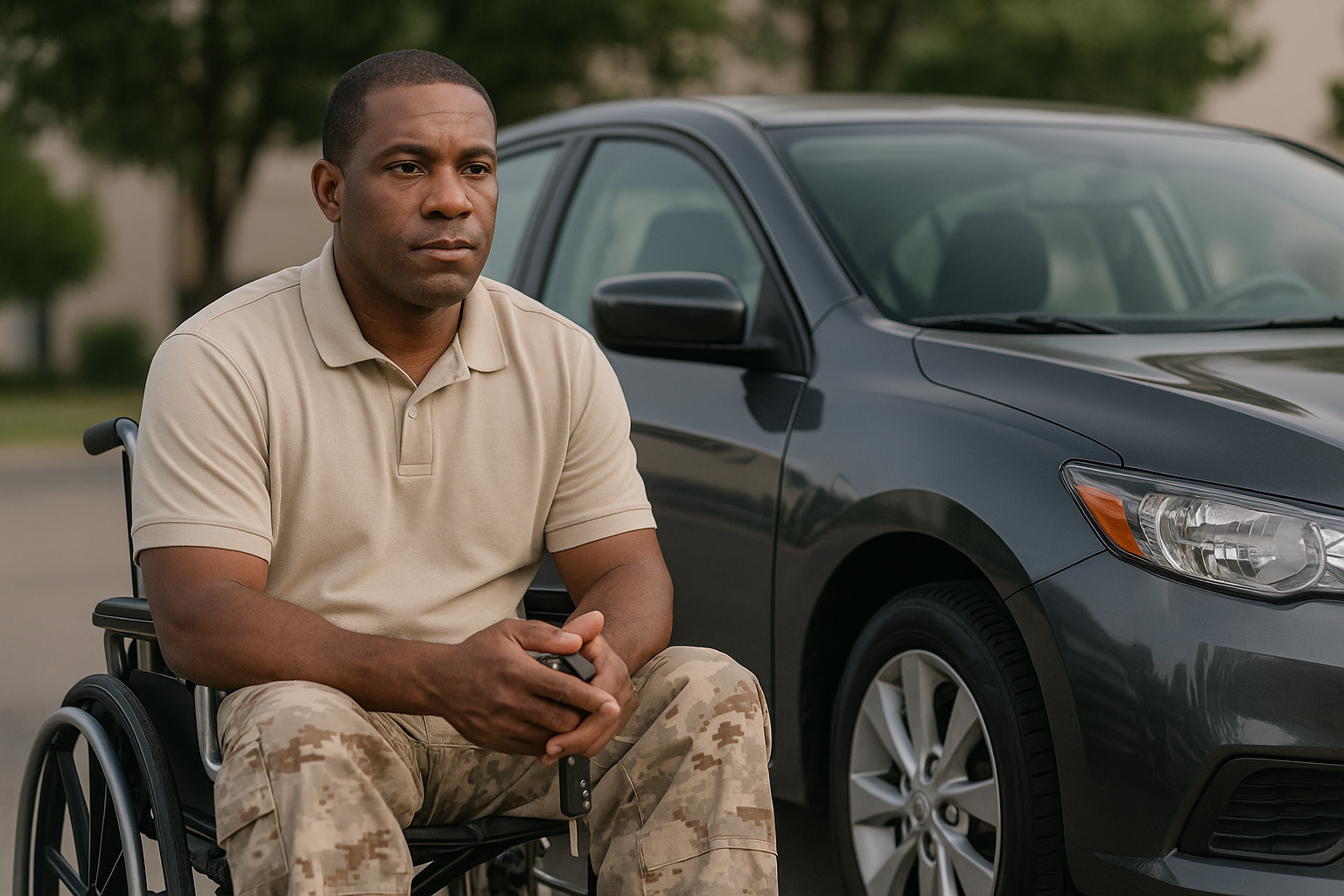
Understanding Car Insurance Needs for Disabled Veterans
Choosing the right car insurance is crucial, especially for disabled veterans who may have unique circumstances compared to the general population. Understanding what factors to consider can significantly affect both the cost and the quality of coverage received. This guide delves into essential aspects disabled veterans should weigh before finalizing their car insurance choice.
Assessing Individual Needs
Disabled veterans should first evaluate their specific needs and circumstances. Coverage requirements can vary widely based on factors like the extent of mobility issues, the use of adaptive vehicles, and health-related accommodations.
- Mobility and Medical Considerations: If you require special vehicle modifications, ensure your insurance policy covers these adaptations. Some companies offer policies specifically tailored to accommodate adaptive equipment.
- Driving Frequency: The amount you drive might influence your insurance needs. Veterans using their vehicles sporadically might benefit from mileage-based insurance options.
Comparing Coverage Options
Disabled veterans should compare different types of coverage, including liability, comprehensive, collision, and uninsured motorist coverage. Understanding these options helps in selecting a policy that fully protects them without unnecessary expenses.
- Liability Coverage: Covers damage you might cause to another person’s property or vehicle. Ensure the limits are sufficient to protect your financial assets.
- Comprehensive and Collision Coverage: These policies cover damage to your vehicle from accidents or non-covered incidents like theft or natural disasters, respectively. Veterans should assess the potential risks and their financial impacts.
Cost Considerations
Insurance costs can be a significant concern, particularly for veterans on fixed incomes. Evaluating premiums, deductibles, and potential discounts can help reduce expenses without sacrificing coverage quality.
- Premiums vs. Deductibles: Understand the trade-off between monthly premium costs and deductibles. A higher deductible might lower the premium but could be costly during claims.
- Discount Opportunities: Some insurers offer discounts specifically for veterans or those with disabilities. Additionally, looking for safe driver discounts or bundling discounts can further reduce costs.
Researching Insurer Credibility
Selecting the right insurer involves more than just finding the best price. The reliability and reputation of an insurer can impact the claim process and overall satisfaction with the service.
- User Reviews and Ratings: Explore reviews and ratings from other customers to gauge an insurer's claim process efficiency and customer service.
- Financial Stability Ratings: Checking the financial health of an insurance company through ratings from agencies like A.M. Best or Moody’s helps ensure they can meet future claims obligations.
Utilizing Available Resources and Assistance
Many veterans' organizations provide resources and assistance to help in the decision-making process. Leverage both government and non-profit organizations dedicated to veterans' welfare for advice and potential financial assistance.
- Veterans Affairs (VA): The VA offers various forms of support and might assist in finding veterans-friendly insurance policies.
- Non-Profit Organizations: Groups like Disabled American Veterans (DAV) can provide advice and advocate for veteran-specific insurance needs.
Legal and Regulatory Considerations
Being informed about legal nuances and state regulations can influence your car insurance choice. Some states offer special provisions or protections for disabled veteran drivers.
- State Mandates on Coverage: Check if your state offers specific laws or protections for disabled veterans concerning auto insurance.
- Federal Protections: Explore federal protections that might impact your insurance choices, particularly those relating to disability rights and veterans.
Conclusion
The process of choosing the right car insurance as a disabled veteran involves multiple layers of decision-making, from understanding personal needs to evaluating insurer credibility and potential costs. By conducting thorough research, leveraging available resources, and staying informed about insurance and legal considerations, veterans can secure a policy that best suits their circumstances, providing peace of mind and financial security.