Spot the Early Warning Signs Your Roof Needs Replacing
Wondering if your roof needs replacing? Knowing the signs that a roof needs replacement can save you time and money. From missing shingles to persistent leaks, these indicators are crucial to address.
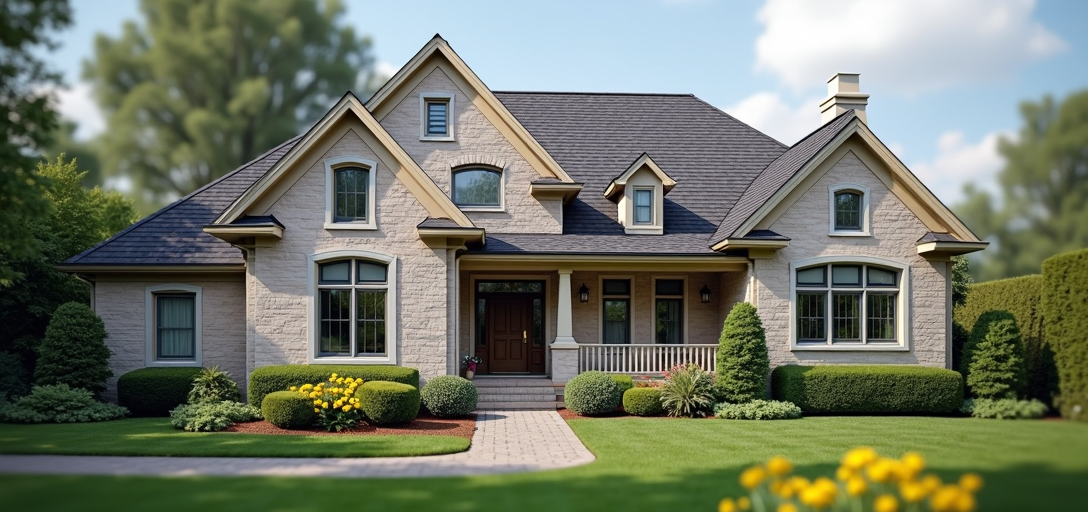
Understanding When a Roof Needs Replacement
The roof over your head is a vital component of your home's structure and safety. Determining when it’s time to replace this essential part can save you from costly repairs and significant damage. Many homeowners ask the question, "What are the signs that a roof needs replacement?" Knowing these signs not only helps in maintaining the health of your home but also preserves its value.
Key Signs Your Roof Needs Replacement
Identifying the signs of a deteriorating roof can make a difference between a simple repair and a complete replacement. Below are some crucial indicators that you might need a new roof.
- Age of the Roof: Most asphalt shingle roofs last between 20 to 25 years. If your roof is approaching or has surpassed this age, it is likely time to consider a replacement. Experts from the National Roofing Contractors Association recommend regular inspections for older roofs to catch problems early.
- Shingle Damage: Look for curling, cracking, or missing shingles. Such damage often means the shingles are past their prime and your roof is in need of an upgrade.
- Visible Sagging: Sagging indicates a structural problem that might lead to roof collapse. This is often caused by water damage or other factors compromising its structural integrity.
- Granules in Gutters: As shingles age, they begin to shed granules which can accumulate in gutters. Finding a large amount in the gutters can mean the shingles are deteriorating.
- Leaking or Water Damage: Check for water stains on ceilings, walls, or interior leaks. These can indicate serious issues with the roofing material or flashing.
Long-term Effects of Ignoring Roof Problems
Neglecting the signs of roof wear can lead to costly repairs and even pose safety risks. Continued exposure to water damage can result in mold growth in attics and damage to insulation and wood structures. According to a 2026 study by HomeAdvisor, homeowners in humid states like Florida see an 18% increase in repair costs due to delayed roof replacements.
Factors Influencing Roof Lifespan
Not all roofs are created equal, and several factors can influence the lifespan of your rooftop:
- Material Type: Metal roofs can last upwards of 50 years, while asphalt shingles typically last around 20 years.
- Weather Conditions: Harsh climates with heavy snowfall, rain, or winds can accelerate wear and tear on roofing materials.
- Installation Quality: Poor installation can lead to premature aging and roofing failures. Always hire certified professionals for installation and repairs.
- Roof Pitch: Flat roofs often require more frequent maintenance and replacement than sloped roofs due to water drainage issues.
Budgeting and Planning for Roof Replacement
A roof replacement may seem like a daunting financial commitment, but with proper planning, it becomes manageable. Here are some strategies to help finance this essential home maintenance:
- Estimate Costs: Utilize tools like the 2026 Roofing Calculator by the United States Department of Housing, which provides detailed cost estimates based on materials, labor, and location.
- Roofing Material Loans: Some companies offer loans specifically designed for home improvement projects, including roof replacements.
- Insurance Policy: Check if your homeowner’s insurance covers damage from weather-related events requiring roof work.
Choosing the Right Roofing Contractor
Selecting a reputable roofing contractor is crucial for ensuring a successful roof replacement. Consider these tips:
- Research and Reviews: Read reviews, ask for references, and check the contractor's history of successful projects.
- Licensing and Insurance: Confirm that your contractor has the necessary licensing and insurance as mandated by laws in the U.S.
- Detailed Contracts: Get a detailed contract that outlines the scope of the project, timeline, pricing, and warranty terms.
Conclusion
Being aware of the signs that a roof needs replacement and understanding the steps involved in planning for a new roof can save you money and protect your home investment. Regular maintenance and inspections by professionals can extend the life of your roof and prevent unexpected issues that may lead to a full replacement.
For more information on roofing and home improvements, visit resources such as the Better Business Bureau and the National Roofing Contractors Association.