Step Back in Time: Explore the Authentic Charm of a 1900s Wedding Reception
Discover the fascinating details of a 1900s wedding reception through authentic photographs and firsthand accounts. This sneak peek into history reveals the timeless elegance and unique customs of the era.
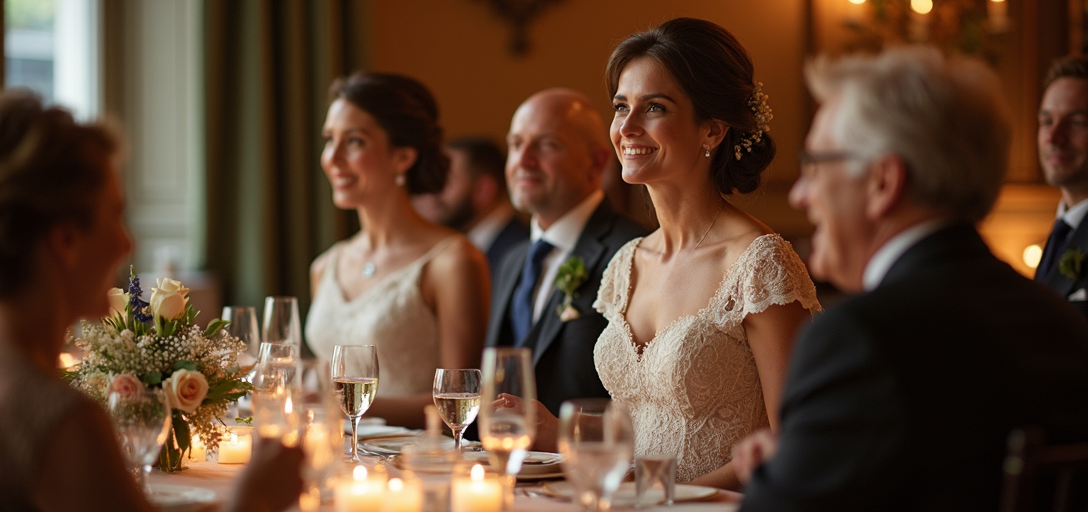
The 1900s Wedding Reception: A Glimpse Into the Past
Weddings in the 1900s were a social and cultural event that often mirrored the unique traditions and values of the time. Unlike today's lavish and sometimes opulent affairs, 1900s wedding receptions were characterized by simplicity and a focus on family and community. This article will provide a detailed look at how wedding receptions in the 1900s in the United States were conducted, offering insights into the customs, attire, and notable features of these historical celebrations.
Key Features of 1900s Wedding Receptions
In the 1900s, wedding receptions were generally more understated and centered around close family and friends. Here are some of the defining features of these gatherings:
- Venue: Most receptions took place at the bride or groom's family home or a church hall. Outdoor venues, such as gardens, were preferred during warmer months.
- Guest List: Attendance was usually limited to family and a few close friends, reflecting a more intimate affair than many modern weddings.
- Meals and Refreshments: The menu consisted largely of homemade dishes. Depending on the family's culture and region, this could include dishes like roast beef, chicken, potatoes, and seasonal vegetables.
- Music and Entertainment: Traditional and folk music played a key role. Guests often enjoyed live bands playing classical or popular tunes of the era.
Wedding Attire and Fashion
Fashion in the 1900s was as much about practicality as it was about style, especially for wedding attire. Here’s a closer look at what was typically worn:
- For Brides: Dresses were often high-necked and long-sleeved, made of silk or satin. Lace detailing was common, and although white was the favored color for those who could afford it, pastel hues were also popular.
- For Grooms: Men wore morning coats, tails, or frock coats. Tailored suits in darker colors were preferred, paired with a vest, high-collared shirts, and cravats or ties.
- For Guests: Guests often dressed in their Sunday best, meaning formal attire that was appropriate for a religious service.
Customs and Traditions
Various customs and traditions defined 1900s wedding receptions, some of which have persisted through the years while others have evolved. Key customs included:
- The Wedding Cake: As a symbol of prosperity and good fortune, the wedding cake was often multi-tiered and elaborately decorated with sugar flowers and figurines.
- Bouquet and Garter Toss: These traditions were popular even back then, representing good luck for those who caught them.
- Gift-Giving: Guests often brought handmade gifts or practical items to help the couple establish their new home.
How Socio-Economic Factors Influenced Weddings
The turn of the 20th century was a period marked by change with the industrial revolution, which greatly influenced wedding customs and styles.
Economic Status: Wealthier families could afford more luxurious materials for clothing and decorations, whereas working-class families focused on essentials.
Industrial Influence: By the 1900s, mass production made certain goods more accessible, allowing for more standardization in wedding attire and accessories.
Comparisons with Modern Weddings
In comparing 1900s weddings to those of the present day, one can note numerous changes as well as some enduring traditions.
Scale and Expense: Modern weddings can often be grander in both scale and cost, reflecting changes in societal attitudes and the growing wedding industry.
Technology: While 1900s weddings might have included a few photographs, today’s celebrations often involve professional videography and photography.
Inclusivity of Traditions: Many modern couples choose to incorporate a variety of cultural and personal traditions into their weddings, making them uniquely tailored events.
Conclusion: The Enduring Legacy of 1900s Weddings
While the specifics of wedding receptions have shifted considerably since the 1900s, the core intent—celebrating love and unity among family and friends—remains unchanged. This historical insight into 1900s weddings not only helps us appreciate the traditions of the past but can also inspire couples to incorporate their rich history into their own unique celebrations today.
For more in-depth information, resources such as the PBS on the History of American Weddings or historical archives from places like the Smithsonian Institution can provide broader perspectives on this significant societal custom.