Step-by-Step Guide to Accessing Electric Bill Assistance Programs in the USA
Navigating the process to apply for electric bill hardship funds in the USA can open relief options tailored for your needs. Discover available programs offering financial assistance to reduce electricity costs.
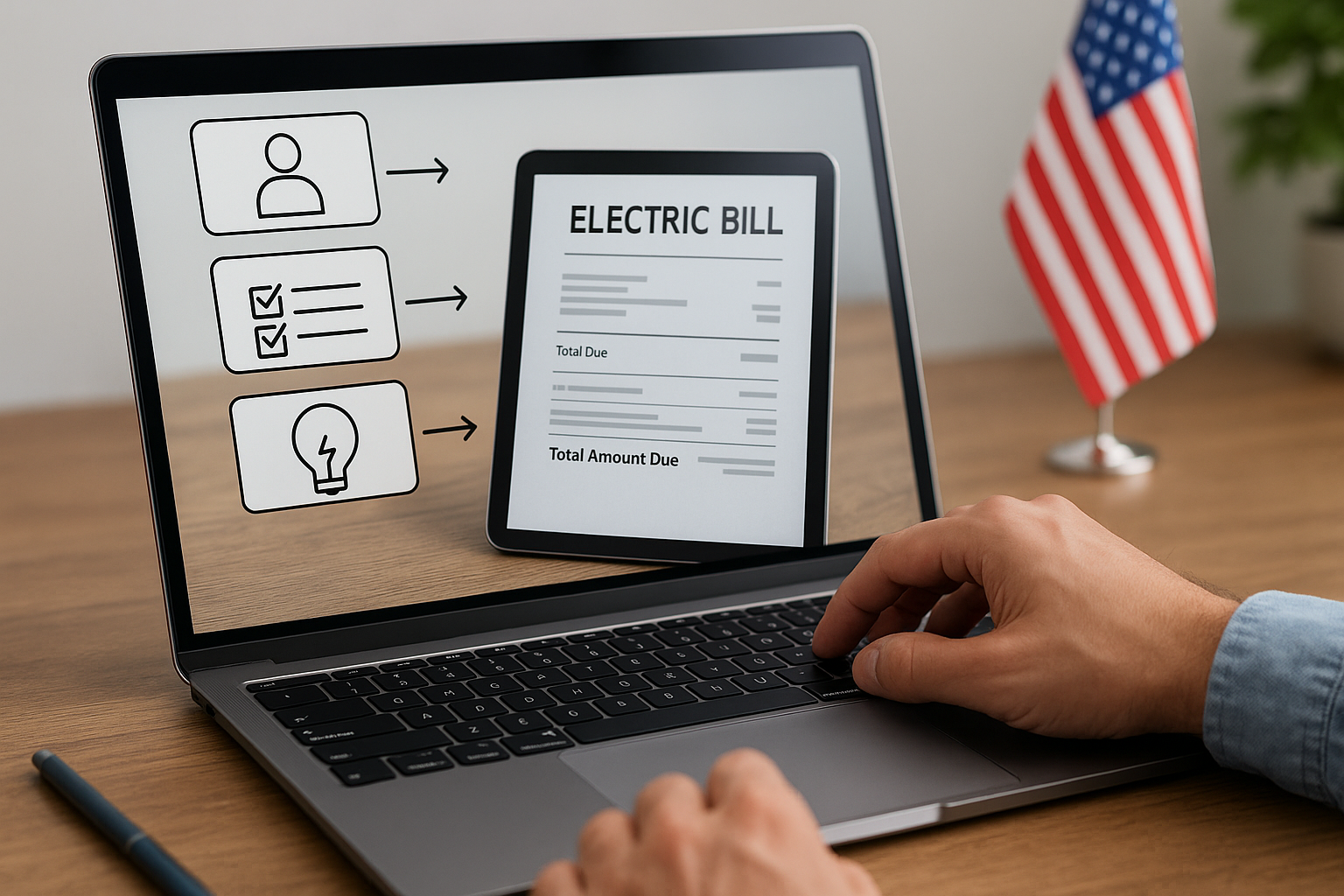
Understanding Electric Bill Hardship Funds in the USA
In today's challenging economic climate, paying utility bills can be a significant burden for some families. Electric bill hardship funds provide a crucial lifeline for households facing financial difficulties. These programs are designed to assist individuals and families who are struggling to keep up with their energy expenses due to financial hardship. In this comprehensive guide, we will explore how you can apply for electric bill hardship funds in the USA, who qualifies, and where to find additional resources.
What Are Electric Bill Hardship Funds?
Electric bill hardship funds are essentially assistance programs offered by various state governments, utility companies, and nonprofit organizations to help eligible households pay their electricity bills during times of financial difficulty. They are typically targeted at low-income families, seniors, and individuals experiencing a temporary income disruption.
Who Is Eligible for Assistance?
Eligibility criteria for these funds can vary significantly depending on the state, utility company, or organization administering the program. Generally, families must demonstrate financial need, often based on household income relative to the federal poverty line, family size, or specific hardship situations. To determine your eligibility, you may need to provide documentation such as household income statements, recent electric bills, or proof of a qualifying hardship event like unemployment or medical emergencies.
How to Apply for Electric Bill Hardship Funds
The application process for electric bill hardship funds can differ from one program to another. Here is a general step-by-step guide to help you navigate the process:
- Research Programs: Start by identifying programs available in your state or through your utility provider. Websites like LIHEAP Clearinghouse can be a useful starting point.
- Gather Required Documentation: Collect necessary documents, which might include recent pay stubs, tax returns, identification, and your last few electric bill statements.
- Contact Your Utility Company: Reach out to your utility provider to inquire about any in-house hardship programs or assistance they offer.
- Submit an Application: Complete and submit an application form as per the program’s instructions. This may be online, via mail, or in person.
- Follow Up: Keep track of your application status and follow up if there are delays in response times.
State-Specific Assistance Programs
Many states offer specific programs to assist residents facing hardships. For instance:
- California: The California Alternative Rates for Energy (CARE) program can provide discounts and payment arrangements.
- New York: The Home Energy Assistance Program (HEAP) offers financial aid and crisis assistance.
- Texas: The Texas Comprehensive Energy Assistance Program can help reduce utility costs through direct financial assistance.
Additional Resources and Support
If you’re still struggling with electricity bills even after applying for these funds, consider reaching out to local community organizations or nonprofits. Organizations like the Salvation Army or United Way often have emergency grants available. Additionally, energy efficiency initiatives through programs like Weatherization Assistance Programs (WAP) can help lower your overall energy consumption and bills. According to a 2026 EERE report, homes receiving improvements under WAP can see energy bill reductions of approximately 30%.
Real-World Examples of Assistance Impact
A recent case study from the National Energy Assistance Directors Association (NEADA) highlighted a family of four in Ohio that benefited significantly from state assistance programs. After the primary breadwinner lost their job, the Low Income Home Energy Assistance Program (LIHEAP) helped cover winter heating costs, allowing the family to avoid energy shutoffs while they got back on their feet.
Conclusion
Navigating financial hardships can be stressful, but electric bill hardship funds are designed to provide a safety net to those in need. By understanding the application process, eligibility criteria, and available resources, qualifying applicants can receive the support they need to manage their energy bills effectively. Remember, it's always beneficial to act promptly and to reach out to relevant programs for which you might qualify.