Step-by-Step Guide to Starting a High-yield Organic Vegetable Garden in Your Small Backyard
Looking to transform your small backyard into a vibrant oasis of organic produce? Starting a highyield organic vegetable garden is possible even in limited spaces, and we've got the tips to guide you. Discover the secrets of soil, sunlight, and smart crop selection to optimize your garden's output.
Why Start a High-yield Organic Vegetable Garden?
Starting a high-yield organic vegetable garden in your small backyard can be a rewarding venture for several reasons. It offers a sustainable way to consume fresh produce, reduces grocery bills, and promotes healthy eating habits. Organic gardening also plays a significant role in environmental conservation by avoiding harmful pesticides and enhancing soil biodiversity.
Recent statistics from the 2026 Organic Trade Association report a 9% increase in the demand for organic produce, indicating a growing interest in organic gardening among homeowners (source: Organic Trade Association 2026 Report).
Planning Your High-yield Organic Vegetable Garden
How to Choose the Right Location
The first step in planning your organic vegetable garden is selecting an appropriate location. Vegetables need ample sunlight, good soil, and proper drainage to thrive. Ideally, your garden should get at least 6-8 hours of direct sunlight daily. Consider installing raised beds or container gardens if your backyard has poor soil or is prone to waterlogging.
Deciding What to Grow
Selecting what vegetables to plant depends on your personal preferences, nutritional needs, and local climate. For high yields in a small space, consider vegetables that grow vertically, such as tomatoes, cucumbers, and pole beans. You can also opt for fast-growing crops like lettuce or radishes, which can multiply your harvests with successive plantings throughout the growing season.
Preparing Your Garden Bed
Soil Preparation and Testing
To achieve a productive organic garden, it's crucial to have healthy, nutrient-rich soil. Start by conducting a soil test to check pH levels and nutrient content. You can acquire soil test kits at garden centers or through local cooperative extension services. Amend your soil based on the recommendations from your soil test, using organic material such as compost, well-rotted manure, or vermiculite for aeration and fertility.
Constructing Your Garden Bed
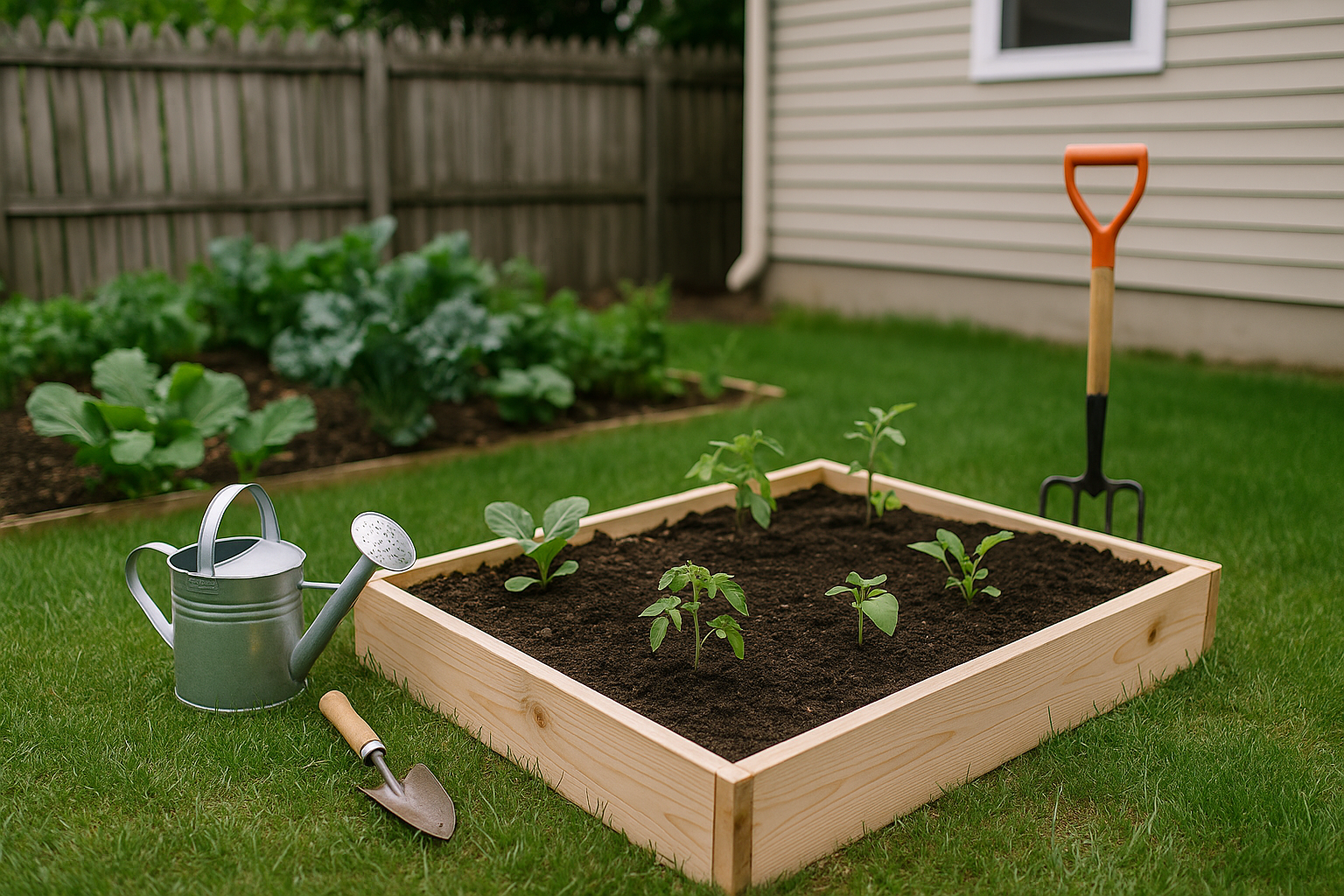
For a high-yield setup, construct raised beds, which help improve soil drainage and provide easier access for planting and maintenance. Choose untreated wood or other non-toxic materials to build the frames. Fill these beds with layers of organic matter, akin to the "lasagna gardening" technique, which enriches the soil over time by decomposing natural materials.
Planting and Growing Techniques
Companion Planting
Companion planting is essential for maximizing the productivity of your small garden. This involves growing plants together that can mutually benefit each other. For example, basil planted with tomatoes can repel insect pests. In contrast, marigolds can deter nematodes and attract beneficial insects like bees and butterflies, which aid in pollination.
Vertical Gardening
Utilize vertical gardening techniques to maximize space, especially important in small backyards. By growing vining crops like peas, beans, and squashes vertically, you can significantly increase your planting area. Trellises, stakes, and cages are effective tools to support these climbing plants and facilitate vertical growth.
Maintenance and Upkeep
Watering Tips
Consistent watering is critical to your garden's success. Implement a drip irrigation system to provide even moisture and reduce water wastage. Water early in the morning to minimize evaporation, and apply mulch to retain soil moisture and prevent weed growth.
Pest and Disease Management
Maintaining an organic garden requires vigilance against pests and diseases. Adopt an integrated pest management strategy, which includes monitoring plants, utilizing insectary plants to attract beneficial insects, and applying organic solutions like neem oil when necessary. Regularly inspect your plants for signs of disease and remove affected foliage promptly to prevent the spread.
Harvesting and Sustainability
When and How to Harvest
Knowing the right time to harvest is vital for enjoying the flavors and nutritional value of your homegrown vegetables. Each vegetable has unique harvest indicators; for instance, carrots should be firm and brightly colored, while cucumbers are best picked when firm and dark green. Harvest regularly to encourage more production and prevent overripe vegetables from sapping plant energy.
Practicing Sustainability
Maintaining a sustainable organic garden extends beyond the growing season. Practice crop rotation to prevent soil nutrient depletion and reduce pest buildup. Save seeds from your healthiest plants to replant next season, enhancing genetic diversity and adaptations to your local environment. Additionally, composting food scraps and garden waste can provide a continual source of organic matter to replenish your garden beds.
Conclusion: Embrace the Organic Gardening Journey
Starting a high-yield organic vegetable garden in a small backyard is a practical and fulfilling endeavor. By carefully planning your garden layout, selecting the right crops, and employing sustainable gardening practices, you can enjoy a bountiful harvest that supports your family's health and contributes positively to the environment. For further information and tips, explore resources like the Rodale Institute and Garden Organic, which provide comprehensive guidance on sustainable agriculture practices.