The 10 Most Beautiful Wedding Destinations in the USA to Say I Do
Planning the perfect day? Discover the allure of these top 10 wedding destinations in the USA. Choosing the ideal location adds magic to your celebration, setting a beautiful scene for memories to be made. From rustic charm to luxurious resorts, each spot offers unique backdrops for your big day.
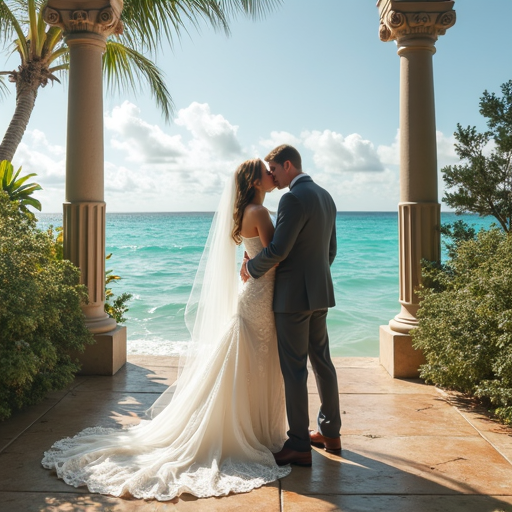
Beyond the List: How to Choose Your Perfect US Wedding Destination
Seeing a list of "Top 10" destinations can be inspiring, but it can also be overwhelming. What truly makes a destination wedding perfect is not merely the location, but how that location aligns with your unique vision, budget, and guest experience. A destination wedding in the American USA can range from a historic ballroom in Savannah to a rustic micro-farm celebration in Montana. To help narrow down the choices beyond the initial list, we’ve compiled a deep dive into the factors you must consider before booking anything.
Understanding the True Scope of a "Destination" Wedding
When we talk about a destination wedding within the US, we are generally referring to a location that is outside the primary geographic area of one or both partners. However, the logistical challenges, budget, and overall vibe remain the core planning elements, regardless of how many miles away the venue is.
Before looking at geography, ask yourselves these three critical questions:
- What is the desired guest experience? Do you want your guests to feel like they are on an extravagant trip, or do you want the celebration to feel intimate and effortless?
- What is the seasonal impact? Is this date susceptible to hurricanes, snowstorms, or extreme heat?
- What is your absolute budget cap? Destination venues, particularly those with mandatory resort packages, can dramatically increase costs associated with accommodations and catering.
The Four Pillars of Destination Wedding Experiences
Rather than thinking of destinations by state name, it is more helpful to categorize them by the *experience* they offer. This helps align the location with your desired aesthetic and level of effort.
🌴 Tropical Beach Destinations (The Relaxed Vibe)
These destinations—like parts of Florida, coastal California, or Hawaii—are characterized by white sand, lush greenery, and a generally laid-back atmosphere. The appeal here is the ease of transition; guests arrive and immediately feel like they are on a vacation, which translates into a relaxed wedding timeline.
- Pros: Stunning backdrops, beautiful weather (seasonal variation aside), natural resort infrastructure.
- Cons: High demand during peak seasons; can feel highly structured or resort-dominated; requires careful vendor management to ensure the ceremony feels personal, not corporate.
🏔️ Mountain & Wilderness Destinations (The Intimate & Dramatic Vibe)
Think of locations like Aspen, Asheville, or parts of Colorado. These venues capitalize on dramatic natural beauty, often featuring historic lodges or mountain views. These settings lend themselves incredibly well to highly personalized, elegant, and intimate ceremonies.
The seasonality here is critical. Spring and Fall often provide the most predictable and beautiful weather. Summer can bring unpredictable thunderstorms, and winter requires robust planning for cold-weather attire and logistics.
🏙️ Historic Urban Destinations (The Chic & Cultural Vibe)
Cities like Charleston, Savannah, or New Orleans offer a blend of historic grandeur and modern luxury. The wedding elements are often set within historic squares, waterfront districts, or grand old ballrooms. This style is excellent for couples who love culture, history, and sophisticated dining.
Key Consideration: Urban weddings typically require meticulous vendor coordination. While the scenery is unmatched, securing enough space to comfortably accommodate large numbers of guests can be challenging, and parking/transportation logistics must be planned extensively.
🌾 Rustic & Vineyard Destinations (The Earthy & Romantic Vibe)
Locations featuring sprawling vineyards (e.g., Napa Valley, Sonoma, Finger Lakes) or farm settings provide a classic, romantic, and often slightly more affordable backdrop. These settings pair beautifully with wine and farm-to-table culinary experiences.
These destinations often allow for a more relaxed, curated feel, where the setting itself acts as the primary decor element. However, some vineyards may have capacity restrictions on guest numbers, requiring careful vetting.
The Critical Logistics: Budgeting, Timing, and Guest Comfort
The biggest pitfall of destination wedding planning is underestimating the *true* cost. The budget must account for more than just the reception costs.
💰 Mastering the Destination Budget
When budgeting, always earmark specific funds for these three non-negotiable areas:
- Guest Travel & Accommodation Subsidies: Can you block room rates or provide a group discount? If guests are paying full price for rooms, the planning becomes exponentially harder.
- Transportation Overheads: This includes airport transfers for all parties, shuttles between venues, and any necessary rental vehicles.
- Vendor Travel Fees: Vendors—especially photographers and florists—often require travel stipends, accommodation, and transportation that must be factored into the budget upfront.
🗓️ Timing and Seasonality: The Golden Rule
The optimal time is dictated by the weather and the crowd. Generally, late spring (May–June) and early fall (September–October) offer the most reliable weather patterns across the majority of the US. Summer offers long days but carries risks of extreme heat or intense tropical weather. Winter is magical but adds layers of complexity.
According to recent analyses on wedding booking trends (data projected for 2026), couples are increasingly prioritizing destinations with predictable weather patterns over purely scenic ones, suggesting a continued strong market for early fall dates.
Deep Dive: Practical Destination Selection Checklist
Use this checklist when you are comparing potential destinations on your shortlist:
- Vendor Availability: Are there established local vendors (florists, photographers, coordinators) who specialize in weddings? Do they have transparent pricing?
- Guest Appeal: Beyond the wedding day, is there something fun for guests to do? Is it easy for them to access restaurants, tourist attractions, and reliable nightlife? A successful destination experience is one that works for the whole weekend, not just the ceremony.
- Accessibility: Is the nearest major airport within a reasonable, stress-free drive? Does the airport handle large groups and transfers efficiently?
- Vendor Communication: Does the chosen venue or local planner have detailed packet guides covering regulations, setup times, and vendor requirements?
The Future of American Wedding Tourism
The landscape of wedding travel is constantly evolving. In the coming years, we are seeing a massive emphasis on sustainability and local sourcing. Increasingly, couples are opting for destinations that highlight their local culture and environmental efforts. This means that the 'best' destination is often the one that allows you to deeply immerse yourselves in the local community—be it through locally owned vineyards, historic community centers, or environmentally conscious resort groups. For example, planners are citing the growing trend of pairing elegant events with educational cultural activities, giving the destination a purpose beyond the celebration itself.
Remember that the perfect destination is the one that minimizes stress while maximizing memories. By understanding the *type* of experience you want, and by rigorously planning the logistics associated with the travel, you can turn a dream location into a flawlessly executed, unforgettable wedding celebration.
***Disclaimer: Destination wedding costs fluctuate dramatically based on seasonality and booking timeline. Always budget 15-20% contingency funds for unexpected travel or vendor fees.***