The 2026 Evolution: How Backyard Apartments Are Shaping Modern Outdoor Living Spaces
Discover how backyard apartments are redefining outdoor living in 2026. Through innovative designs, these versatile spaces offer a seamless blend of comfort and style right in your garden.
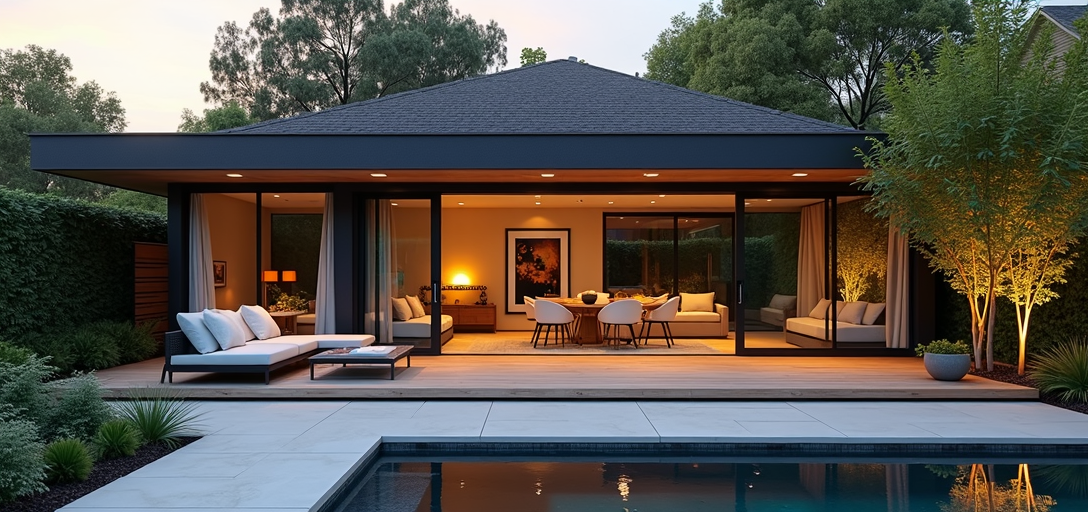
The Rise of Backyard Apartments: A 2026 Phenomenon
As housing demands increase and urbanization expands, backyard apartments have emerged as a transformative concept reshaping the way Americans utilize outdoor spaces. Often termed as Accessory Dwelling Units (ADUs), these structures can be found in backyards across the country, providing additional living spaces, rental income opportunities, and a boost in property values.
What Are Backyard Apartments?
Backyard apartments, also known as garden suites or granny flats, are secondary housing units situated on the same parcel of land as a primary residence. These innovative structures are becoming increasingly popular in urban areas where space is at a premium. They range from simple one-bedroom units to larger, fully-equipped homes, offering flexible living solutions for growing communities.
Why Are They Transformative?
The transformation powered by backyard apartments lies in their ability to maximize the use of residential land. They offer an opportunity to support multigenerational living, contribute to solving housing shortages, and enhance community living dynamics. Here’s how they are reshaping outdoor living and urban landscapes:
- Increased Housing Affordability: By offering more affordable housing alternatives, backyard apartments can alleviate pressure in pricey real estate markets, allowing families to live together or rent out space for additional income.
- Enhanced Property Utilization: Homeowners with available yard space can significantly increase their property’s utility without the need for extensive renovations. This is especially beneficial in metropolitan areas with limited available space for expansion.
- Environmental Benefits: Backyard apartments contribute to sustainable living practices by promoting efficient land use and often incorporate eco-friendly building techniques and materials.
Legal Considerations and Regulations
In 2026, the regulatory landscape for backyard apartments has evolved considerably. Many U.S. states and cities have reformed zoning laws to support the development of ADUs due to their potential in addressing housing crises.
- State-level Legislation: For example, California has been a leader in adopting inclusive ADU regulations, easing restrictions on sizes and parking requirements to promote their construction (Source: California Housing).
- City Specifics: Cities like Portland and Seattle have tailored local ordinances to streamline the ADU approval process, aligning with their sustainability and urban density goals (Source: Portland ADU Regulations).
- Community Policies: While regulations have become favorable, homeowners must remain informed about HOA rules and neighborhood covenants that could affect their plans.
Design Trends and Innovations
The appeal of backyard apartments extends beyond practicality. They represent cutting-edge design and architectural innovation:
- Modular Construction: This efficient building method is gaining traction, offering customizable, energy-efficient solutions that reduce construction time and waste.
- Smart Home Integration: Many backyard apartments are built with the latest smart home technologies, providing enhanced security and energy management.
- Minimalist Aesthetics: With an emphasis on open spaces and connectivity to natural surroundings, these units favor sleek designs and seamlessly blend indoor and outdoor living.
Economic and Social Impacts
Backyard apartments are not just living spaces; they are catalysts for economic and social developments:
- Boosting Local Economy: The construction and maintenance of these units create jobs and stimulate local economies.
- Supporting Aging in Place: They offer a viable alternative for aging family members who wish to maintain independence while living close to relatives, promoting family cohesion and well-being.
- Diversifying Community Demographics: Backyard apartments contribute to more diverse, vibrant communities by attracting a mix of individuals, from young professionals to retirees.
Challenges and Considerations
Despite the advantages, there are challenges to consider when transforming outdoor spaces into livable areas:
- Financing and Costs: Securing loans for building ADUs may be daunting for some homeowners, although new financial products tailored for ADU development have emerged in the market.
- Infrastructure Strain: Increased residential density can place additional demands on local infrastructure such as roadways, utilities, and public services.
Conclusion: The Future of Outdoor Living
Backyard apartments are indeed transforming outdoor living in 2026. As cities endeavor to become more sustainable and inclusive, these versatile living solutions are expected to play an increasingly crucial role. By blending functional design, environmental stewardship, and economic opportunity, backyard apartments symbolically and practically embody the future of urban living.
Whether for familial comfort, income generation, or simply enhancing one’s property, backyard apartments are a testament to the innovative ways Americans are adapting to evolving housing needs. As regulations continue to adapt and technologies advance, the potential for backyard apartments to redefine urban landscapes holds exciting promise.
(Sources: Urban Land Institute, US News Real Estate)