The Allure of Growing Cities: Discover Why New Residents Are Flocking In
Discover why new residents are flocking to cities around the world. This trend highlights exciting shifts in urban appeal, with many cities becoming vibrant hotspots for people seeking a fresh start.
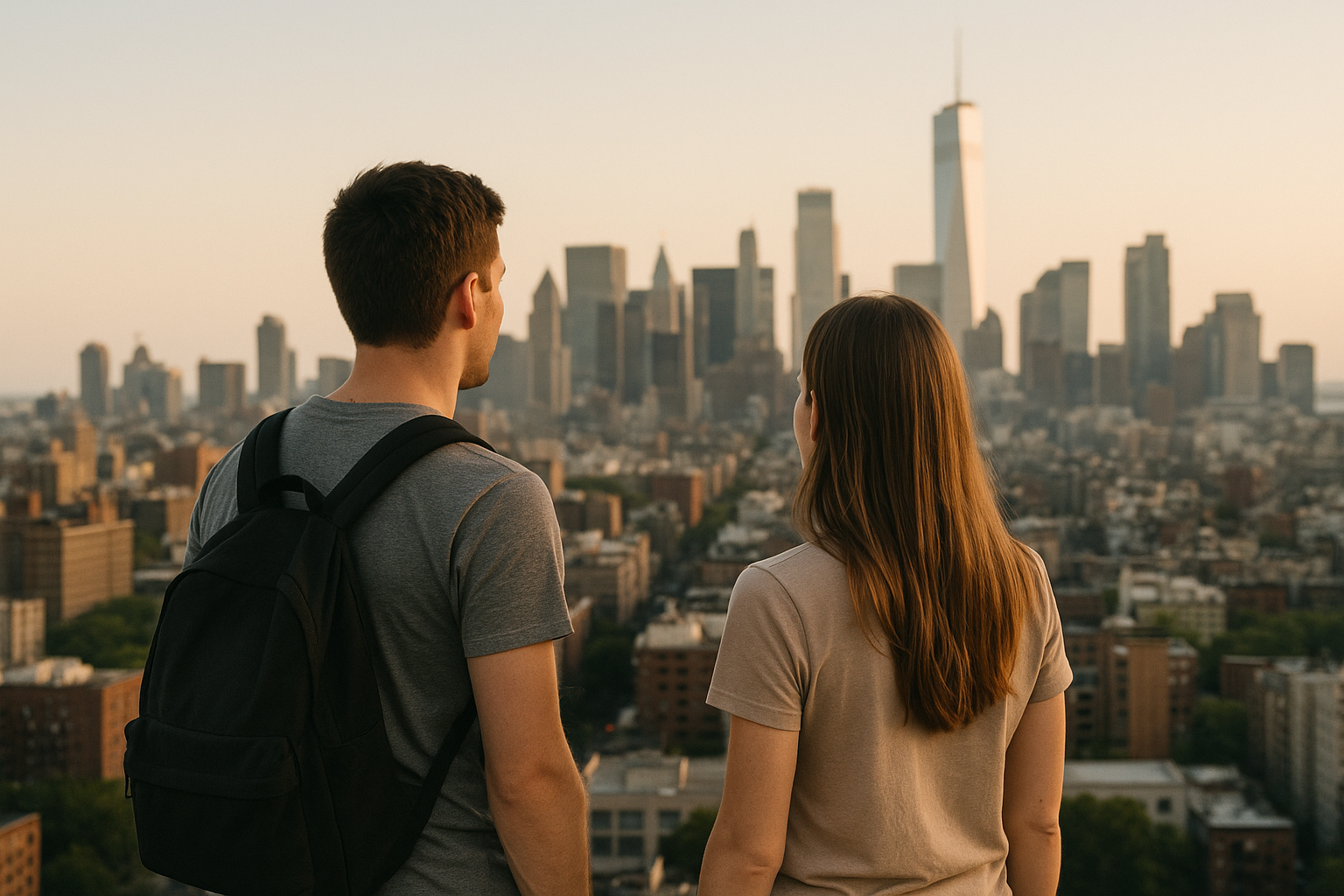
Why Cities Are Experiencing a Migration Boom
The phrase "This Is Why These Cities Are Attracting New Residents" captures a significant trend in urban migration. With evolving work environments, lifestyle preferences, and economic factors, people are increasingly drawn to certain urban areas. Understanding the multifaceted reasons behind this shift can help prospective movers make informed decisions and provide cities with insights into how they can continue to attract new residents.
Factors Driving Urban Migration
Several key factors drive the movement towards specific cities in 2026. These include economic opportunities, quality of life, climate conditions, and technological advancements in remote work. Below, we delve into each of these aspects.
Economic Opportunities
One of the primary drivers of migration to urban centers is the availability of job opportunities. Cities like Austin, Texas, and Raleigh, North Carolina have seen a surge in technology and biotech industries. A report by the U.S. Bureau of Labor Statistics in 2026 notes a 5% job growth in these sectors, predominantly in these cities. This growth creates a robust job market attracting young professionals and families alike.
In addition to technology, cities that have invested in renewable energy and green jobs are also attracting a wave of new residents. Denver, Colorado, for instance, has been tagged as a leader in clean energy, which not only creates jobs but also aligns with the environmental values of many younger generations (Source: BLS Renewable Energy Report, 2026).
Quality of Life Improvements
The quality of life in a city encompasses aspects like healthcare, education, recreation, and accessibility to amenities. As of 2026, cities investing in public transportation and parks have seen a notable uptick in new residents. Portland, Oregon, provides a case study where the emphasis on bike lanes and public green spaces has significantly boosted its appeal.
According to a recent study by the Urban Affairs Review, cities ranking high in air quality, healthcare access, and education tend to attract more educated residents, leading to a virtuous cycle of community and economic upliftment (Source: Urban Affairs Review, 2026).
Climate and Environmental Considerations
Climate change has made certain geographical areas more or less desirable. For instance, coastal cities that are prone to rising sea levels are seeing a decline in new residents. In contrast, cities with moderate climates and less extreme weather conditions, such as Boise, Idaho, have become more attractive.
Yellowstone, Montana, reflecting such trends, is experiencing increased interest from people escaping hotter climates in states like Arizona and Nevada. The environmental benefits, coupled with a low cost of living compared to larger, less climate-resilient cities, play a pervasive role in this migration trend.
Remote Work and Technological Integration
The COVID-19 pandemic has accelerated the adoption of remote work technologies, making it feasible for professionals to live outside major metropolitan hubs without sacrificing their careers. Cities with robust high-speed internet infrastructure and digital workplaces are particularly attractive. Chattanooga, Tennessee stands out with its highly praised gigabit-speed internet, offering the ideal environment for remote workers.
- The Gig City initiative in Chattanooga has been instrumental in setting up digital infrastructure that's conducive to tech startups and telecommuting professionals.
- Other cities, such as Kansas City, Missouri, have introduced public Wi-Fi initiatives to support a more connected urban ecosystem.
Cultural and Social Elements
Another often underestimated factor is the cultural and social atmosphere of a city. Cities with thriving art scenes, diverse populations, and vibrant community events naturally draw more diverse residents. Cities like New Orleans, Louisiana, with its rich cultural tapestry, continue to draw individuals looking for unique lifestyles and experiences.
Moreover, cities that are inclusive and celebrate diversity tend to attract younger, progressive populations eager for cultural engagement and social integration. According to Pew Research data, cities that score high on diversity and inclusion metrics also rank higher in attracting new residents (Source: Pew Research, 2026).
Challenges of Urban Migration
While the migration to these thriving cities brings economic and cultural benefits, it also introduces challenges. These include increased housing demand, potential strain on public infrastructure, and the risk of gentrification. City planners and policymakers need to implement sustainable development plans to accommodate their growing populations without sacrificing existing residents' quality of life.
For instance, San Francisco, California, has faced housing shortages, driving up property prices and pushing out long-term residents. As a result, balancing growth with affordability and inclusivity remains a delicate act for many cities experiencing population influxes.
Conclusion
The trend of urban migration in 2026 highlights the complexities and dynamism of modern city living. From economic prosperity and quality of life improvements to environmental considerations and technological advancements, the reasons people choose to relocate are varied and nuanced. As cities evolve to accommodate new residents, understanding and addressing the challenges associated with this trend is crucial for sustainable urban development.