The Best Way to Safely Clean Your Hearing Aids at Home
Discover expert tips on how to clean hearing aids without risking damage. Our guide covers gentle cleaning methods to maintain your device's longevity and performance. It's important to know how to clean hearing aids properly to ensure clear sound quality.
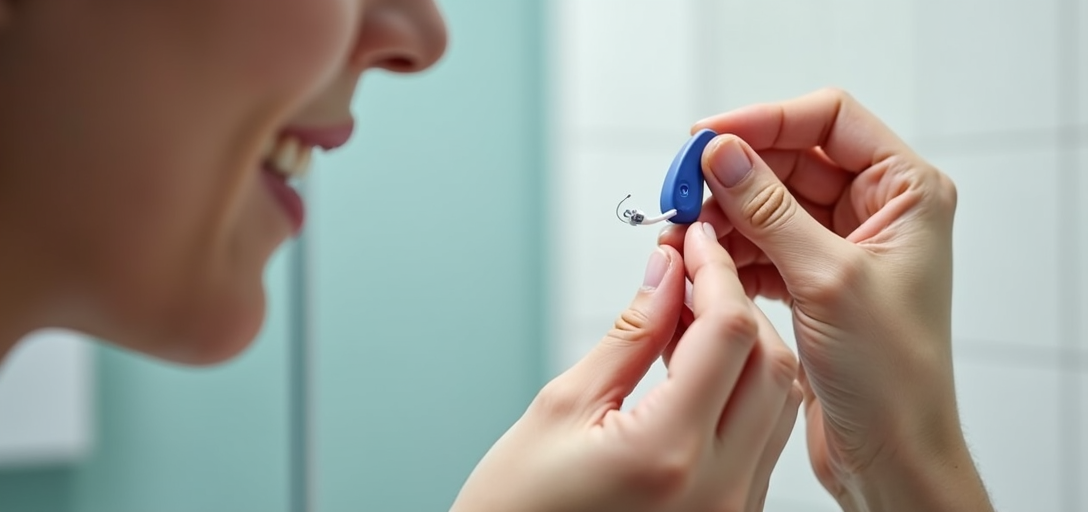
Understanding the Importance of Clean Hearing Aids
Hearing aids are an essential part of daily life for many individuals, aiding them in interacting and communicating effectively with the world around them. As of 2026, approximately 28.8 million adults in the United States could benefit from using hearing aids, yet the intricacies of their maintenance are often overlooked. Keeping hearing aids clean not only ensures the longevity of the device but also maintains optimal performance and sound quality. Ignoring regular cleaning can lead to discomfort, decreased functionality, and costly repairs.
Why Regular Cleaning is Essential
Hearing aids are subjected to various environmental factors—sweat, dirt, earwax, and other debris can quickly accumulate, affecting both the device's efficiency and hygiene. Hearing healthcare professionals emphasize that proper maintenance prevents common issues such as feedback noise, corrosion, and blocked sound pathways. By maintaining regular cleaning, users extend the lifespan of their hearing aids, ensuring consistent performance.
The Dangers of Improper Cleaning
Danger lurks in improper cleaning techniques, which can lead to damage or even void warranties. Submerging hearing aids in water, using harsh chemicals, or employing pointed objects are mistakes to be avoided. Understanding what not to do is as crucial as knowing the correct cleaning methods, saving users from costly repairs or replacements.
Step-by-Step Guide: How to Clean Hearing Aids Without Ruining Them
Cleaning your hearing aids might seem daunting, but with the right tools and guidelines, it becomes a simple routine. Follow these steps to clean your hearing aids effectively:
Gathering Your Cleaning Supplies
- A soft, dry cloth
- Hearing aid cleaning brush (often provided by manufacturers)
- Pick and wire loop for earwax removal
- A multiclean tool (optional, but beneficial for comprehensive cleaning)
Daily Cleaning Routine
- Remove the hearing aids: Always wash your hands before handling your hearing aids. Remove them before cleaning to ensure you can reach all parts.
- Inspect the device: Look for any visible dirt, earwax, or moisture buildup.
- Brush away debris: Using the cleaning brush, gently sweep away dirt and earwax from the microphone ports and other crevices.
- Clean the earpiece: Use the pick or wire loop to carefully remove any wax from the earpiece.
- Wipe down the device: Use the dry cloth to wipe the entire surface of the hearing aid, removing any oils or dirt.
Monthly Maintenance Tasks
Apart from your daily routine, a more thorough cleaning is recommended monthly to ensure the device remains in top working condition:
- Change wax filters: Most hearing aids have wax filters that should be replaced periodically, depending on usage and accumulation of earwax.
- Inspect the tubing: If your device has tubing, check for cracks or blockages, and replace if necessary.
- Professional tune-up: Consider getting your device professionally cleaned, which would address issues like moisture buildup inside the device that cannot be handled at home.
Case Studies and Real-World Examples
An analysis of a 2026 consumer report showed that users who maintained a regular cleaning schedule for their hearing aids experienced a 30% reduction in repairs compared to those who neglected these tasks. Consider John, a 54-year-old audiologist from New York, who religiously followed the cleaning routine and had his hearing aids last over six years without significant issues. His approach included monthly professional inspections, reinforcing the importance of both routine and expert maintenance.
Frequently Asked Questions
What Are The Best Practices For Storing Hearing Aids?
Proper storage is crucial in maintaining the integrity of hearing aids. When not in use, keep them in a dry, cool place. Use a dedicated hearing aid dehumidifier if possible, as moisture is a common enemy to hearing aid longevity.
How Can I Identify Issues That Require Professional Attention?
If your hearing aids produce distorted sound, regular cleaning doesn’t resolve the feedback issues, or they cease functioning properly, it's time to consult an audiologist. Immediate professional attention can prevent aggravating the issue further.
How Often Should Hearing Aid Batteries Be Replaced?
Battery life varies by model and usage; however, most require changing every 3–10 days for non-rechargeable types. Rechargeable batteries often necessitate nightly charging but check with your manufacturer’s recommendations.
Conclusion
Keeping your hearing aids clean without ruining them is about commitment to a straightforward routine and being informed about proper care techniques. In the U.S., where hearing aids are a common necessity, adopting these best practices ensures clarity, effectiveness, and longevity of your devices. Whether you're starting to use hearing aids or a seasoned user, remember each step of maintenance counts towards your auditory health and quality of life.
For further insights and resources, explore the following:
Mayo Clinic's Guide to Hearing Aids
Hearing Loss Association of America