The Future of Milk Packaging: What Will Replace Plastic Jugs?
Plastic milk jugs, commonly found in households, may soon be replaced. Rising environmental concerns and advancements in packaging technology are driving innovation. Materials such as biodegradable plastics and plantbased alternatives are being explored.
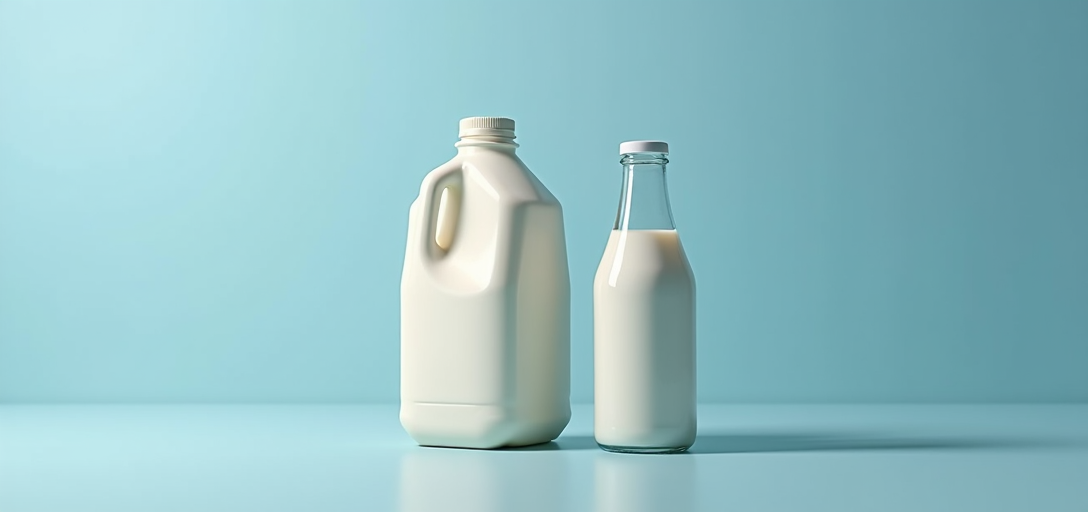
Understanding the Shift Away from Plastic Milk Jugs
Plastic milk jugs have been a staple in American households for decades, known for their convenience and light weight. However, growing environmental concerns and innovations in sustainable packaging are driving a shift towards alternative solutions. This article delves into the potential replacements for plastic milk jugs and the reasons behind this transition.
Environmental Impact of Plastic Milk Jugs
Plastic pollution has become a pressing issue worldwide, with millions of tons of plastic waste entering landfills and oceans annually. In the U.S. alone, approximately 300 million pounds of plastic is used in milk jugs each year. [Plastic Pollution Coalition] Despite recycling efforts, a significant portion of plastic jugs still end up as waste due to inefficient recycling systems and consumer habits.
Innovations in Sustainable Packaging
With the need to reduce plastic use, companies and researchers are exploring various sustainable packaging options. Some of the most promising alternatives include:
- Reusable Glass Bottles: While heavier and more costly to transport, glass bottles can be reused multiple times and are fully recyclable. Many local dairies have returned to glass bottle deliveries, which also add a retro charm.
- Biodegradable Cartons: Made from renewable materials such as paperboard, these cartons are similar to juice boxes and are both recyclable and compostable. Recent advancements have improved their shelf life and durability.
- Plant-Based Plastics: Bioplastics derive from natural resources like corn starch or sugarcane and can decompose under industrial compost conditions. These plastics are already being used by some dairy brands in the U.S.
Consumer Response and Adaptability
Consumer awareness and demand for sustainable products are on the rise. According to a 2026 survey by Nielsen, 73% of U.S. consumers stated that they would change their consumption habits to reduce environmental impact. This trend is encouraging brands to prioritize eco-friendly packaging solutions to meet consumer expectations.
The Future of Milk Packaging in the U.S.
The Role of Regulations and Policies
Governments are implementing regulations to cut down on plastic waste. In 2025, the U.S. enacted the "Plastic Pollution Reduction Act," which mandates gradual reductions in plastic use across industries. These policies are expected to accelerate the shift towards sustainable milk packaging solutions.
Challenges in Transitioning Away from Plastic
Despite the push for sustainable alternatives, several challenges persist:
- Infrastructure: Developing the necessary infrastructure to support recycling and composting of alternative packaging materials can be costly and complex.
- Cost: Biodegradable and reusable packaging often comes at a higher cost, which must be balanced between producers and consumers.
- Consumer Behavior: Educating consumers and encouraging them to switch to more sustainable options requires significant effort and outreach.
Success Stories and Case Studies
Several companies in the U.S. have already made significant strides in implementing alternative packaging solutions. For example, Straus Family Creamery in California has been using glass bottles since 1941, attributing their growing popularity to environmental consciousness. Meanwhile, ThreeXGreen, a startup in New York, has introduced plant-based milk packaging that is gaining traction in urban markets.
Concluding Remarks
The transition away from plastic milk jugs reflects a broader global movement towards sustainability. While the journey involves challenges, it also opens opportunities for innovation, collaboration, and a healthier planet. As consumers, being informed and making conscious choices can significantly propel this movement forward.