The Hidden Cost: Which Devices Drain Energy Even When Turned Off?
Discover which devices consume power even when not in use, subtly impacting your energy bill. Many of us overlook electronics that draw power continuously, known as standby power or vampire energy, which accumulates over time.
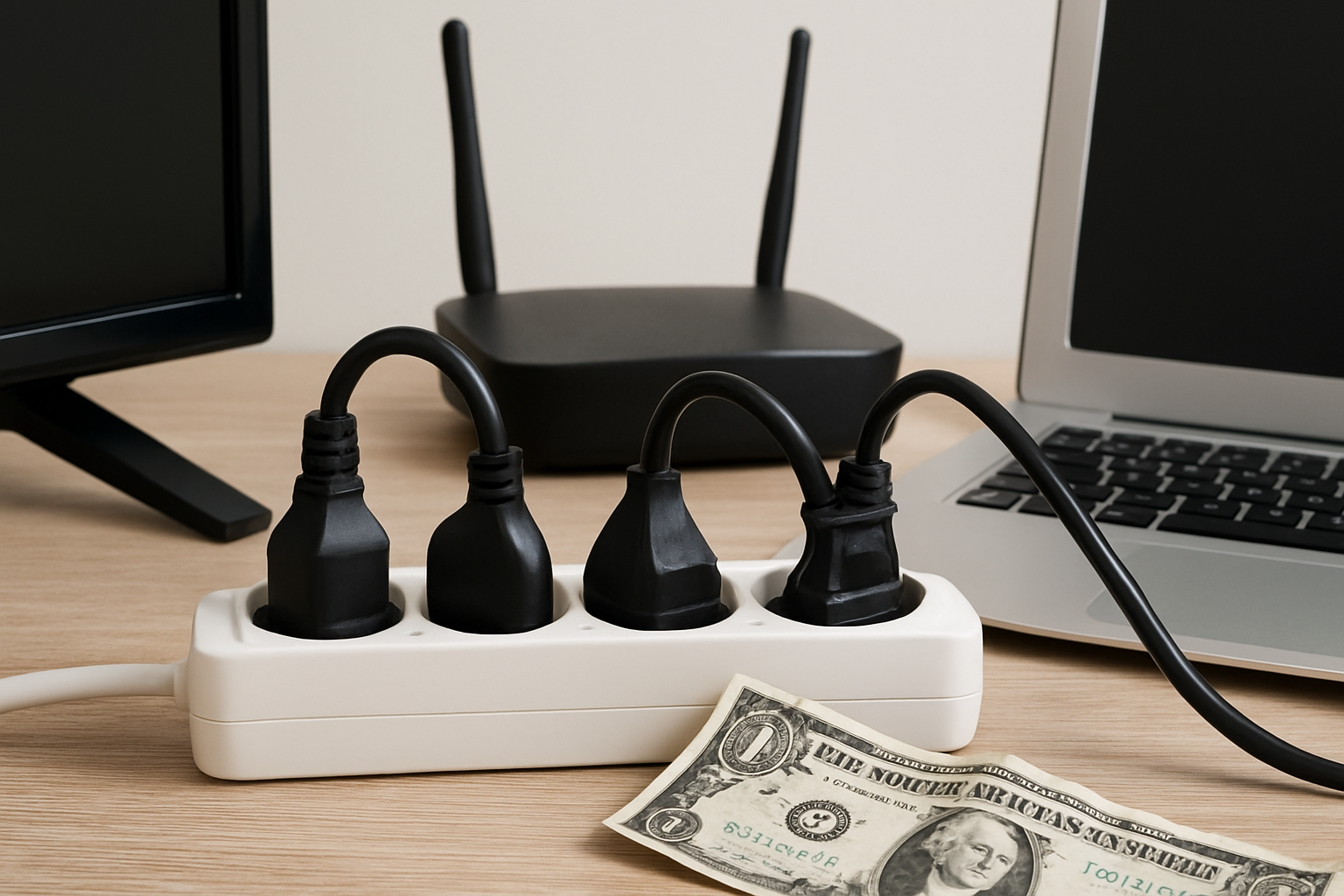
Understanding Standby Power: The Silent Energy Drain
When you think of energy consumption, you likely picture appliances actively running, lights shining, or devices operating at full capacity. However, many household devices consume power even when not actively in use, a phenomenon known as standby power or "phantom load." This hidden energy use can have significant implications on both your electricity bill and environmental footprint.
The International Energy Agency reports that standby power can account for about 5-10% of a household's energy use, amounting to substantial wasted energy each year. As people become increasingly conscious about both their utility costs and environmental impact, understanding and addressing standby power is essential.
Devices That Consume Power When Not in Use
Various household devices and appliances continue to consume electricity even when switched off. Here are some common culprits:
- Televisions: Modern smart TVs remain in standby mode to receive remote signals and updates, consuming energy continuously.
- Set-Top Boxes and Game Consoles: These devices claim considerable power in standby mode to support instant-on features and maintain updates.
- Chargers: Chargers for phones and laptops can draw power when left plugged in, even if not connected to their devices.
- Microwaves: The digital clock display and quick-start functions keep microwaves drawing power even when not in active use.
A study conducted in 2025 by the Institute for Energy Efficiency found that U.S. households could save an average of $100 annually by addressing these phantom loads, underscoring the significance of this hidden energy use.
How to Identify Phantom Loads
Detecting devices that consume power even when turned off is the first step in reducing wasted energy. Follow these simple steps to identify phantom loads in your home:
- Observe Lights and Displays: Check for LED indicators, digital displays, or clock settings that remain on when the device is off. These are indicators of standby power consumption.
- Use an Electricity Usage Monitor: Plug-in electricity monitors can measure the power draw of devices in standby mode. They help pinpoint devices contributing to phantom load.
- Device Manuals and Specifications: Review user manuals or product specifications for standby power ratings. This information is sometimes included in the technical specification section.
Strategies to Minimize Standby Power Consumption
Once you've identified the sources of phantom load, implementing strategies to reduce standby power is crucial. Consider the following approaches:
- Unplug Devices: For infrequently used devices, unplugging them when not in use is the simplest solution. This is especially effective for chargers and kitchen appliances.
- Use Power Strips: Smart power strips turn off devices when they're not in use. Some come with timers, remote controls, or sensors to make the process even easier.
- Enable Energy-Saving Settings: Many electronics have energy-saving modes that can reduce standby power draw. Check device settings to ensure energy efficiency is optimized.
- Invest in Energy-Efficient Appliances: Newer models often comply with strict energy standards and have lower standby power consumption. Look for ENERGY STAR-certified products.
Impact of Reducing Standby Power Consumption
Tackling standby power not only benefits your wallet but also the environment. By reducing unnecessary energy consumption, you contribute to decreased greenhouse gas emissions. A 2026 report from the U.S. Department of Energy suggests that widespread adoption of standby power reduction could potentially lead to a reduction of millions of metric tons of carbon dioxide emissions every year.
Moreover, as global energy demands continue to rise, reducing wasted energy can help alleviate pressure on power grids and fossil fuel resources, promoting a more sustainable future.
Resources such as Energy.gov and International Energy Agency (IEA) offer insights and guidelines on further steps you can take to manage energy use more efficiently.
Conclusion: Taking Action for a Brighter, Efficient Future
Understanding and mitigating the impact of devices that consume power even when not in use can have a profound impact on both personal finance and environmental health. Through proactive steps, you can substantially reduce your energy bills while contributing to a more sustainable world. Begin by identifying phantom loads in your household and employing energy-saving strategies.
As technology continues to evolve, staying informed about the latest energy-efficient advancements remains essential. By making conscientious choices about energy consumption, each of us has the power to ignite change and steward a sustainable future.