The Hidden Dangers of Leaving Electronics Plugged In Overnight
Electricians often advise against leaving certain devices plugged in overnight. This practice can lead to potential safety hazards, such as overheating and increased fire risk. By understanding the recommendations from electricians, you can make your home a safer place.
Understanding the Risks Associated with Certain Electrical Devices
In recent years, electricians and safety experts have increasingly warned against leaving certain electrical appliances and devices plugged in overnight. This guidance aims to mitigate potential fire hazards and decrease energy consumption. In 2026, the National Fire Protection Association (NFPA) reported that electrical failures or malfunctions accounted for approximately 13% of home structure fires in the US, making it crucial for homeowners to be vigilant about electrical safety.
Why Some Devices Should Not Be Left Plugged In
Many household electrical appliances continue to draw power even when turned off, which can lead to overheating and create a fire risk. This phenomenon, often referred to as "phantom load" or "standby power," can also contribute to unnecessary energy consumption. To illustrate, unplugging electronic devices when not in use can save an estimated $200 annually according to the U.S. Department of Energy.
- Overheating: Devices such as phone chargers and laptops can overheat if left plugged in continuously, especially if airflow is restricted. Over time, this can damage the device or become a latent fire hazard.
- Energy Waste: Many electronics continue to consume power in standby mode, contributing to higher energy bills. This wasteful practice is not only costly but also environmentally harmful.
- Wear and Tear: Leaving devices plugged in continually can lead to quicker degradation of the charger or device battery, decreasing overall lifespan and efficiency.
Which Devices Pose the Biggest Risks?
While it can be tempting to leave devices plugged in for convenience, some items should be given particular attention to enhance safety and efficiency. Electricians often highlight the following devices:
- Phone and Tablet Chargers: These devices are generally safe but can pose risks if left plugged in constantly. Damage to the cord or surge protectors can increase the danger of electrical fires.
- Space Heaters: These are programmed to produce heat and can ignite nearby combustibles if left unattended for long periods.
- Hair Straighteners and Dryers: With high heat output potential, these devices can cause fires if not properly switched off or unplugged.
Understanding which devices are at higher risk allows homeowners to take preemptive steps in ensuring their safety and reducing unnecessary energy consumption. Being proactive can prevent potential damages and save lives.
How to Safely Manage Household Electrical Devices
Handling electrical appliances properly requires both awareness and action. Here are some steps to enhance safety at home:
Practice Safe Charging Habits
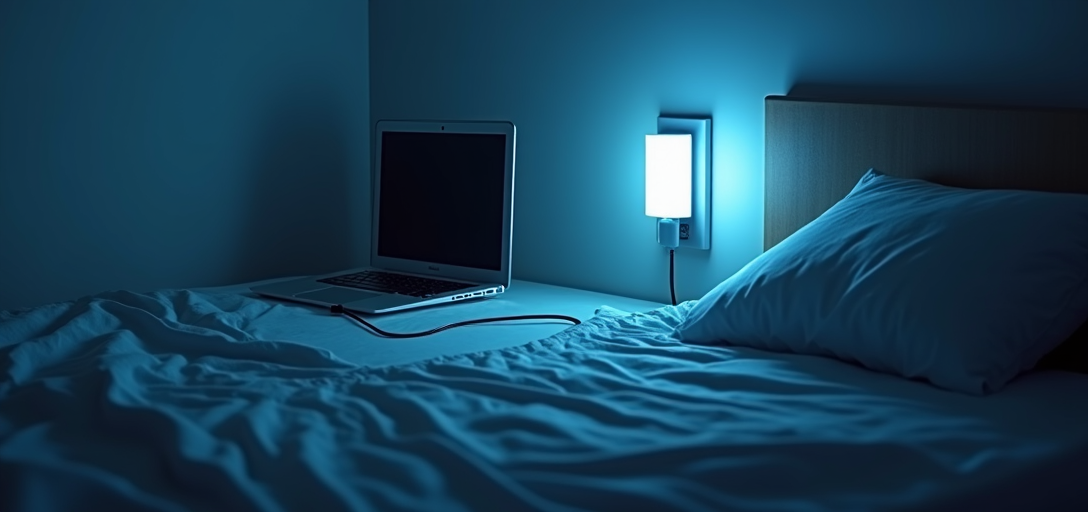
Avoid leaving devices charging on beds, pillows, or any soft surface that can trap heat. Always place charging devices on a hard and flat surface with sufficient air circulation.
Invest in Smart Power Strips
Smart power strips can automatically shut off power to devices that are not in use, helping to prevent phantom load. This intelligent technology is an emerging trend in 2026 that enhances both safety and efficiency.
Schedule Regular Electrical Inspections
Having a certified electrician conduct annual check-ups can ensure that your household’s wiring and electrical devices are in good condition. They can identify potential risks and recommend corrective measures.
The Future of Home Electrical Safety
In 2026, advancing technology plays a crucial role in making homes safer and more energy-efficient. Internet of Things (IoT) devices like smart plugs offer homeowners the capability to control and monitor their devices remotely, drastically reducing the chances of electrical mishaps.
Smart home ecosystems using IoT innovations are expected to become standard in most US households by 2028, as more people seek safer and more energy-efficient living solutions. With built-in features like automatic shutoff and energy usage monitoring, homeowners can significantly improve electrical safety and efficiency.
Conclusion: Being Proactive About Electrical Safety
The principle of never leaving certain electrical devices plugged in overnight is grounded in both safety and energy efficiency considerations. Homeowners should adopt safe charging practices, invest in modern technology like smart strips, and schedule regular electrical inspections to ensure their living spaces are safe.
By understanding the risks associated with various devices and implementing appropriate safety measures, you can prevent potential hazards, save on energy costs, and contribute to a more sustainable environment.
For more detailed information on electrical safety standards, visit reliable resources such as the National Fire Protection Association or the U.S. Department of Energy.