The Importance of Early Recognition of HIV Symptoms for Better Health Outcomes
Recognizing HIV symptoms early is crucial for effective management and better health outcomes. Understanding the initial signs can lead to timely medical guidance, which may improve quality of life and delay progression.
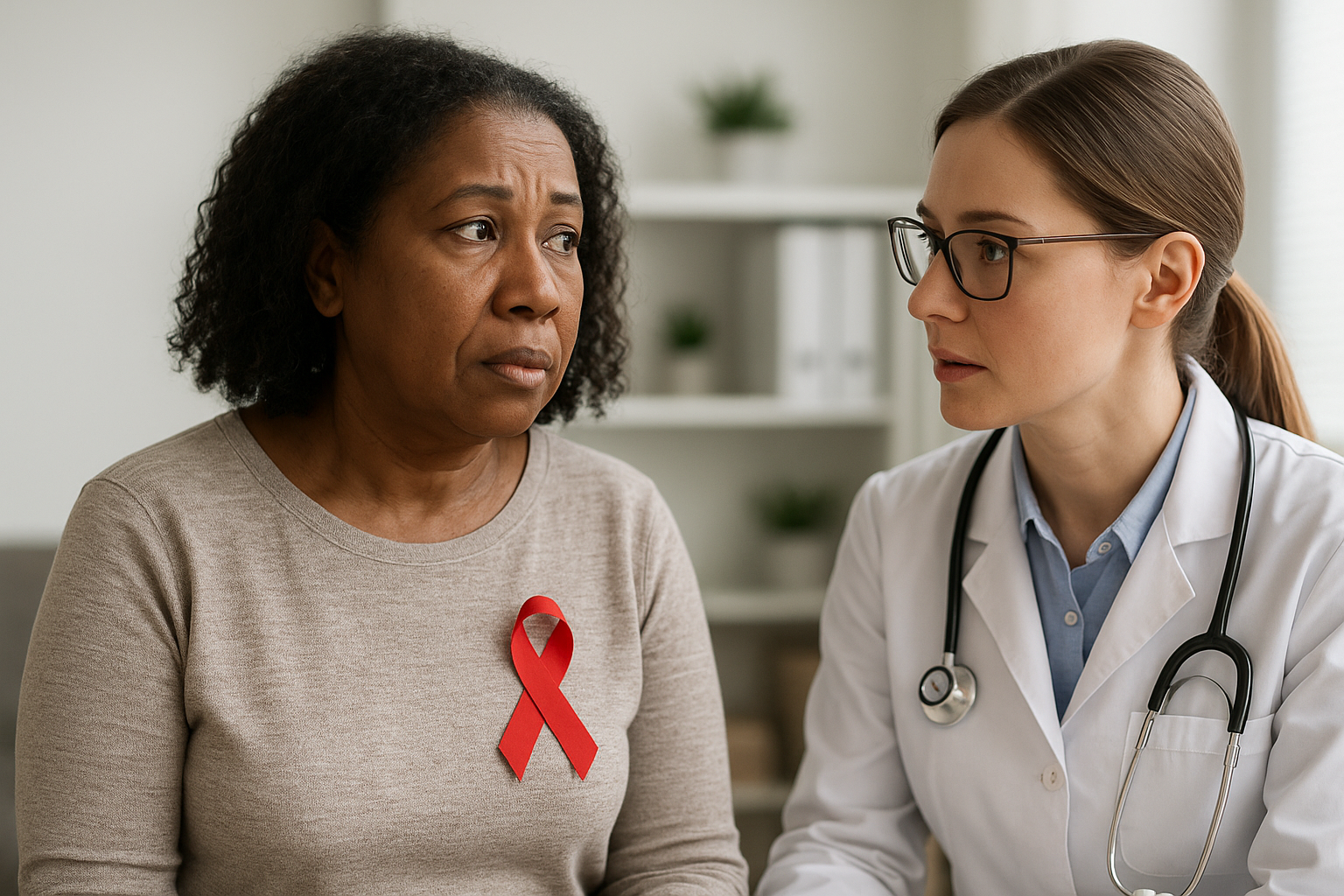
Understanding HIV: The Importance of Early Recognition
Human Immunodeficiency Virus (HIV) remains a significant global health issue even in 2026, affecting millions of individuals worldwide. Recognizing HIV symptoms early can make a crucial difference in managing the virus, prolonging life, and improving overall health outcomes. This article will delve into why early detection is vital, the symptoms to watch for, and what steps to take if you suspect you may have been exposed to HIV.
Why is Early Detection of HIV Symptoms Important?
Early detection of HIV is critical for several reasons:
- Improved Treatment Outcomes: Starting antiretroviral therapy (ART) early improves health outcomes by reducing viral load, boosting the immune system, and decreasing the chance of HIV-related complications.
- Reduced HIV Transmission: When individuals know their status, they are more likely to take precautions, reducing the risk of transmitting the virus to others. According to a 2026 study published in the Journal of Infectious Diseases, early ART can reduce transmission rates by over 96% (source: Journal of Infectious Diseases).
- Better Health Monitoring: Regular check-ups can help manage symptoms and monitor for opportunistic infections, providing peace of mind and better quality of life.
Recognizing HIV Symptoms Early: What to Look For
HIV symptoms can vary greatly between individuals and may not appear immediately after exposure. However, recognizing the initial signs can help ensure timely testing and treatment.
Acute HIV Infection Symptoms
Within 2-4 weeks after exposure, some people experience acute retroviral syndrome (ARS) or primary HIV infection, which mimics flu-like symptoms:
- Fever
- Swollen lymph nodes
- Sore throat
- Rash
- Fatigue
- Muscle and joint aches
- Headache
- Diarrhea
It is important to remember that these symptoms are not exclusive to HIV and could be caused by other illnesses, which is why testing is crucial.
Chronic HIV Infection Symptoms
If untreated, HIV can progress to the chronic stage, where symptoms may be less apparent but can include:
- Persistent swollen lymph nodes
- Weight loss
- Mild infections
- Night sweats
The chronic phase can last for several years, and without ART, HIV can advance to Acquired Immunodeficiency Syndrome (AIDS).
What to Do If You Suspect Exposure
Get Tested
Testing is the only way to know for sure if you have HIV. Home testing kits, available at pharmacies or online, offer a private and convenient option. Alternatively, you can visit your healthcare provider or a local clinic. According to the Centers for Disease Control and Prevention (CDC), everyone aged 13-64 should get tested for HIV at least once (source: CDC).
Consider Post-Exposure Prophylaxis (PEP)
If you believe you have been exposed to HIV in the last 72 hours, PEP might be an option. This emergency medication can prevent the virus from taking hold but must be started within three days post-exposure.
Understand the Importance of Regular Testing
For those at higher risk, such as individuals with multiple sexual partners, regular testing is vital. It helps catch any new infections early, ensuring timely intervention and reducing transmission risk.
The Role of Education and Support
Education and support play a critical role in managing and preventing HIV. Understanding the virus and its symptoms can reduce stigma, encourage testing, and improve quality of life for those living with HIV. Support groups, counseling services, and educational programs are invaluable resources for patients and loved ones.
Conclusion: Taking Charge of Your Health
Recognizing HIV symptoms early and seeking prompt medical advice can dramatically improve health outcomes. In 2026, advances in medical research and treatment continue to offer hope, with a growing number of resources available to support individuals worldwide. Remember, early detection saves lives.
For more information on HIV, symptoms, and treatment options, visit the World Health Organization website or contact your local healthcare provider for guidance and support.