The Real Cost of Installing an EV Charger at Home: What to Expect
Curious about what it takes to set up an electric vehicle charger at home? Discover the potential costs involved in installing an EV charger, as well as important factors that influence the price.
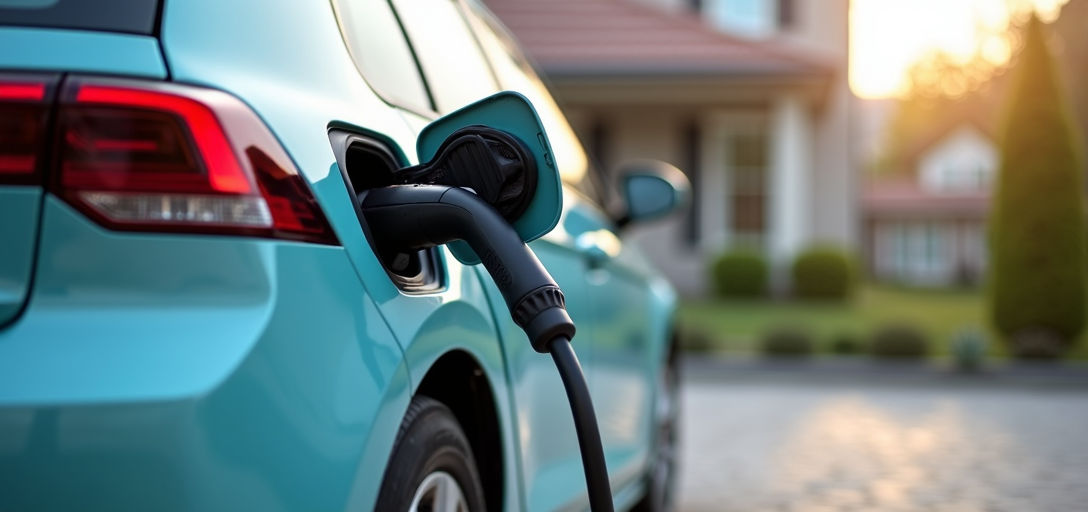
Understanding the Costs of Installing an EV Charger at Home
For many Americans transitioning to electric vehicles (EVs), the convenience of a home charging station is a key consideration. Yet, the question on everyone's mind is, "How much does it cost to install an EV charger at home?" In this article, we'll explore this question in depth, providing insights into the costs involved, factors that influence pricing, and potential savings or incentives you might be eligible for.
What Are the Basic Components of a Home EV Charger Installation?
Before diving into costs, it's important to understand what installing an EV charger entails. Typically, a home EV charger setup includes:
- The EV charging unit (Level 1 or Level 2)
- Cabling and connectors
- Wall mount or pedestal for installation
- Electrical upgrades, if necessary
- Professional installation services
The type of charger and the complexity of your electrical system are significant cost determinants.
How Much Does It Cost to Install an EV Charger at Home in the US?
The cost can vary significantly depending on several factors, including the type of charger and the specifics of your home’s electrical system. Here's a general breakdown:
- Level 1 Charger: These chargers typically come with the vehicle and use a standard 120-volt outlet. Installation costs are minimal, often ranging from $0 to $100 if additional outlets are needed.
- Level 2 Charger: These require a 240-volt outlet, similar to those used by large appliances. Costs for the charging unit range from $500 to $700. Installation can add another $500 to $2,000, depending on the complexity.
According to HomeAdvisor's 2026 report, the national average cost for installing a level 2 EV charger is approximately $1,200, including both parts and labor costs.
Factors Influencing Installation Costs
Several factors can influence the total cost of installing an EV charger:
- Electrical Upgrades: Homes with outdated electrical systems may require panel upgrades or additional circuits, increasing costs.
- Distance from Electrical Panel: The further the charging site is from the main electrical panel, the more wiring and labor are needed.
- Permitting Costs: Some jurisdictions require permits for electrical work, which adds to the overall cost.
- Labor Rates: Labor rates vary across the US, often affecting the installation price substantially.
Potential Savings and Incentives
While the upfront costs might seem significant, there are numerous incentives and rebates available for EV charger installations. For instance:
- The federal EV Charger Tax Credit offers a tax credit for 30% of the cost, up to $1,000 for residential installations.
- Various states offer additional incentives, such as California’s Clean Cars 4 All program, which provides rebates for charger installation.
- Utility companies often offer rebates or reduced rates for EV owners who install a home charger.
These programs can significantly offset installation costs, making it more financially viable for consumers to switch to electric vehicles.
Calculating Long-Term Savings
While initial installation costs might seem high, it's important to consider long-term savings and benefits:
- Electricity is typically cheaper than gasoline, which can lead to substantial savings on fuel over time.
- Home charging is more convenient and can be cheaper than public chargers, especially with off-peak rates.
- Electric vehicles usually require less maintenance, adding to overall savings across the vehicle’s lifespan.
Real-World Example: Case Study of an EV Charger Installation
Consider the experience of Sarah from California, who recently installed a Level 2 charger at home:
Sarah purchased a charger for $600. Given that her home required minor electrical upgrades, she budgeted $800 for installation. The total installation cost was around $1,400. However, she received a state rebate of $500, lowering her net expense to $900. With her previous gasoline expenses of $150 per month and her new electricity cost for charging at approximately $50 per month, she anticipates recouping her initial investment within two years.
Conclusion: Is a Home EV Charger Worth the Investment?
For many, the convenience and long-term savings of a home EV charger far outweigh the initial expenses. Deciding to install an EV charger depends on individual needs, financial incentives, and long-term vehicle usage. Keeping informed about available rebates and regional incentives is crucial for making an economically sound decision.
Overall, the shift to electric vehicles and home charging contributes not only to personal savings but also to broader environmental benefits, aligning with sustainability goals many Americans strive for in 2026 and beyond.