The Surprising Benefits of Unplugging Your Charger Overnight
Discover why unplugging your charger at night could lead to cost savings and improved safety. While it's a simple habit, the potential benefits of disconnecting your charger at night extend to reducing energy waste and safeguarding your devices.
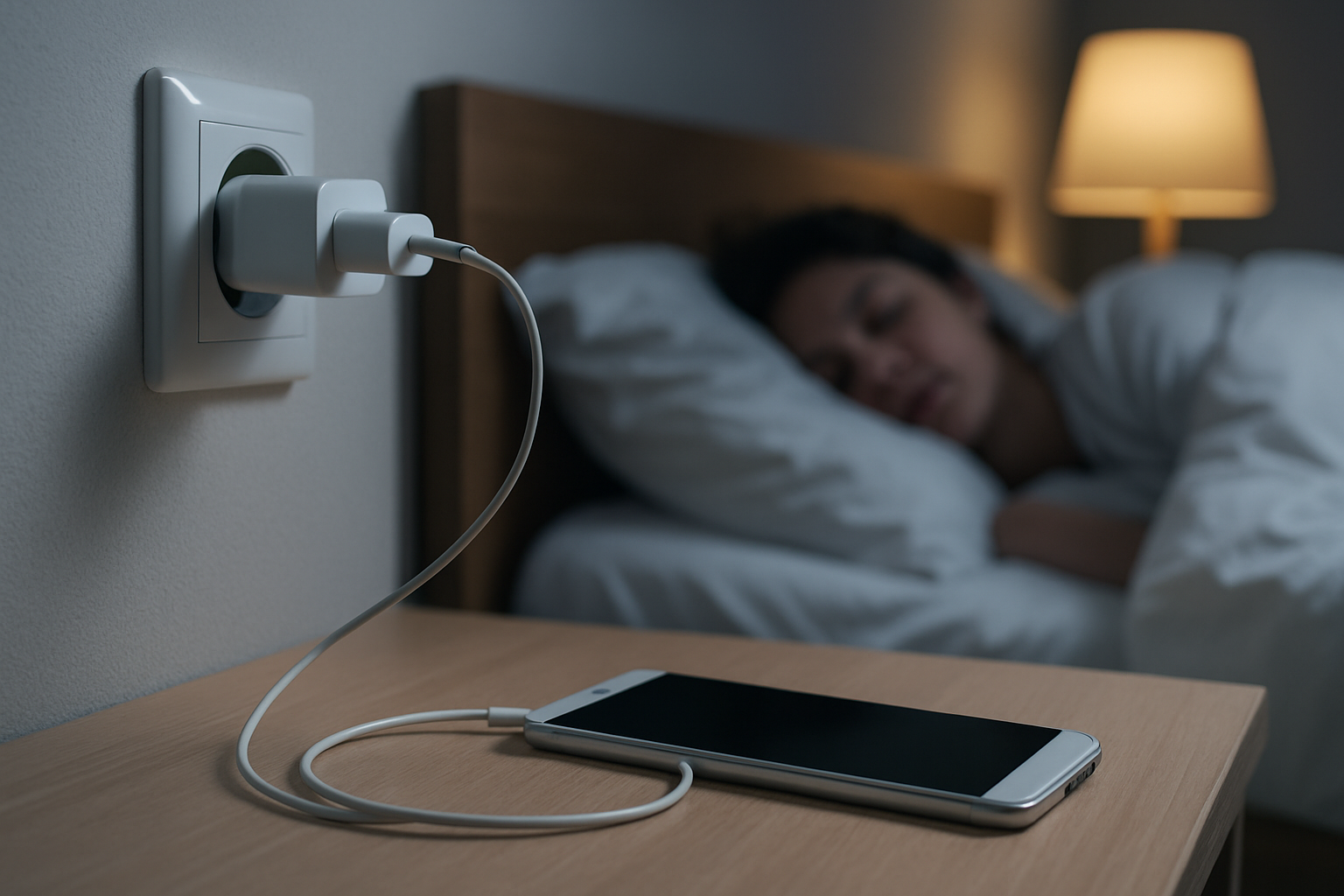
The Importance of Unplugging Your Charger at Night
In today's fast-paced digital world, many of us rely on electronic devices daily. From smartphones to laptops, these devices have become integral parts of our lives, and keeping them charged is crucial. However, there's a growing concern about the potential downsides of leaving chargers plugged in at night, prompting many to ask: Why should you unplug your charger at night?
This topic isn't just about saving energy or reducing electricity bills, though these are certainly factors to consider. It's also about understanding the environmental impact, maintaining device longevity, and ensuring your home’s safety.
Understanding Energy Consumption
Phantom Energy Drain
Even when not actively charging a device, chargers continue to consume electricity when plugged in. This is known as "phantom" or "standby" power consumption. According to the U.S. Department of Energy, standby power can account for up to 10% of your household electricity use.
While individual chargers consume a small amount of power, when added together with other appliances in your home, the total energy usage can be significant over time. Unplugging chargers when not in use is a simple step you can take to reduce unnecessary energy consumption.
Environmental and Economic Impact
Reducing wasteful energy consumption is beneficial not just for your wallet but for the environment. As countries around the world strive to reduce carbon emissions, every little bit of energy conservation helps. According to the International Energy Agency, maintaining a sustainable energy future necessitates reducing energy waste where possible.
- Cost Savings: While the individual savings might appear negligible day-to-day, cumulatively, unplugging chargers can result in noticeable savings on your annual electricity bill.
- Environmental Benefits: Lowering your energy consumption helps reduce your carbon footprint, contributing to global efforts against climate change.
Enhancing Device Longevity
Avoiding Overcharging
Modern devices come with built-in mechanisms to stop charging once the battery is full. However, keeping them plugged in can still generate heat, which over time may degrade battery capacity and lifespan. By unplugging your charger at night, you can prevent overheating and prolong the life of your devices.
Preventing Wiring Wear and Tear
Constantly keeping a charger plugged in may result in thermal wear on both the charger and the device battery. Over many cycles, this can lead to reduced efficiency and potential failure. By unplugging, you minimize these risks, ensuring your devices function effectively for longer.
Safety Concerns: Preventing Fires and Hazards
Reducing Risk of Electrical Fires
It’s an unfortunate reality that electrical fires can and do happen. Statistics from the National Fire Protection Association indicate that electrical fires cause significant property damage annually, with chargers and power cords often implicated. Unplugging chargers when not in use is a simple precautionary measure to reduce the risk of fire.
How to Form New Habits for Unplugging
Practical Tips for Building the Habit
- Set Reminders: Use phone alarms to remind yourself to unplug chargers before going to bed.
- Use Smart Power Strips: These devices stop consuming power when not in use, offering a convenient alternative to manual unplugging.
- Create a Routine: Incorporate unplugging chargers into your morning or nighttime routine to make it second nature.
Conclusion: Small Actions Matter
While unplugging your charger at night might seem like a small action, the cumulative effect when adopted widely can lead to meaningful changes in energy consumption and safety. By being mindful of our habits and their impact, we take an important step towards a more sustainable future. As technology continues to evolve, so too does our ability to make smarter choices about how we use it. Remember, every action counts in making a significant collective difference.