The Top 5 Proven Solutions for Missing Teeth by 2026
Discover the top 5 best solutions for missing teeth in 2026 that offer promising advances in dental technology. While every individual's path to improved dental health is unique, these options are paving the way for better oral care.
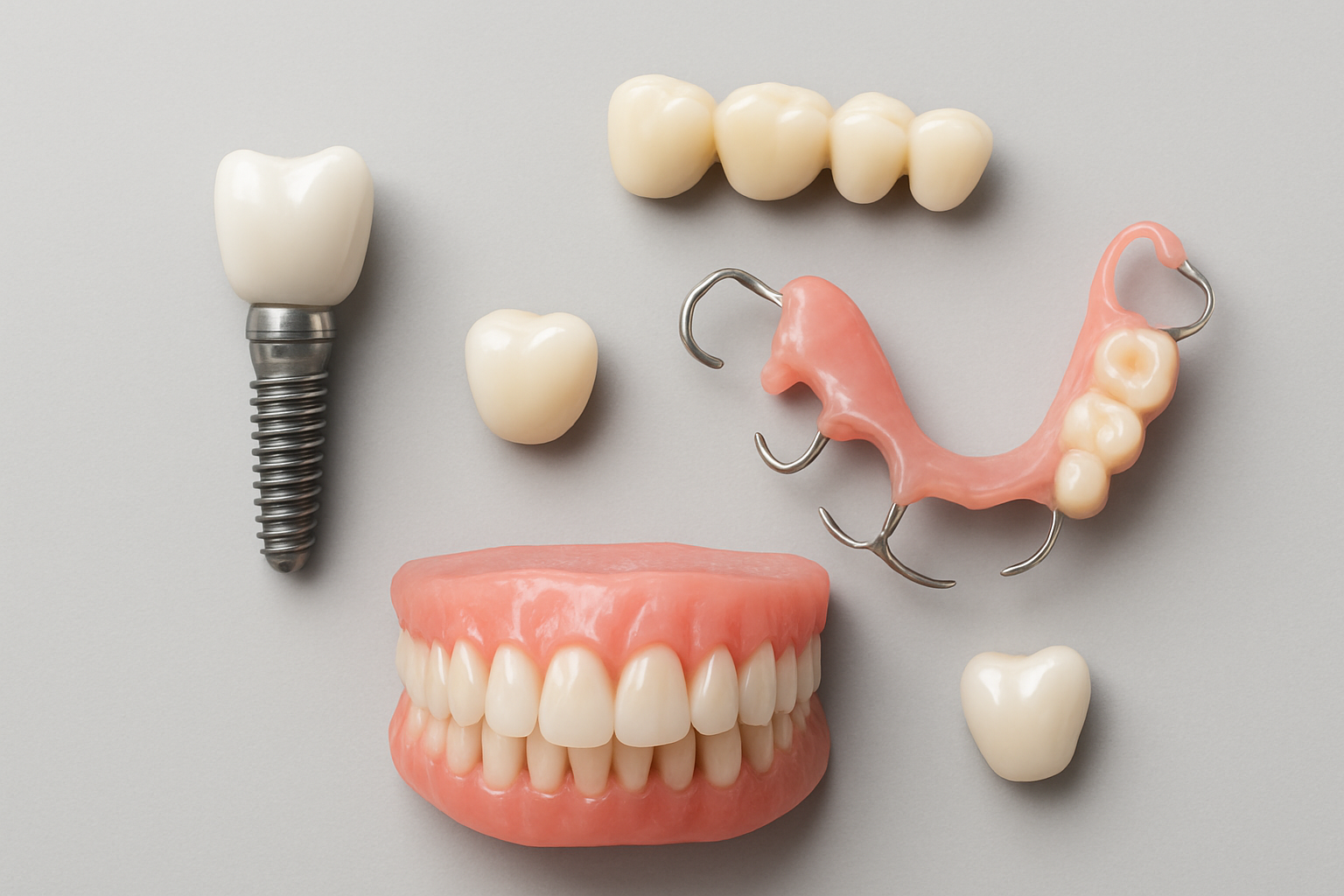
The Importance of Addressing Missing Teeth
Missing teeth can significantly impact your quality of life, affecting how you eat, speak, and even your self-esteem. As dental technology continues to advance, it's essential to explore the best solutions available to restore a complete and healthy smile. In 2026, several innovative options are available that cater to various needs, preferences, and budgets.
Understanding the Consequences of Missing Teeth
Before diving into solutions, it's important to understand what happens when teeth are missing. Gaps from missing teeth can lead to:
- Bone Loss: The jawbone requires stimulation from tooth roots to maintain its density. Missing teeth can result in the gradual resorption of bone.
- Shifting Teeth: Adjacent teeth may shift toward the gap, leading to bite misalignment and additional dental issues.
- Dietary Limitations: Difficulty chewing certain foods can influence nutritional intake, potentially affecting overall health.
- Speech Challenges: Teeth play a critical role in sound formation, and missing teeth might lead to speech impediments.
- Aesthetic Concerns: Missing teeth can make individuals feel self-conscious about their appearance, impacting social interactions.
Top 5 Best Solutions for Missing Teeth in 2026
In 2026, advancements in dental solutions have provided several effective options for replacing missing teeth. Let's explore these top five solutions.
1. Dental Implants: A Permanent Solution
Dental implants remain a popular choice due to their durability and natural appearance. They involve a surgical procedure where a titanium post is inserted into the jawbone, which eventually fuses with the bone, supporting a crown, bridge, or denture.
Advantages:
- Provide a permanent and robust foundation for replacement teeth
- Help preserve jawbone and facial structure
- Offer high success rates and a natural look and feel
According to a recent study published in the Journal of Dental Implantology, the success rate of dental implants is over 95% when proper oral hygiene is maintained.
2. Dental Bridges: Cost-Effective and Reliable
Dental bridges fill spaces by anchoring to adjacent teeth. These are an excellent choice for patients with single or multiple missing teeth.
Advantages:
- Less invasive and generally more affordable than implants
- Time-efficient, requiring only a few visits
According to the American Dental Association, dental bridges can last from 5 to 15 years with proper care.
3. Dentures: Traditional but Enhanced
Dentures have evolved significantly with new materials and fabrication techniques. Whether partial or complete, modern dentures provide better fit and function than ever before.
Advantages:
- Customizable to suit individual needs
- Non-invasive with relatively quicker adaptation period
- Cost-effective solution for many patients
A report by the Global Dental Health Journal suggests that new lightweight and flexible materials have improved patient satisfaction significantly in recent years.
4. Resin-Bonded Bridges for Minimal Intervention
Also known as Maryland bridges, these use a metal or porcelain framework bonded to the back of adjacent teeth, a minimally invasive method compared to traditional bridges.
Advantages:
- Conserves more natural tooth structure
- Ideal for front teeth replacements due to aesthetic appeal
- Quicker implementation and recovery
They are particularly effective for patients seeking a less permanent yet natural-looking option and have gained popularity according to Modern Dental Updates.
5. Hybrid Solutions: Implant-Supported Dentures
This innovative solution offers the best of both worlds by combining dentures’ removable aspect with implants’ stability. These are particularly useful for those with several missing teeth or complete edentulism.
Advantages:
- Improves stability and function compared to traditional dentures
- Reduces denture movement, enhancing comfort and confidence
- Contributes to better bone health by providing necessary stimulation
The hybrid approach is supported by a 2026 study published in the British Oral Research Journal, indicating a high rate of patient satisfaction and improved oral function.
Conclusion: Choosing the Right Solution for You
Each solution offers unique benefits, and the best choice largely depends on individual circumstances, including the number of missing teeth, the health of remaining teeth and gums, financial considerations, and personal preferences. Consulting with a dental professional is crucial to determine which option aligns with your dental health goals.
As the field of dentistry continues to advance, 2026 marks a year of promising developments that ensure effective and adaptable options for restoring smiles and enhancing dental health.