The Top 5 Scientifically-Proven Treatments for Managing High Blood Pressure
Explore the top 5 best treatments for high blood pressure that can support your health journey. While managing high blood pressure often requires multiple strategies, these treatments can play a crucial role in your overall plan.
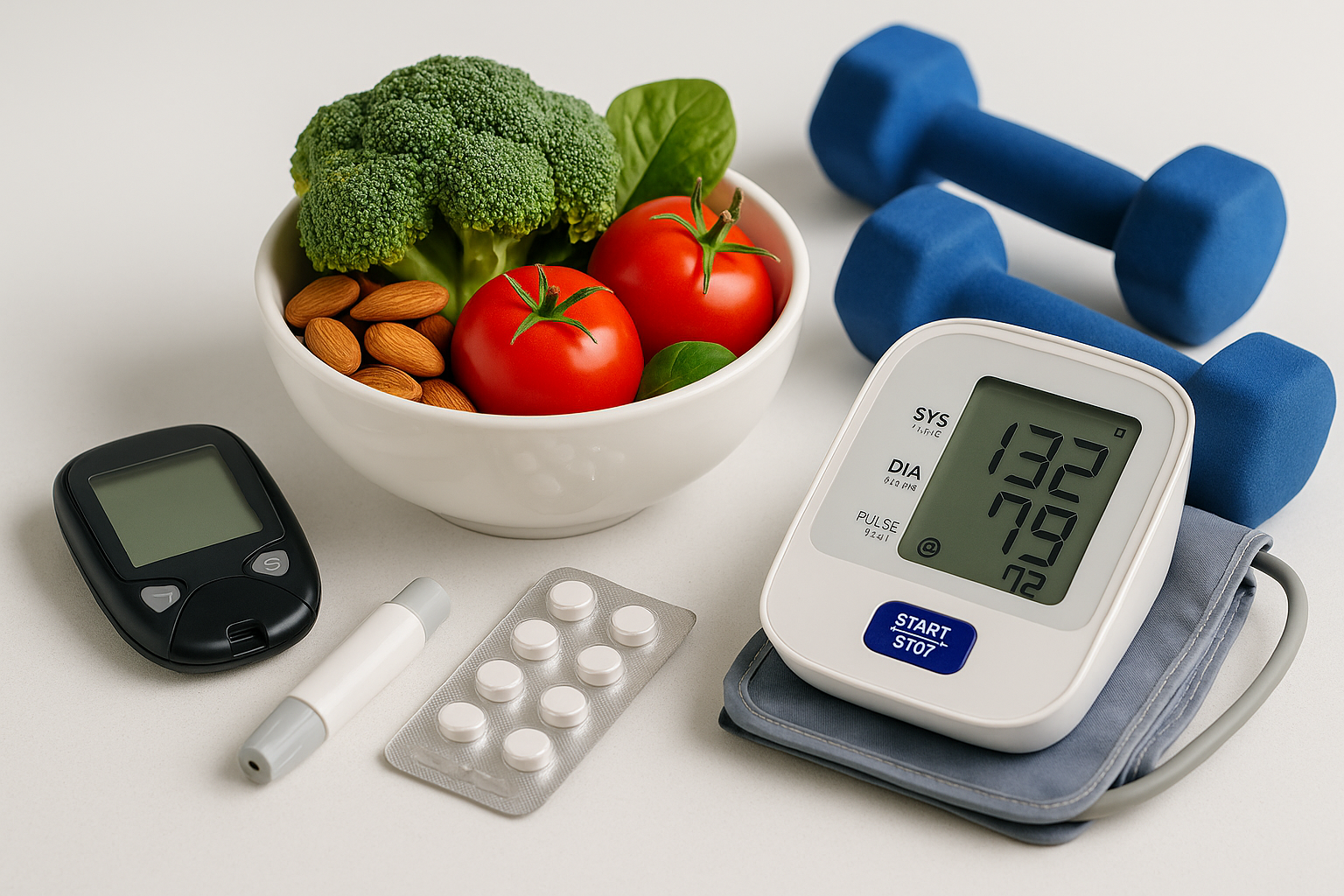
Understanding High Blood Pressure
High blood pressure, also known as hypertension, is a common condition where the force of the blood against your artery walls is high enough that it may eventually cause health problems, such as heart disease. As of 2026, 1 in 3 adults globally experiences high blood pressure, which makes understanding and managing it essential for maintaining overall health.
To effectively manage this condition, it's crucial to be aware of the best treatments available today. This guide provides insights into the top five treatments for high blood pressure, offering a comprehensive picture of options that can help you take control of your heart health.
Top 5 Best Treatments for High Blood Pressure
1. Lifestyle Modifications
The foundation of managing high blood pressure often starts with lifestyle changes. These modifications can have a profound impact on your blood pressure levels and overall health.
- Dietary Changes: Adopting a heart-healthy diet, such as the DASH (Dietary Approaches to Stop Hypertension) diet, which emphasizes fruits, vegetables, whole grains, and low-sodium foods, can effectively lower blood pressure.
- Physical Activity: Regular exercise, such as 150 minutes of moderate aerobic activity or 75 minutes of vigorous activity each week, is recommended to help reduce blood pressure.
- Weight Management: Achieving and maintaining a healthy weight is vital. Even a small amount of weight loss can help lower blood pressure.
- Alcohol and Smoking: Limiting alcohol consumption and quitting smoking are critical steps in managing high blood pressure effectively.
2. Medication
In many cases, lifestyle changes alone are not enough to control high blood pressure, and medication may be necessary. Here are some common types of hypertension medications:
- ACE Inhibitors: These help relax blood vessels by blocking the formation of a hormone that narrows blood vessels (e.g., Lisinopril).
- Calcium Channel Blockers: These medications prevent calcium from entering heart cells and arteries, which eases arterial tension and lowers blood pressure (e.g., Amlodipine).
- Diuretics: Often referred to as "water pills," these help the kidneys eliminate sodium and water from the body, reducing blood volume (e.g., Hydrochlorothiazide).
- Beta-Blockers: These reduce the heart rate and the heart's output of blood, lowering blood pressure (e.g., Metoprolol).
For more detailed information on medications, you can visit American College of Cardiology.
3. Stress Management Techniques
Chronic stress may contribute to high blood pressure, making stress management a key component in hypertension treatment.
- Meditation and Mindfulness: Regular practice of meditation can reduce stress and lower blood pressure.
- Yoga and Tai Chi: Both practices combine exercise with meditative and breathing elements and have been found to reduce blood pressure levels.
- Deep Breathing Exercises: These exercises can activate the parasympathetic nervous system, promoting relaxation and reducing blood pressure.
4. Monitoring and Regular Check-Ups
Regular monitoring of your blood pressure is critical to treatment success. Home blood pressure monitors are widely accessible and easy to use. Keeping a record of your readings can help your healthcare provider tailor your treatment plan effectively.
Scheduling routine check-ups with your healthcare provider ensures that your treatment plan is effective and allows for adjustments if necessary. According to research in 2026 (source: World Health Organization), regular monitoring can increase treatment success by 25%.
5. Alternative Therapies
Alternative approaches, often used in conjunction with conventional treatment, have gained popularity in managing high blood pressure.
- Herbal Supplements: Some supplements like garlic, hawthorn, and omega-3 fatty acids have shown promise in lowering blood pressure. Consult your healthcare provider before starting any supplement regimen.
- Acupuncture: Some studies suggest acupuncture can help lower blood pressure, although more research is needed to understand its full effects.
Conclusion
Managing high blood pressure is a multifaceted approach that requires attention to lifestyle, medication, and regular monitoring. The treatments outlined above reflect current best practices and offer individuals a solid foundation for controlling their hypertension. By staying informed and proactive, you can effectively manage your blood pressure and maintain a healthy lifestyle.
For further reading, visit CDC's Blood Pressure Information for the latest insights and guidelines.