The Ultimate 2026 Guide to ASPCA Pet Health Insurance Coverage
Discover the ins and outs of ASPCA Pet Health Insurance in our comprehensive 2026 guide. Learn how full coverage plans work, what benefits they offer, and how they can support your pet's wellbeing. Get insights into choosing the right ASPCA Pet Health Insurance plan that may suit your needs.
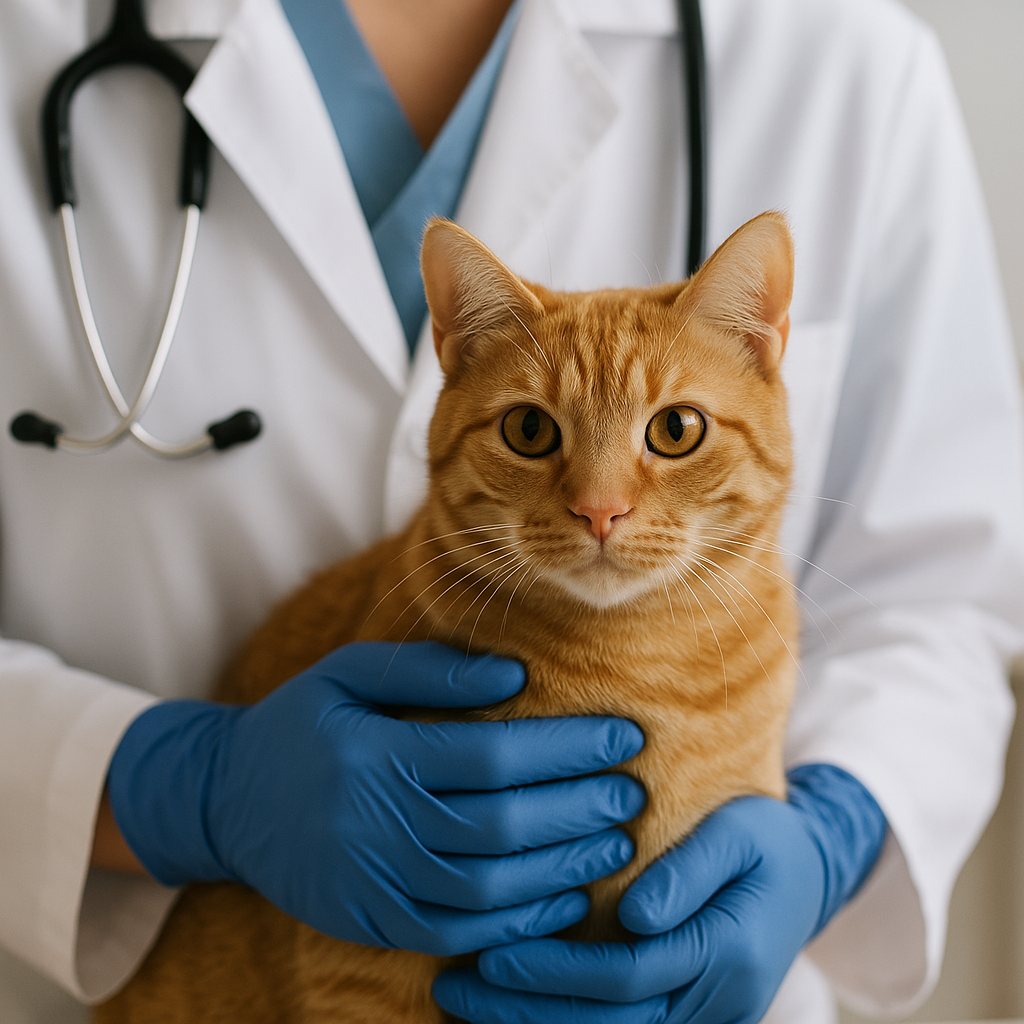
Understanding ASPCA Pet Health Insurance
As pet owners, ensuring the health and well-being of our furry family members is a top priority. One way to safeguard their health is through pet insurance. Among the various providers, ASPCA Pet Health Insurance stands out for its comprehensive coverage options and commitment to animal welfare. This article will explore the nuances of ASPCA Pet Health Insurance, focusing on the full coverage guide for 2026.
What is ASPCA Pet Health Insurance?
ASPCA Pet Health Insurance is designed to help pet owners manage the costs of veterinary care. Offered by the American Society for the Prevention of Cruelty to Animals (ASPCA) in collaboration with Crum & Forster Pet Insurance Group, this plan provides a safety net to cover unexpected medical expenses for pets.
Why Consider Pet Insurance?
The importance of pet insurance parallels that of human health insurance. It provides financial support during emergencies, accidents, or illnesses, ensuring that your pet receives timely and appropriate medical care.
- Financial Security: Helps mitigate unexpected veterinary bills which can quickly become costly.
- Comprehensive Care: Allows you to focus on what’s best for your pet without the burden of cost-related decisions.
- Prevention of Economic Euthanasia: Provides pet owners the means to afford treatments that might otherwise be financially out of reach.
Full Coverage Guide for 2026
The ASPCA Pet Health Insurance for 2026 offers various plans tailored to fit different coverage needs and budgets. Here's what you can expect from their full coverage options:
What Does Full Coverage Include?
Full coverage typically extends beyond basic accident and illness plans. It includes a wide array of potential health services:
- Accident and Illness Coverage: Covers costs associated with accidents, injuries, and illnesses, including chronic conditions.
- Hereditary and Congenital Conditions: Provides for conditions that may be present at birth or develop as your pet ages.
- Behavioral Issues: Coverage for consults and treatments related to behavioral problems.
- Alternative Therapies: Includes acupuncture and chiropractic care, which can be essential for some pets.
- Prescription Medicine: Helps cover the cost of medications prescribed for covered conditions.
- Routine and Preventive Care: Options for vaccinations, flea/heartworm preventatives, and wellness exams.
Customizing Your ASPCA Plan
One of the advantages of ASPCA Pet Health Insurance is the ability to tailor a plan suited to your pet’s specific needs. You can adjust factors such as:
- Deductibles: Choose from multiple deductible options to suit your financial situation.
- Reimbursement Level: Options to select between 70%, 80%, or 90% reimbursement of veterinary bills.
- Annual Limit: Set an annual coverage limit that reflects your expected usage.
How Much Does It Cost?
The cost of ASPCA Pet Health Insurance varies based on the plan and customization options you select. Factors such as the pet’s species, breed, and age also influence the premium. According to recent trends in 2026, monthly premiums range from $25 to $45 for cats and $35 to $70 for dogs.
You can use the ASPCA's online calculator to get a more personalized quote based on your pet's specific needs. Click here to access the ASPCA Insurance Quote Calculator.
Is ASPCA Pet Health Insurance Right for You?
Choosing the right pet insurance involves weighing the benefits against your pet’s specific health needs and your financial situation. Here are some considerations to help you decide if ASPCA Pet Health Insurance is a good fit:
- Pet Health History: Consider your pet’s health history and hereditary risks.
- Budget: Assess your ability to handle sudden veterinary expenses without insurance.
- Plan Flexibility: Benefit from customizable coverage options.
Real-Life Example
Consider the case of a 5-year-old Labrador named Max. Max slipped on the stairs and severely fractured his leg, requiring surgery and rehabilitation. The total veterinary bill was $3,000. With an ASPCA Pet Health Insurance plan featuring a $500 deductible and 80% reimbursement, Max’s owner paid only $600 out-of-pocket for the procedure. This highlights how insurance can ease the financial burden during unforeseen circumstances.
Conclusion
As we continue into 2026, ASPCA Pet Health Insurance remains a robust option for pet owners seeking comprehensive coverage. Its customizable plans and breadth of covered services provide peace of mind and assurance that your pet will receive the necessary care. To learn more, visit the ASPCA Pet Health Insurance website.