The Ultimate 2026 Guide to Home and Auto Insurance in Canada: What You Need to Know
Navigate the complex world of home and auto insurance in Canada with our 2026 guide. Whether you’re searching for comprehensive policies or seeking tips to optimize your coverage, this article offers valuable insights.
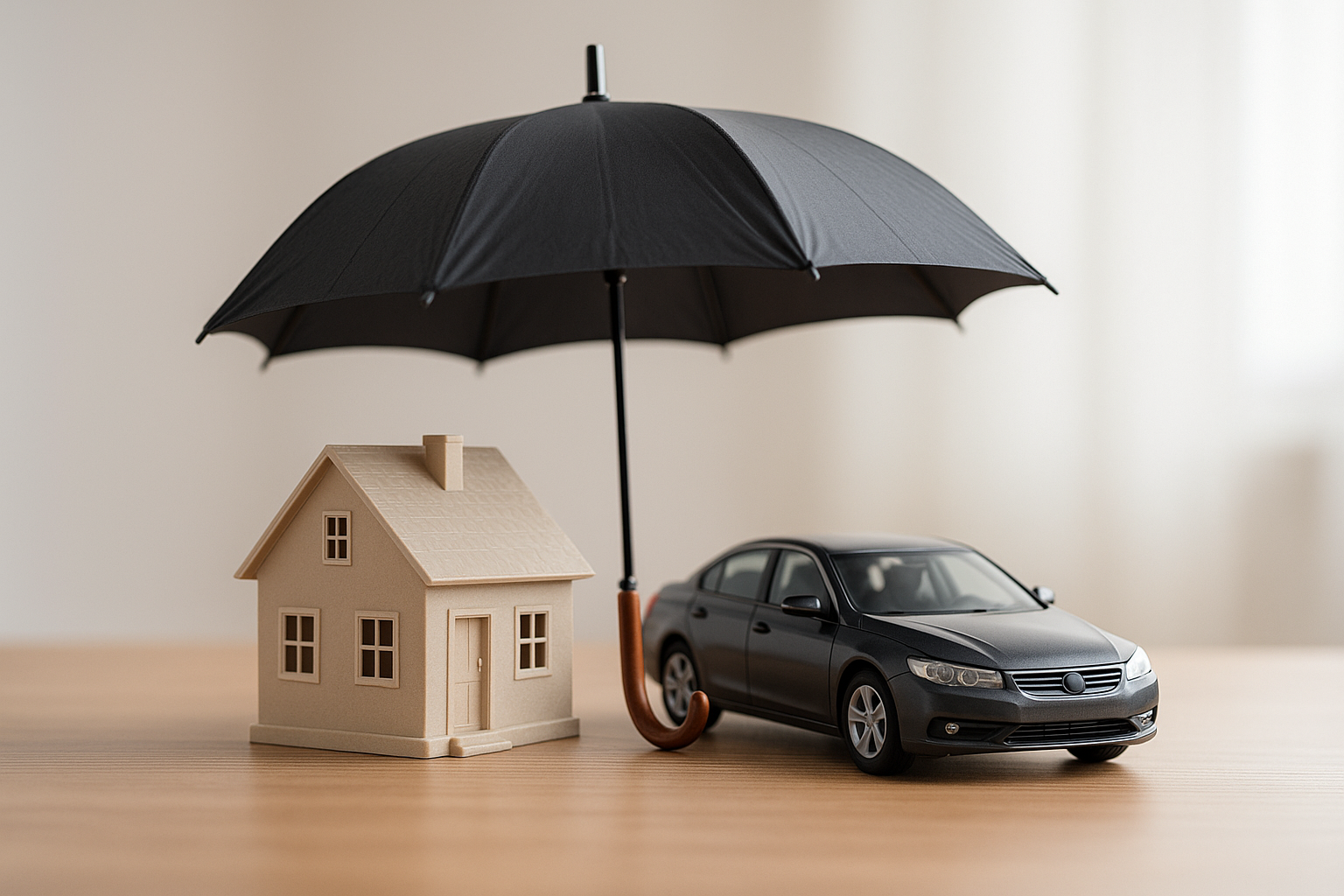
Understanding Home and Auto Insurance in Canada
Home and auto insurance are crucial components of financial planning and risk management for Canadians. By 2026, these insurance sectors have evolved to offer more tailored solutions for consumers. Whether you're a new homeowner or an experienced vehicle owner, understanding the intricacies of these insurance policies can help you make informed decisions to protect your assets.
What is Home Insurance?
Home insurance in Canada generally covers the building of your home, its contents, and liability for accidents that might occur on your property. It's designed to provide peace of mind by safeguarding you against various risks such as fire, theft, and natural disasters.
Types of Home Insurance Policies
- Basic/Named Perils: Covers specific perils listed in the policy.
- Broad: Covers all risks on the building and named perils on contents.
- Comprehensive: Offers protection for both the building and its contents against all perils, except for those specifically excluded.
In 2026, more insurers are offering add-ons like identity theft coverage and green home enhancements for those focusing on eco-friendly living. According to a recent survey by the Insurance Bureau of Canada, nearly 25% of policyholders have added such options to their plans over the past year (Insurance Bureau of Canada).
The Essentials of Auto Insurance
Auto insurance is mandatory across Canada, ensuring that all drivers have at least a basic level of protection. The minimum required coverage includes third-party liability, accident benefits, and uninsured motorist coverage.
Choosing the Right Auto Insurance
- Third-Party Liability: Protects you if you're held legally responsible for an accident causing injury or damage to others.
- Collision Insurance: Covers damage to your own vehicle resulting from a collision with another object or vehicle.
- Comprehensive Insurance: Covers non-collision-related incidents such as theft, vandalism, or weather-related damage.
As driving habits change, especially with the adoption of electric vehicles, insurers are now providing specific rates and benefits for EV owners. This includes discounts for vehicles with advanced safety features and telematics devices that monitor driving behaviors.
Factors Influencing Insurance Premiums
Insurance premiums are determined by several factors, some of which you can control or influence:
- Location: Urban areas generally have higher premiums due to the increased likelihood of accidents and claims.
- Home and Vehicle Value: More valuable properties and vehicles typically incur higher premiums.
- Deductibles: Opting for higher deductibles can lower your premium, but it's important to ensure you can afford the deductible in the event of a claim.
- Claims History: A history of claims might increase your premium, as it indicates higher risk to the insurer.
Top Tips for Buying Home and Auto Insurance
Evaluate Your Coverage Needs
Regularly reviewing your coverage ensures it evolves with your needs. If you've made home renovations or purchased a new vehicle, update your policy accordingly. Tools like the Insurance Hotline can help compare quotes across providers.
Bundle Your Policies
Many insurers offer discounts when you combine home and auto insurance. This can be an effective way to save money while maintaining comprehensive coverage. In fact, recent data suggests bundling can reduce premiums by up to 15%.
Improve Home and Auto Security
Enhancing security through alarm systems, smoke detectors, and anti-theft devices for your car can significantly reduce insurance costs. The 2026 report from PolicyAdvisor highlights that over 30% of Canadians have leveraged security improvements for discounts (PolicyAdvisor).
Conclusion
Home and auto insurance in Canada for 2026 is more than just a protective measure; it's a dynamic financial tool that, when optimized, can provide comprehensive coverage tailored to your lifestyle and financial goals. By understanding your options, evaluating needs, and staying informed about the latest trends in the insurance market, you can ensure your assets are well-protected while also optimizing costs.
https://www.ibc.ca/insurance-basics/home
https://www.ibc.ca/insurance-basics/home/types-of-home-insurance-coverage
https://www.canada.ca/en/financial-consumer-agency/services/insurance/home.html
https://www.rates.ca/insurance-quotes/home-auto-insurance-bundle
https://www.ratehub.ca/insurance
https://www.tdinsurance.com/products-services/auto-home-insurance
https://www.rbcinsurance.com/en-ca/auto-car-insurance/home-and-auto-insurance-savings/
https://www.intact.ca/en/personal-insurance/vehicle/bundle
https://www150.statcan.gc.ca/n1/pub/11-621-m/11-621-m2025003-eng.htm