The Ultimate Buying Guide for Choosing Security Cameras in Apartment Complexes
Explore the essentials of choosing commercial security cameras for apartments with our comprehensive buying guide. Learn how to enhance security with options that fit diverse needs. Uncover the latest trends and factors to consider when selecting the right cameras for apartment complexes.
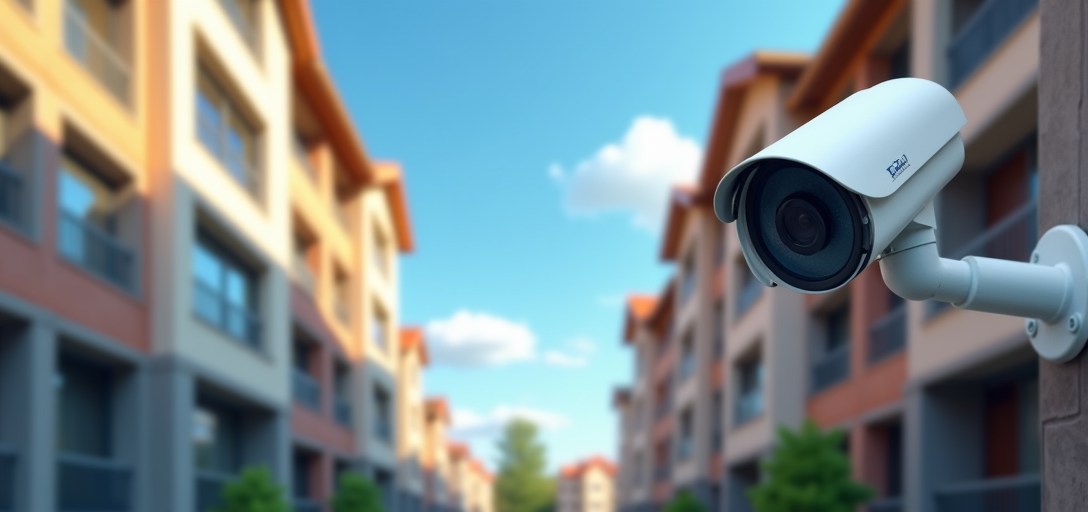
Why Invest in Commercial Security Cameras for Apartments?
In today's world, safety and security are paramount, especially in shared living spaces like apartments. As the population in urban areas continues to grow, more people are opting to live in multi-family housing units. Consequently, apartment complexes are becoming a breeding ground for various criminal activities if not properly secured, making commercial security cameras a necessary investment.
In 2026, statistics showed that property crime accounted for over half of the reported crimes in urban areas across the United States. [FBI Crime Data] This influx highlights the need for comprehensive surveillance systems to safeguard tenants and property.
Deterrence of Crime
The mere presence of security cameras in an apartment complex can significantly deter potential criminals. Surveillance cameras are known to reduce the likelihood of theft, vandalism, and other criminal activities as they increase the risk of culprits being apprehended and prosecuted.
Peace of Mind for Residents
Providing a secure environment for tenants enhances their quality of life and satisfaction with the management. In 2026, residents expressed that feeling secure in their homes was a top priority, influencing their choice of apartment complexes. [National Property Management Report]
Key Features to Consider When Buying Security Cameras
Choosing the right security cameras for an apartment complex can be daunting. Below are key aspects to consider:
Resolution and Image Quality
High-resolution cameras are essential to capture clear images that can identify individuals or incidents. Modern cameras typically offer resolutions from 1080p to 4K, allowing detailed video feeds, even in large or poorly lit areas.
Weatherproofing and Durability
Outdoor cameras need to withstand various weather conditions. Look for cameras with a high IP rating, ensuring they are waterproof and dust-resistant. This durability extends the camera's life and reliability.
Night Vision and Low Light Performance
Surveillance doesn’t stop at night, so investing in cameras with infrared or low-light capabilities ensures clear footage around-the-clock, whether day or night.
Field of View
Wider angles capture more area and reduce the number of cameras needed. A camera with a broader field of view reduces blind spots, ensuring comprehensive coverage of parking lots or courtyards.
Types of Commercial Security Cameras
Understanding the different types of security cameras can help in making the right choice:
Bullet Cameras
These are long and cylindrical, excellent for long-distance viewing. They are typically used outdoors and are highly visible, which acts as a deterrent.
Dome Cameras
Named for their dome-shaped housing, these cameras are less obtrusive than bullet cameras and are suitable for both indoor and outdoor use. They often blend with interior décor and can cover wider areas with a 360-degree view.
PTZ Cameras
(Pan-Tilt-Zoom) cameras allow for remote control, offering flexibility in zooming into an area or panning across a location. PTZ cameras are perfect for monitoring large spaces.
Wireless Cameras
These cameras connect to the cloud or local storage via Wi-Fi, reducing wiring needs and allowing for easier installation. However, ensure they have robust cybersecurity features to protect against hacking.
Legal and Ethical Considerations
Implementing a surveillance system must also comply with U.S. laws to preserve privacy rights.
Privacy Concerns
It’s crucial to balance security needs with privacy rights. Cameras should not be placed in areas where privacy is expected such as restrooms or in front of apartment windows.
Legal Compliance
Ensure that the surveillance system is compliant with local, state, and federal regulations. Signage informing residents and visitors of surveillance is both legally mandated and ethically courteous.
Budgeting and Cost Analysis
As with any security investment, budgeting intelligently is essential. Costs can vary depending on the camera type, installation, and additional maintenance fees. Here are a few budgeting tips:
- Start with a comprehensive security assessment to determine the exact number and type of cameras needed.
- Consider the total cost of ownership, including installation, potential repairs, and regular updates.
- Investigate potential insurance discounts, as some providers offer lower premiums for properties with robust security measures in place.
Buying in bulk and negotiating with suppliers can also lead to discounts, making it more cost-effective to secure your apartment complex.
Conclusion
Investing in commercial security cameras for apartments not only elevates security levels but also enhances overall tenant satisfaction by creating a safer living environment. Understanding the types and features of security cameras and balancing them against budgetary and legal constraints ensures that property managers make informed decisions tailored to their specific needs. As crime continues to urbanize, staying one step ahead with cutting-edge surveillance technology is crucial.