The Ultimate Guide to Accessing Private Island Beaches in the USA
Discover the allure of private island beaches in the USA as we explore how visitors can experience these secluded paradises. While access varies, certain private island beaches offer unique opportunities for adventure seekers.
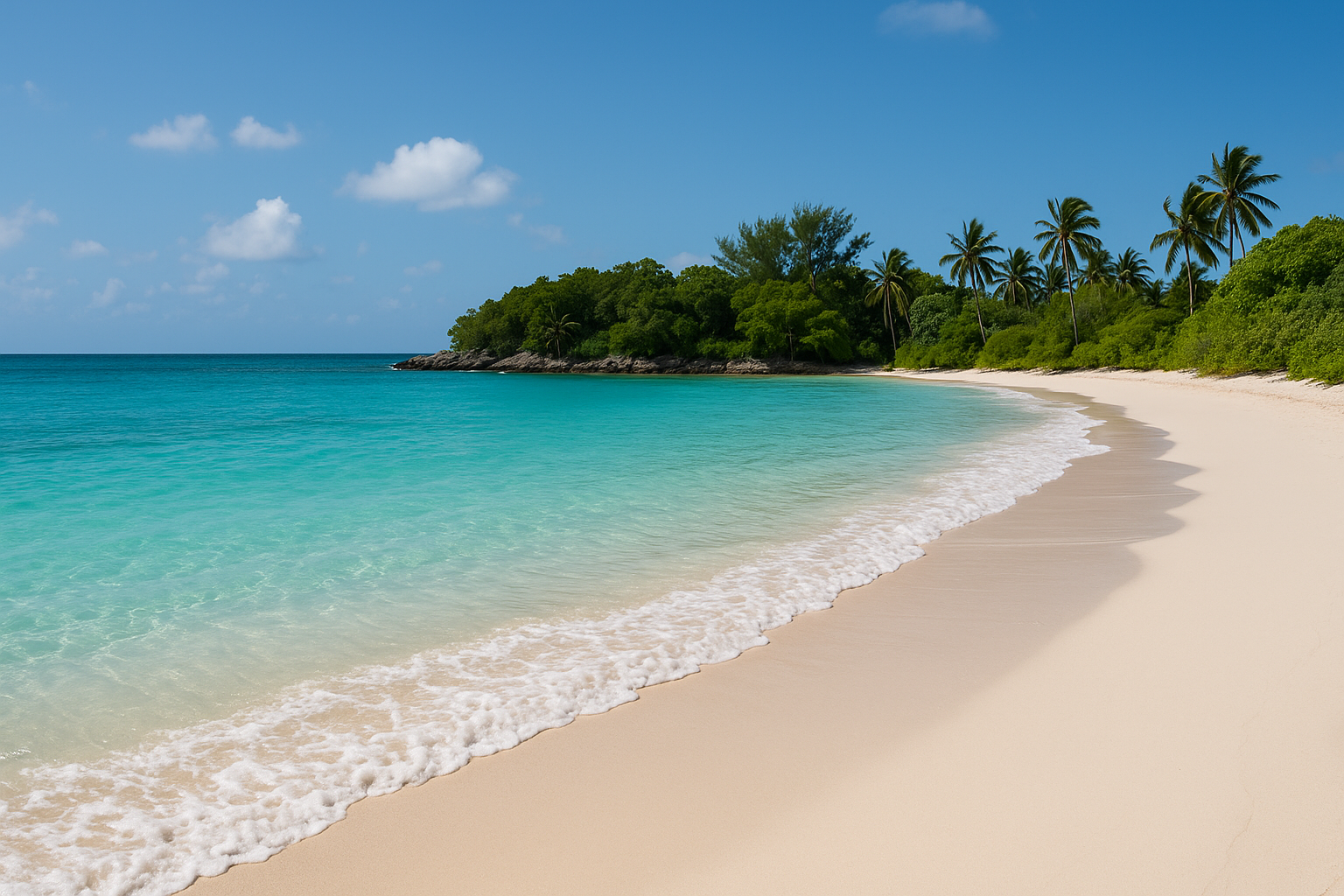
Exploring Private Islands in the USA
The allure of private island beaches in the United States often comes with an air of exclusivity. Many dream of lounging on pristine shores far from crowded public beaches. But can you actually visit these private island beaches? The short answer is yes, albeit with some caveats.
What Are Private Island Beaches?
Private island beaches are beaches located on islands that are privately owned. These islands can range from small, secluded retreats to large, luxurious estates. Owners may include celebrities, business moguls, or even wealthy individuals who prefer privacy. While these beaches offer stunning natural beauty and seclusion, access is often limited.
How Can You Visit These Beaches?
Gaining access to private island beaches can be challenging, but there are several methods through which visitors might be allowed:
- Stays at Luxury Resorts: Some private islands host luxury resorts. Guests are typically granted beach access as part of their stay. Notable examples include Little Palm Island in Florida and The Cloister on Sea Island, Georgia.
- Renting the Island: Certain private islands can be rented out for short-term stays. This option may suit families or groups willing to invest in a unique getaway experience.
- Day Passes: In some cases, island owners may sell day passes to tourists. This is more common when the island is partially commercialized or during off-peak seasons to cover maintenance costs.
- Tours and Excursions: Guided tours may offer a peek into some of the more accessible private islands, often linked to historical events or ecological preservation efforts.
Legal Considerations
Ownership rights make accessing private island beaches complicated. Trespassing laws vary by state, but generally, crossing onto private property without permission can result in fines or other penalties. It is crucial to understand the legal boundaries and acquire explicit permissions or passes when planning a visit to any private island.
Notable Private Islands Open to the Public
While most private islands prioritize seclusion and restricted access, several do offer public access under specific conditions:
- Hilton Head Island, South Carolina: Although not entirely private, certain areas of Hilton Head are exclusive. Resorts such as Palmetto Dunes Oceanfront Resort offer packages that include beach access.
- Mackinac Island, Michigan: A well-loved destination, this island is famous for its lack of motor vehicles and picturesque environments. While technically open to the public, some segments are privately owned and require permissions for access.
- Thimble Islands, Connecticut: These are a group of small islands, some of which are privately owned. Boat tours provide access and views, although stepping onto private properties generally requires permission.
Environmental and Cultural Impact
Visiting private island beaches responsibly means understanding the environmental and cultural nuances involved. Many islands are habitats for unique wildlife and plants, some of which might be endangered. Visitors should adhere to the leave-no-trace principles and respect local customs and regulations.
Recent Trends and Data
According to a 2026 tourism study published by the International Association of Travel and Tourism [link to source], there's been a 15% increase in private island bookings compared to 2025. This suggests a growing interest in secluded and exclusive travel experiences. Moreover, travel agencies have reported that luxury and sustainable travel markets are working together to offer environmentally-friendly and culturally sensitive island visits.
Another trend is the integration of technology with tourism. Smart planning via apps and digital guides helps potential visitors tailor their experiences to suit their preferences and ensure they comply with access laws and environmental guidelines. Recent developments, such as real-time booking confirmations and virtual tours, make planning private island visits more feasible and accessible.
Conclusion
While visiting private island beaches in the USA presents several challenges, it is not impossible. Through resort stays, rentals, guided tours, or day passes, visitors can enjoy these exclusive hideaways responsibly. As the popularity of private islands rises, understanding the legalities and ethics involved becomes even more crucial to preserving these serene environments for future generations.