The Ultimate Guide to Choosing Between DeWalt and Milwaukee Power Tools
Before making your next tool purchase, explore how DeWalt and Milwaukee power tools compare in features and reliability. This guide helps you understand key differences without the hassle, ensuring you make an informed choice.
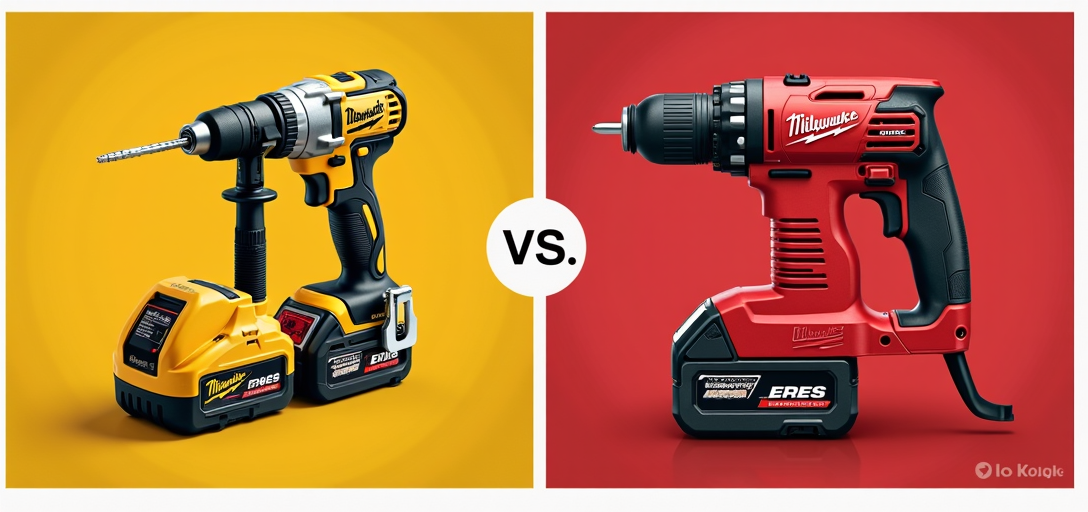
Understanding DeWalt and Milwaukee: A Power Tool Overview
When it comes to power tools, DeWalt and Milwaukee are two brands that consistently top the list for professionals and DIY enthusiasts alike. Both brands have a long-standing reputation for producing high-quality, durable, and reliable tools. But what sets them apart, and how do you decide which one is right for your toolkit? In this guide, we'll explore the features, performance, and unique offerings from both brands to help you make an informed decision.
Brand Backgrounds: DeWalt and Milwaukee
DeWalt, a subsidiary of Stanley Black & Decker, was founded in 1924. Known for its distinctive yellow and black design, DeWalt has become synonymous with power, toughness, and durability. Its tools are widely used in construction and industrial settings, as well as by hobbyists.
On the other hand, Milwaukee Tool, established in 1924, is part of Techtronic Industries. Milwaukee is renowned for innovation and creating industry-first advancements, particularly in cordless technology. Their red tools are a staple on job sites across America for their reliability and performance.
Key Features Comparison
Power and Performance
Both DeWalt and Milwaukee offer an extensive range of tools that cater to a wide variety of applications. In 2026, Tool Review Source reported that Milwaukee's M18 Fuel series leads the market with advanced brushless motor technology, delivering unmatched power and torque, ideal for heavy-duty applications.
DeWalt's XR brushless motor line, however, has been praised for its robustness and efficient power output, making it suitable for construction and other demanding tasks. Their FlexVolt system brings unique versatility, with batteries that automatically change voltage when you change tools.
Battery Technology
In today’s cordless tool world, batteries are crucial. DeWalt’s FlexVolt technology, introduced in recent years, has revolutionized how batteries adapt, offering both 20V and 60V capabilities. This versatility ensures tools can tackle smaller jobs efficiently and power through larger tasks when needed.
Milwaukee's REDLITHIUM batteries are celebrated for their enduring run-time and durability, even in extreme environments. According to Battery Specs 2026, these batteries have set the standard for longevity, outlasting most competitors.
Tool Durability and Build Quality
For professionals demanding resilience, both brands deliver. DeWalt tools are commonly praised for their robust build and ability to withstand rugged conditions, cementing their place in construction and heavy industry. Their tools often feature all-metal gear cases, extending tool life.
Milwaukee, conversely, invests heavily in innovation and technology to enhance tool longevity. Their tools often include advanced features like temperature and overload protection to prevent wear and ensure durability.
User Experience and Ergonomics
In 2026, consumer feedback aggregated by Tool User Reviews emphasized ergonomics as a critical factor. DeWalt tools feature rubberized handles and impressive balance, minimizing user fatigue during prolonged use.
Milwaukee tools, while slightly heavier, integrate advanced design techniques to distribute weight evenly, resulting in reduced strain. Their focus on user control with variable speed triggers enhances precision tasks.
Price and Value for Money
When assessing price, DeWalt tends to offer competitive pricing across its range of tools, ensuring accessibility without compromising quality. This brand is often favored by budget-conscious consumers seeking reliable performance.
Milwaukee tools generally come with a higher price tag, reflecting their premium build, cutting-edge technology, and innovative features. The value, however, is in their longevity and advanced capabilities, making them a worthy investment for professionals.
Warranties and Customer Support
DeWalt offers a standard three-year limited warranty on most of their tools, with one year of free service and a 90-day money-back guarantee, providing reassurance to consumers about their purchases.
Milwaukee matches this with a five-year warranty on many of their power tools, showing confidence in their products' durability and solid customer service backing. This warranty often includes tool replacement or repair at no additional cost.
Conclusion: Which Brand Suits Your Needs?
Ultimately, the choice between DeWalt and Milwaukee depends on your specific needs and preferences. If you're looking for comprehensive battery versatility, ergonomic design, and value, DeWalt might be your brand. Alternatively, if cutting-edge technology, robust performance, and expansive warranties are your priorities, Milwaukee stands out as a top contender.
Evaluating what you prioritize in a tool—be it power, battery life, price, or innovation—will guide you to the right decision. Both brands represent the zenith of power tools in the industry, ensuring you can't go wrong whichever you choose. Always consider your project demands and long-term use when making your selection.