The Ultimate Guide to Choosing the Perfect Tire Size for Your Vehicle
Navigate the nuances of selecting the right tire size for your car with our insightful guide. Discover tips and resources to ensure your vehicle's safety and performance aren't compromised.
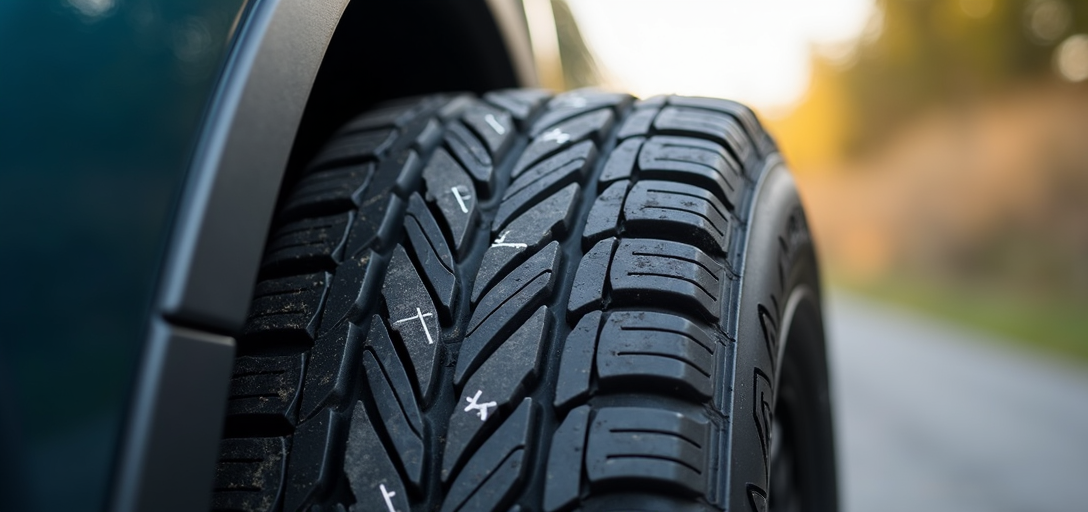
Understanding Tire Size
When it comes to maintaining your car's performance and safety, understanding the right tire size is crucial. Tires are not just rubber circles; they're a critical component of your vehicle that affects handling, fuel efficiency, and even your car's overall lifespan. But how do you determine the right tire size? Here, we will guide you through understanding tire sizes, reading tire markings, and selecting the best fit for your ride.
What Do the Numbers and Letters on a Tire Mean?
Tires come with a specific set of numbers and letters on their sidewalls which indicate their size and type. A common tire size might read P215/65R15. Each part of this code carries specific information:
- P: Stands for “P-metric” which indicates it's a passenger vehicle tire. Tires designed for light trucks might start with “LT” instead.
- 215: This is the width of the tire in millimeters. It measures from sidewall to sidewall.
- 65: This is the aspect ratio. It represents the height of the sidewall as a percentage of the tire’s width. In this case, the sidewall is 65% of 215mm.
- R: Signifies the tire’s construction type; “R” means radial, which is the most common type of tire construction.
- 15: This is the diameter of the wheel in inches that the tire is designed to fit.
Why Proper Tire Sizing Matters
Choosing the correct tire size is not just a matter of fitting new shoes on your car. Properly sized tires ensure optimal performance, safety, and fuel efficiency.
Performance and Handling
Correct tire sizing impacts how your car grips the road, handles turns, and responds to steering. Using improperly sized tires can lead to poor handling and stability, especially in adverse conditions.
Fuel Efficiency
Tire size also affects fuel efficiency. Larger tires require more energy to rotate, which can lead to higher fuel consumption. According to a 2026 study by the American Automotive Association, correctly sized tires can improve fuel efficiency by up to 4%. (Source: AAA)
Safety Considerations
Safety is paramount when it comes to tires. Using the wrong size can lead to tire rubbing against the vehicle’s body or suspension components, potentially causing blowouts or accidents. Additionally, mismatched tire sizes across axles can affect braking performance.
How to Find Your Car's Correct Tire Size
Finding the right tire size for your car involves a few simple steps. Here’s how you can ensure you get the perfect fit:
Check the Vehicle’s Manual
Every vehicle comes with a manual that lists recommendations for tire sizes. This should be your first reference point. The information is usually found in the section about tire and wheel specifications.
Look at the Placard Inside Your Car
Most vehicles have a placard located on the driver’s side door jamb that lists the original tire size and recommended tire pressure. This is an easy and quick place to check for the correct size. Verify the size matches your vehicle's current tires for consistency.
Consult Tire Professionals
If you are unsure, consult with a tire specialist. Tire shops have trained professionals who can give expert advice on the suitable tire sizes and types for your car model.
Real-World Example: Common Tire Sizes in the US
In 2026, some of the most common tire sizes in the US, particularly for sedans and SUVs, include:
- 225/65R17: Common for many mid-sized SUVs.
- 195/65R15: Widely used for compact cars and sedans.
- 245/60R18: A standard size for some larger SUVs and crossover vehicles.
These sizes offer a balance between comfort, performance, and efficiency, but it's crucial to refer to your specific vehicle's recommendations.
Conclusion
Selecting the right tire size is essential for your car's safety, performance, and efficiency. By understanding the numbers and letters on your tires, consulting your vehicle manual, or seeking professional advice, you can ensure that you are choosing the best possible tires for your vehicle. Make informed choices to keep your journeys smooth and secure.
For further reading, you can visit the National Highway Traffic Safety Administration's site for tire safety tips and resources (NHTSA).