The Ultimate Guide to Choosing the Right Tires for Your Car
Are you wondering how to shop for tires that fit your car? In our latest guide, we explore top tips for selecting the right tires while understanding crucial tire specifications. Discover options to enhance your car's performance and safety.
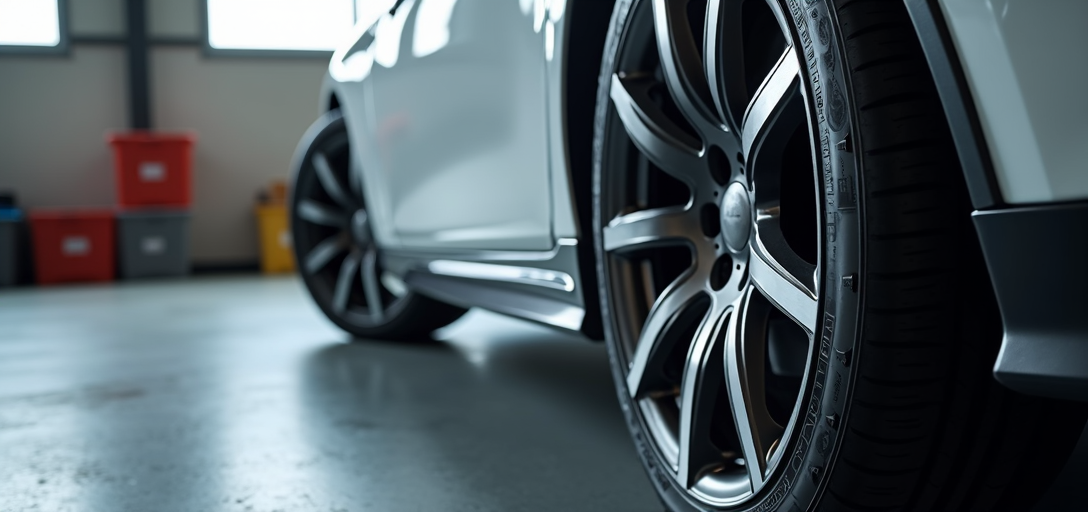
Understanding Tire Specifications
Shopping for tires that fit your car can be a daunting task if you're not familiar with tire specifications. Tires come with numbers and letters printed on their sidewalls, which provide key information about the tire's size, type, and performance capabilities. Understanding these markings is crucial for selecting the right tires for your vehicle.
Deciphering Tire Size Numbers
Typical tire size notation looks like this: P215/65R15. Here's what each component means:
- P: Refers to passenger vehicles. Other possible letters include "LT" for light trucks.
- 215: Indicates the tire's width in millimeters from sidewall to sidewall.
- 65: Refers to the aspect ratio or profile. It is the height of the tire's cross-section as a percentage of its width.
- R: Stands for radial construction, which is the standard for modern tires.
- 15: This is the wheel diameter, measured in inches, that the tire is designed to fit.
Load Index and Speed Rating
The load index and speed rating are also important when choosing tires:
- Load Index: A number that indicates the maximum weight the tire can support. This must meet or exceed your vehicle's requirements.
- Speed Rating: Represented by a letter, it indicates the maximum safe speed a tire can sustain under optimal conditions. These range from "L" for a max speed of 75 mph to "Y" for speeds up to 186 mph.
Types of Tires and Their Suitability
Different types of tires are designed for various conditions and vehicle types. Choosing the right one involves understanding your driving habits and the typical conditions you'll face.
All-Season Tires
These are designed to perform reasonably well in a variety of conditions, including wet and dry roads, as well as light winter conditions. They're ideal for drivers in regions with moderate weather.
For instance, all-season tires might be a good fit for drivers in states like North Carolina where the climate tends to be mild (source: North Carolina Climate Office).
Winter Tires
These tires are built to provide superior traction in snow and ice. In states with heavy snowfall like Michigan or parts of New York, winter tires can significantly enhance safety during cold months.
Performance Tires
If you drive a sports car or enjoy spirited driving, performance tires might suit you. They are designed to provide excellent handling and grip at higher speeds.
Off-Road Tires
Off-road tires are ideal for adventurers who frequently drive on unpaved paths. With their aggressive tread patterns, they offer superior traction in mud and rugged terrain.
Where to Buy Tires
Once you've identified the right type and size, you need to decide where to purchase your tires. Here are a few options:
Online Retailers
Websites like Tire Rack and Discount Tire offer extensive selections and competitive pricing. They provide customer reviews and expert advice, making it easier to compare different models (source: Statista).
Local Dealerships
Your local automotive dealership may also offer tires, and they often provide installation services. This can be a convenient option if you prefer in-person purchasing and support.
Independent Retailers
Independent tire shops may offer personalized service and knowledgeable staff. Consider supporting local businesses, as these shops often participate in community events and offer competitive pricing.
Installation and Maintenance Considerations
Professional Installation
Having your tires installed by a professional is recommended. They use specialized equipment to ensure proper mounting and balancing, which is critical for safety and performance.
Regular Maintenance
To extend the life of your tires, maintain proper inflation, rotate them regularly, and ensure your vehicle's alignment is checked. According to the National Highway Traffic Safety Administration (NHTSA), regularly maintained tires can significantly reduce the risk of accidents and improve fuel efficiency.
Conclusion
Shopping for tires that fit your car involves understanding tire specifications, selecting the suitable type based on your driving needs, and choosing a reliable vendor. Once purchased, proper installation and regular maintenance ensure your tires perform at their best and last as long as possible. By following this guide, you'll make an informed decision that enhances the safety and performance of your vehicle.