The Ultimate Guide to Successfully Selling Your Home in Dallas, TX
Discover effective strategies to sell a house in Dallas, TX, even in a competitive market. Learn how to highlight your property's unique features and appeal to local buyers' interests.
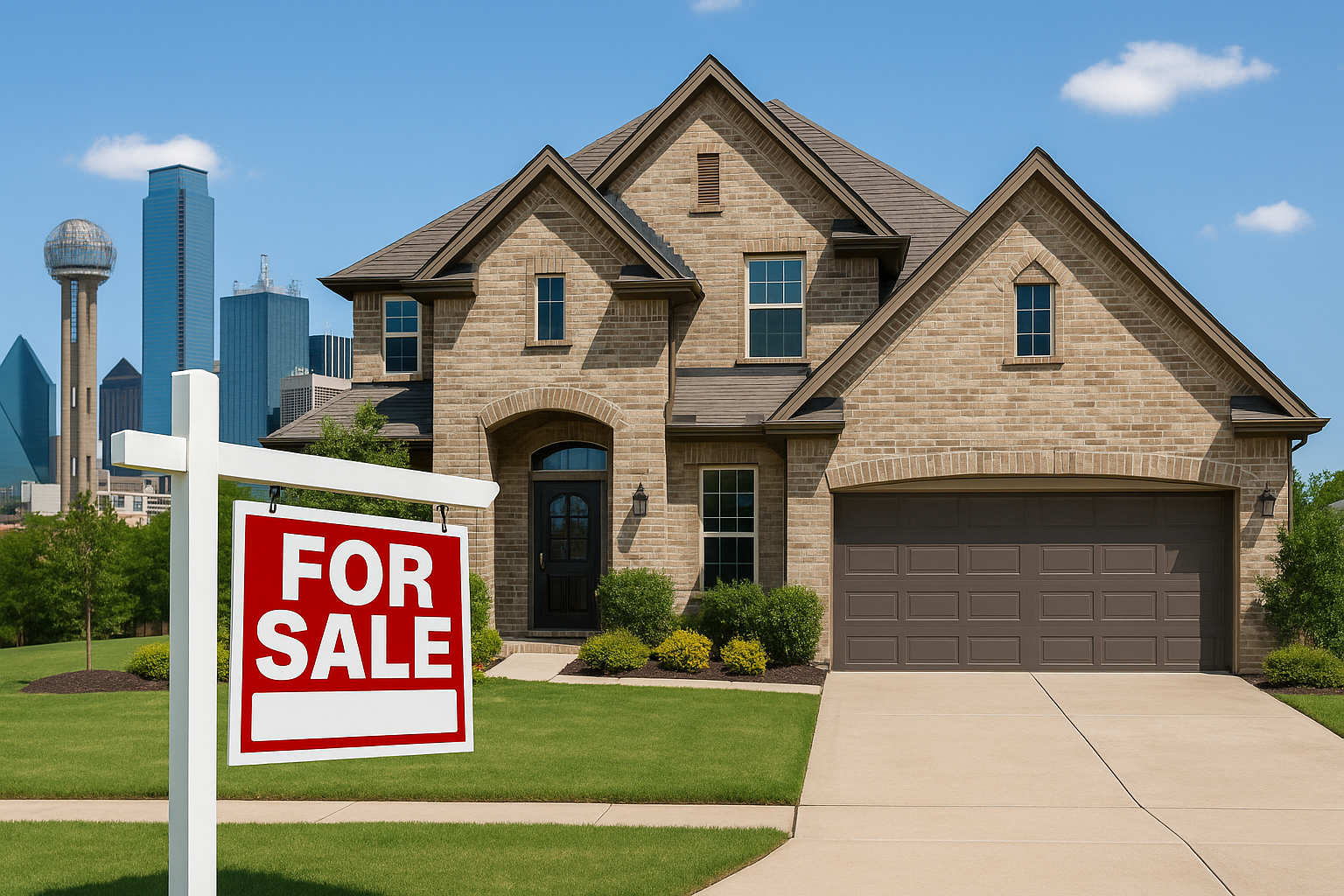
Understanding the Dallas Real Estate Market
Selling a house in Dallas, TX, requires a solid understanding of the local real estate market. Dallas is known for its diverse economy, thriving job markets, and appealing neighborhoods. In 2026, the real estate market in Dallas has been marked by steady growth, with a significant demand for residential properties. This is partly due to the city's continuing population increase and developments that have made it an attractive location for families and professionals alike.
According to recent data from the Dallas Central Appraisal District, home values have appreciated by approximately 5% over the last year, reflecting the continued strength of the Dallas housing sector. To successfully sell your home in this vibrant market, it's crucial to understand the dynamics at play. Factors affecting home sales include location, property condition, and the current inventory levels. You can find more detailed analysis and statistics on platforms like Zillow and Realtor.com for the latest trends and insights.
Factors Influencing Home Prices in Dallas
- Location: Proximity to business districts, schools, and amenities plays a vital role in determining a home's value.
- Market Demand: A higher demand or limited supply can drive up prices substantially.
- Local Economy: Dallas hosts several major corporations, enhancing job opportunities and, consequently, housing demand.
Steps to Preparing Your Dallas Home for Sale
Preparation is key to a successful home sale. From setting a realistic price to staging your home for potential buyers, each step requires careful consideration and execution.
Pricing Your Home Correctly
Determining the right listing price for your home is crucial. Overpricing can deter potential buyers, while underpricing might mean sacrificing potential profit. Utilize a comparative market analysis (CMA) to assess similar properties in your area. These analyses are often provided by real estate agents or accessible through platforms like Redfin.
Enhancing Curb Appeal
The first impression of your home can significantly impact its saleability. Simple enhancements such as fresh paint, well-maintained gardens, and clean driveways can make a remarkable difference. According to a 2026 survey by HomeLight, homes with great curb appeal sold for an average of 7% more than similar properties with less appeal.
Staging and Repairs
Staging your home can help potential buyers envision themselves living in the space. This might include decluttering, rearranging furniture for optimal flow, and updating decor to be neutral and appealing. Addressing any minor repairs or maintenance issues also sends the message that the home is well cared for.
Marketing Your Dallas Home
In a competitive market like Dallas, marketing your home effectively can ensure it stands out. Leveraging both digital platforms and traditional marketing methods are essential.
Photography and Virtual Tours
High-quality photos and virtual tours can make a significant impact on attracting potential buyers. According to a study by the National Association of Realtors, homes with professional photography sell 32% faster than those without.
Leveraging Social Media and Online Listings
Listing your home on popular real estate websites such as Zillow, Trulia, and Realtor.com is essential. Additionally, using social media platforms like Facebook and Instagram can reach a broader audience. Paid advertising on these platforms can further boost visibility.
Negotiating Offers and Closing the Deal
Once you receive offers, skilled negotiation can optimize your sale outcome. Here’s how you can handle this process effectively:
Evaluating Offers
Carefully review each offer, considering not only the price but also the buyer's financial situation, contingencies, and proposed timelines. A cash offer might be appealing for its speed, but also weigh other factors like the proposed closing date or any contingencies that might affect the sale.
Counteroffers and Negotiation Strategies
Don’t be afraid to counteroffer. If an offer is lower than you anticipated but you still find it reasonable, propose a slightly higher price or request specific terms that might benefit you in other ways, such as a flexible closing date or a waiver of certain contingencies.
Closing the Deal
Once negotiations conclude, it's time to finalize the deal. This involves signing contracts and ensuring all legal requirements are met. Hiring a qualified real estate attorney can help navigate this phase, ensuring all documentation aligns with the interests of both parties and adheres to Texas law.
The Role of a Real Estate Agent
While it's possible to sell a home independently, hiring a professional real estate agent can provide substantial benefits, especially in a bustling market like Dallas.
Benefits of Working with a Real Estate Agent
Agents offer experience and expertise in market trends, pricing strategies, and negotiation techniques. Moreover, they handle much of the logistical work, from scheduling showings to managing paperwork. According to the National Association of Realtors, homes sold through agents achieved an average sale price of 16% higher than those sold by owners directly.
Selecting the Right Agent
When choosing an agent, consider their experience, track record in the Dallas area, and their approach to marketing and communication. Recommendations and reviews can also be valuable—look for agents with a history of satisfied clients and successful sales.
Conclusion
Selling a house in Dallas, TX, can be a seamless and rewarding process with the right preparation and strategies. By understanding the local market, preparing your home effectively, and leveraging the expertise of professionals, you can maximize your property's selling potential and achieve a satisfactory sale. Whether you're a seasoned seller or new to the process, staying informed and proactive throughout each stage can make all the difference.