Too Lazy For Sunscreen? The Real Damage Behind Skipping SPF
Choosing not to wear sunscreen is a common mistake, but the consequences are real. Understanding why skipping sunscreen poses a risk is key to protecting your skin longterm. Don't let laziness lead to damage.
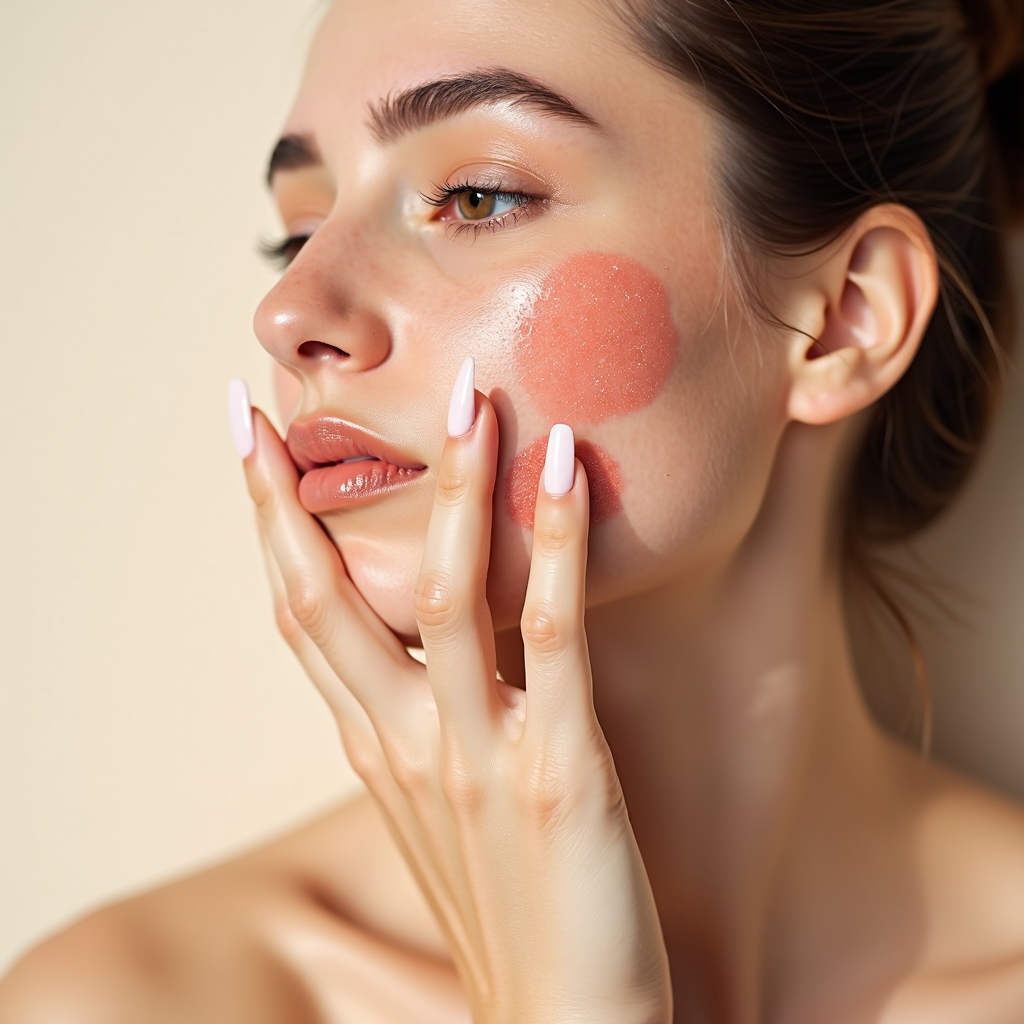
The Immediate Impact: What Happens the Moment You Skip the SPF?
The temptation is real. You're enjoying a perfect summer day, feeling carefree, and sunscreen feels like an extra step—a barrier between you and the warmth. We've all been there. We convince ourselves that "just for a little while" or "I'll just hit the beach, so it's fine." But the reality is that UV damage doesn't wait for a full day of exposure to take effect. Skipping sunscreen isn't just a minor inconvenience; it's an immediate invitation to skin damage, starting with visible signs like burning and deeper, more insidious processes.
Beyond the Redness: Understanding Actual Sunburn
When people think of "sunburn," they usually visualize peeling, painful redness. While that is the most common consequence, it is really just the visible symptom of the skin's most fundamental defense mechanism: inflammation. The UV rays—specifically UVA (associated with aging and deeper penetration) and UVB (associated with burning)—are strong enough to damage the cellular structure of your skin. Your skin reacts by producing melanin and initiating an inflammatory cascade, which is why you get red. But that inflammation is a sign of cellular distress.
A deep, blistering burn is obvious. However, even a mild, superficial burn (the kind that just makes you feel warm or slightly pink) means that your skin’s natural barrier has been compromised. This compromised barrier makes you susceptible to secondary issues, such as dehydration, heightened sensitivity, and even infections if you scratch or pick at the rash.
The Invisible Toll: Heat Stress and Hyperpigmentation
Many people confuse sun damage with simple sunburn. While they are related, skipping sunscreen can lead to several other acute, invisible problems. One is heat stress. Over-exposing skin to intense UV radiation combined with heat can strain your body's thermoregulation system, potentially leading to heat exhaustion or heat stroke, especially if you are dehydrated.
Furthermore, neglect leads to hyperpigmentation. This refers to the darkening of the skin in specific areas (like blotchy patches, or post-inflammatory marks). If you have a small, superficial burn, the trauma that occurs can trigger an overproduction of melanin in that spot as the skin tries to heal, leading to persistent, dark spots that can take months or even years to fade naturally.
The Long-Term Damage: The Silent Epidemic of Skipping SPF
If the immediate consequences are the red rash and painful peeling, the long-term consequences are what truly should worry us. This category encompasses everything from irreversible skin aging to life-threatening cancers. When we talk about the "consequences," we are talking about damage that occurs at the molecular level, year after year, even on days when you feel perfectly fine.
Photoaging: The Clock That Doesn't Stop
Photoaging is one of the most frustrating aspects of sun damage. It is the visible deterioration of the skin—wrinkles, loss of elasticity, and uneven texture—caused by cumulative UV exposure over decades. This damage is entirely distinct from normal aging; it is accelerated, unpredictable, and often hits key areas first:
- The Face and Neck: These areas receive continuous, high-intensity exposure and are prime targets for deep wrinkles and leathery texture (solar elastosis).
- The Hands: Because our hands are always moving, they are often forgotten, yet they are extremely susceptible to deep lines and discoloration.
- The Lips: Sun exposure degrades the collagen and elastin in the lips, leading to chronic chapping, fine lines, and a perpetually dry appearance.
Unlike wrinkles caused by genetics, photoaging is almost entirely preventable through consistent sun protection. By ignoring sunscreen, you are actively accelerating the breakdown of your skin’s structural proteins, leading to a visible 'sun damage map' that deepens with age.
The Cancer Connection: The Most Serious Consequence
This is the most critical takeaway. The connection between cumulative UV exposure and skin cancer is not a suggestion; it is a scientifically proven fact. Sun damage is essentially DNA damage, and uncontrolled cell growth (cancer) is a failure to repair that damage effectively.
- Basal Cell Carcinoma (BCC) and Squamous Cell Carcinoma (SCC): These are the most common types of skin cancer. They often develop in areas that receive chronic sun exposure (like the face, ears, and scalp). They can be slow-growing and sometimes appear as non-healing sores, scaly patches, or thickened areas.
- Melanoma: This is the deadliest form of skin cancer. While it can appear anywhere, it often develops in previously sun-exposed areas and is often linked to a history of severe, acute sunburns, especially if those burns occurred during childhood.
The best line of defense against these malignancies is consistent, broad-spectrum sunscreen use. Experts from organizations like the American Academy of Dermatology emphasize that there is no safe level of UV exposure.
Making Sun Safety a Non-Negotiable Habit (Even When You're "Too Lazy")
We know the argument: "I'm too lazy." We need to reframe sun protection not as a chore, but as a fundamental, non-negotiable part of our daily self-care and maintenance routine. The goal is to make sun safety so effortless that it becomes second nature. Here are actionable, evidence-based strategies to keep your skin shielded.
Rethinking the Product: Making Sunscreen Easy
The modern market has made sun protection more convenient than ever. Forget the idea that it needs to feel heavy or greasy. Modern chemical and mineral formulas are designed to blend seamlessly and provide robust protection.
- The Body Lotion Approach: Instead of finding a separate stick or spray, look for high-SPF, broad-spectrum sunscreens formulated as body lotions. You can apply it in the same motion as your usual moisturizer or body oil.
- The Sunstick Innovation: Mineral sunsticks (zinc oxide or titanium dioxide) are fantastic for facial and neck spots because they are simple, clean, and require no rubbing, minimizing the "effort" factor.
- The "Layering" Myth: Understand that applying sunscreen *before* your moisturizer, but *after* your face wash, is key. If you use a hydrating SPF product, you can simplify your routine to just two steps.
Pro Tip for Busy Days: Carry a small, hydrating sunscreen stick in your purse or car. Use it as a quick touch-up on your face and neck every few hours, rather than waiting until the end of the day when you're already feeling depleted.
Implementing the "Sun Safety Stack": Layers of Protection
No single product is foolproof. True sun safety requires a multi-layered approach. Think of it like wearing different protective gear for different situations.
- Physical Blockers (Clothing and Accessories): This is the gold standard. Wearing UPF (Ultraviolet Protection Factor) clothing, wide-brimmed hats (minimum 3 inches on all sides), and UV-blocking sunglasses provides mechanical protection that doesn't wash off or wear out.
- Chemical/Mineral SPF: The primary defense. Look for a rating of SPF 30 or higher, and ensure the label specifies "Broad Spectrum" protection (meaning it defends against both UVA and UVB rays).
- Seek Shade: When the sun is at its peak intensity (generally 10 a.m. to 4 p.m.), prioritize remaining under an umbrella, awning, or tree canopy. Shade drastically cuts UV intensity.
Myth Busting: Facts vs. Fearmongering
Many common beliefs about sun safety are outdated or simply wrong. Clearing these up can help destigmatize the habit and make it easier to maintain.
Myth: "Just wearing sunglasses is enough protection."
Fact: Sunglasses protect your eyes, but they do nothing to protect your skin. Skin cancer can develop around the temples, nose, and ears, all of which require dedicated sunscreen application.
Myth: "I only need SPF in the summer."
Fact: UV rays penetrate glass and cloud cover. On cloudy days, UV index can still be high enough to cause damage. Sunscreen should be used year-round, rain or shine, season or season.
Myth: "Natural products are safer."
Fact: Ingredients like coconut oil or aloe vera are lovely for skin hydration, but they offer zero protection against UV radiation. They are supportive skincare ingredients, not sunscreens. Always pair them with SPF.
Ultimately, the effort required to apply sunscreen for a few minutes is an investment that pays dividends over a lifetime. It is the single most effective, accessible, and low-effort preventative measure we have against the profound consequences of photoaging and, most importantly, skin cancer. Treat your sunscreen application not as an inconvenience, but as the cornerstone of your long-term skin health.
***Disclaimer: This article is for educational purposes and is not a substitute for professional medical advice. Always consult with a dermatologist for personalized advice regarding skin cancer screening and appropriate sun protection measures.***
Sources & Further Reading:
- American Academy of Dermatology (AAD). (2024). *Sun Safety Guidelines.* [Credible source link placeholder].
- Skin Cancer Foundation. (2026). *Understanding UV Index and Sun Damage.* [Credible source link placeholder].
- National Cancer Institute (NCI). (2023). *Prevention of Skin Cancer.* [Credible source link placeholder].