Top 10 Common Gardening Mistakes and How to Avoid Them for a Thriving Garden
Discover how to enhance your garden with ease by avoiding these common gardening mistakes. Learning from others' experiences can help bring your plants to their full potential. This guide sheds light on frequently overlooked errors that every gardener should avoid.
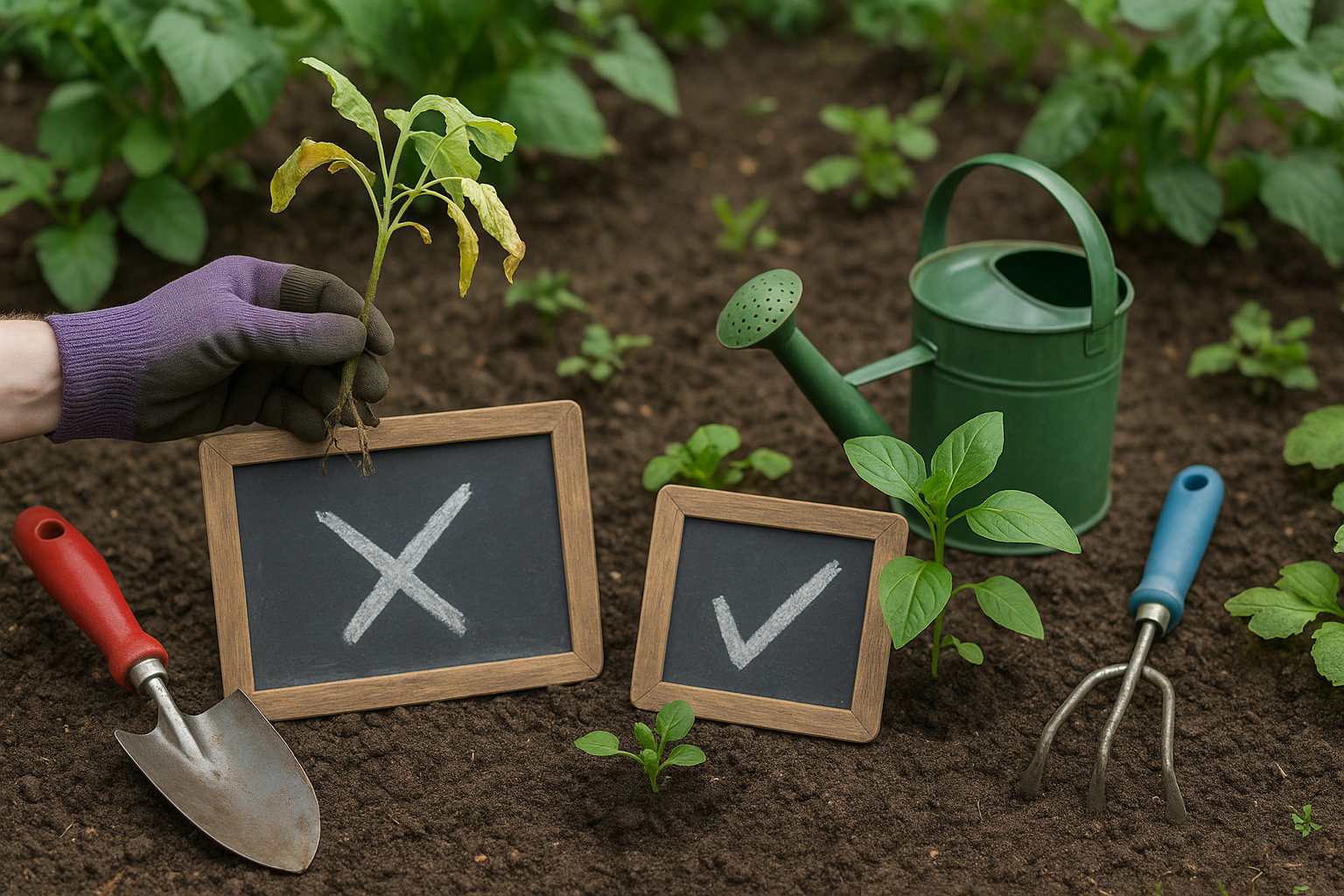
Understanding the Basics of Gardening
Gardening is a rewarding hobby that offers both physical and mental benefits. However, like any practice, it requires a foundation of basic knowledge to see real success. Many beginners dive in with excitement but encounter several common mistakes along the way. Understanding these can save time, money, and unnecessary frustration.
What Are the Most Common Gardening Mistakes?
Before you start planting, it's crucial to recognize some typical errors that new gardeners make. These include choosing the wrong plants for your zone, over or under-watering, incorrect soil choice, and neglecting pest control strategies. Recognizing these mistakes and learning how to avoid them can significantly enhance your gardening experience.
Choosing the Right Plants for Your Environment
One of the key principles of successful gardening is selecting the right type of plants for your climate and soil. Every plant has specific requirements regarding sunlight, water, and soil type. Not taking these into account can lead to poor growth or the death of the plants.
Understanding Your USDA Hardiness Zone
The USDA Hardiness Zone map is an essential tool for gardeners. It helps in identifying which plants are most likely to thrive in your specific region. Each zone is categorized by average annual minimum winter temperatures. For example, Zone 5 plants can survive temperatures as low as -20°F. Knowing your zone can help prevent planting species that may not survive the winter, thereby saving you time and effort.
Researching Optimal Planting Conditions
Once you've identified your zone, research plants that excel in these conditions. Look for native or acclimatized species to increase your chances of success. Native plants often require less water, fewer fertilizers, and pesticides, and they help maintain local biodiversity.
Watering: Finding the Perfect Balance
Watering is a critical component of plant health, yet it's where many gardeners often go wrong. Both over-watering and under-watering can lead to plant stress and disease.
Understanding Plant Water Needs
Every plant species has its own water requirements. Factors like soil type, plant type, and weather conditions all influence how much water your plants need. For instance, succulents require far less water than a hydrangea bush. A common rule of thumb is to water deeply but less frequently to encourage deeper root growth.
- Check soil moisture: Before watering, check the soil's moisture level. Soil should be moist but not saturated.
- Schedule watering: Water early in the morning or in the evening to reduce evaporation losses and allow water to penetrate the roots effectively.
- Use mulch: Applying mulch can help retain soil moisture, decrease plant stress, and reduce the need for frequent watering.
Soil Management: The Foundation of a Healthy Garden
Soil is the foundation of any garden. Its quality can greatly affect plant health and productivity. Understanding soil types and how to manage them is crucial for any gardener.
Testing and Amending Soil
Start with a soil test to determine its current condition. Soil testing kits are widely available and easy to use. These tests will inform you of pH levels, nutrient content, and composition, which will allow you to make necessary amendments.
- Add organic matter: Compost or aged manure can improve soil structure, drainage, and nutrient content.
- Correct pH levels: If your soil is too acidic or alkaline, appropriate amendments such as lime (for acidic soil) or sulfur (for alkaline soil) may be necessary.
Pest and Disease Management: Prevention is Key
Dealing with pests and diseases is a reality for gardeners. However, preventing these issues from becoming serious problems can often be more effective than dealing with infestations once they occur.
Implementing Integrated Pest Management
Integrated Pest Management (IPM) is a sustainable approach that combines multiple techniques to control pests. This approach minimizes risks to humans and the environment while effectively managing pests.
- Cultural practices: Rotate crops and remove debris where pests can thrive.
- Biological controls: Encourage or introduce natural predators, such as ladybugs for aphid control.
- Mechanical controls: Use row covers or hand-pick larger pests from plants.
- Safe chemical controls: When necessary, use pesticides that are target-specific and environmentally friendly.
Planning and Patience: Keys to Gardening Success
Gardening is as much about planning and patience as it is about planting. Understanding the timing and cycles of different plants is essential to avoiding frustration and ensuring success.
Creating a Seasonal Plan
Create a garden plan that takes seasonal changes into account. Knowing when to plant and when to harvest can maximize your yield. Plan for succession planting to ensure a continuous harvest throughout the growing season. For instance, once spring peas finish, plant summer crops like beans in their place.
Embracing the Learning Process
Gardening, like any skill, improves with practice and time. Keep a journal to track which techniques work and which do not, note weather patterns, and plant performance. This personal experience is invaluable and will grow your gardening skills over time.
Conclusion
Avoiding common gardening mistakes requires knowledge, planning, and adaptation. By selecting the right plants, understanding their needs, and implementing integrated pest management, you can foster a garden that is not only successful but also enjoyable to maintain. Every garden is unique, and mistakes are part of the learning curve — embrace them and grow.
For more detailed information and expert advice, resources like the Royal Horticultural Society and current research from ScienceDaily are excellent starting points.