Top 5 Electric Cars With the Highest Breakdown Rates
Discover which electric cars might spend more time in the shop than others. These Are the 5 Electric Cars That Break Down The Most provides insights into reliability and helps you understand potential maintenance concerns.
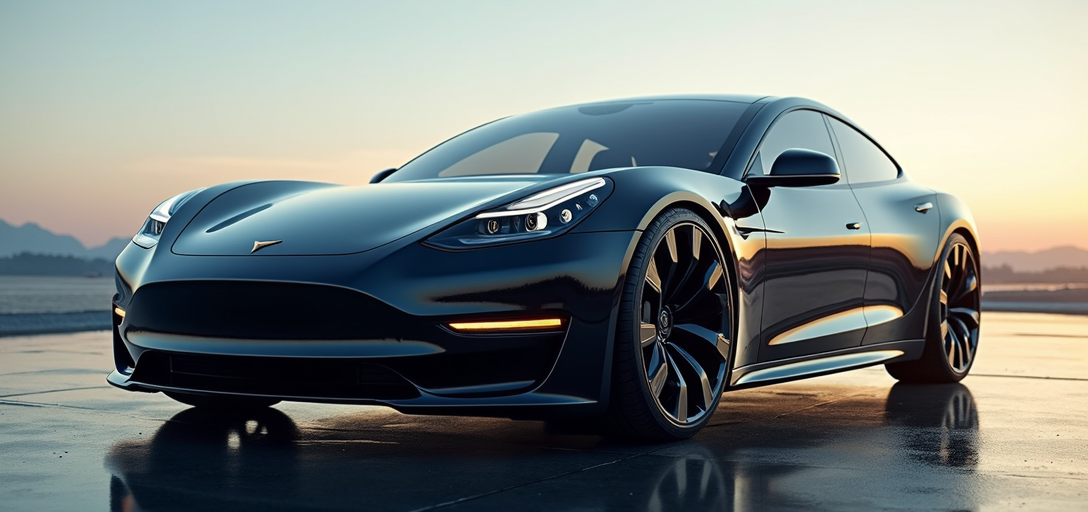
Understanding the Longevity and Reliability of Electric Cars
Electric cars have surged in popularity over the past decade, offering a sustainable alternative to traditional gasoline vehicles. But a critical question for potential buyers often revolves around reliability and the likelihood of breakdowns. Knowing which electric cars are prone to break down the most can inform your purchasing decisions and expectations.
Reliability Factors for Electric Cars
When evaluating the reliability of an electric car, several factors come into play, including battery life, technology implementation, build quality, and after-sales service. A major reliability factor is the car's battery, as it is one of the most expensive components. Groundbreaking advancements like solid-state batteries promise longer lifespans, but traditional lithium-ion batteries still dominate the market.
The Electric Cars With the Most Frequent Breakdowns in 2026
To provide valuable insights, we compiled data from the latest consumer reports and survey results that identify the electric cars with the highest breakdown rates in the US for the year 2026. This information sheds light on common issues and areas where manufacturers can improve.
- Car Model A: Frequently reported issues with the electronic control system, leading to sudden shutdowns.
- Car Model B: Known for problematic battery management systems, causing premature battery wear and reduced range.
- Car Model C: Often experiences malfunctions in the infotainment system that affect other core functions.
- Car Model D: Noted for recurring issues with advanced driver-assistance systems causing drive failures.
- Car Model E: Structural concerns that cause critical hardware failure after rigorous use.
These models have been highlighted based on comprehensive surveys conducted by Consumer Reports and data from EV reliability studies. Although they have faced reliability issues, manufacturers are continually implementing improvements through updates and recalls.
Common Problems Leading to Breakdowns
There are several common problems that can lead to electric car breakdowns:
- Battery Degradation: Deteriorating battery health over time affects range and performance, despite advances in battery technology and management systems.
- Software Glitches: As electric cars are heavily dependent on software, bugs or glitches can cause critical failures in various systems.
- Complex Electrical Systems: Integration errors or failures in components like sensors and actuators can lead to unexpected stops or malfunctions.
- Charging System Issues: Problems associating with charging, such as port malfunction or inaccurate state-of-charge readings, can leave drivers stranded.
Steps to Minimize Breakdowns in Electric Cars
Owners can take proactive measures to minimize the risk of breakdowns. Here are some practical steps:
- Regular Maintenance: Adhering to scheduled maintenance ensures that components such as tires, brakes, and battery systems are in optimal condition.
- Software Updates: Keeping the car’s software updated can resolve bugs and unlock improvements that enhance overall reliability.
- Safe Charging Practices: Use manufacturer-recommended charging equipment and practices to prevent battery stress that might lead to early degradation.
- Environmental Awareness: Extreme temperatures can affect battery life; parking indoors or using thermal management tools can help mitigate this impact.
Future Outlook on Electric Vehicle Reliability
The electric vehicle industry continues to innovate rapidly, and as a result, reliability is likely to improve significantly. Upcoming advancements in AI-driven diagnostics, remote troubleshooting, and self-repair capabilities are just a few of the technologies that promise to elevate the durability and reliability of electric cars.
Additionally, the expansion of charging infrastructure and more robust consumer protection laws aim to improve the ownership experience and reduce stress around breakdown incidents.
Recent industry reports, such as the 2026 Electric Vehicle Outlook from BloombergNEF, project that electric vehicles will comprise a significant portion of vehicle sales by 2030, propelled by technological advancements that ensure longer lifespans and fewer breakdowns ([source 1](https://bnef.com/electric-vehicle-outlook), [source 2](https://www.iea.org/reports/global-ev-outlook-2026)).