Top 5 Leading Kidney Transplant Hospitals in the UK
Discover the leading centers for kidney health, as we explore the top 5 best kidney transplant hospitals in the UK. Offering advanced care and pioneering techniques, these hospitals are renowned for their excellent services.
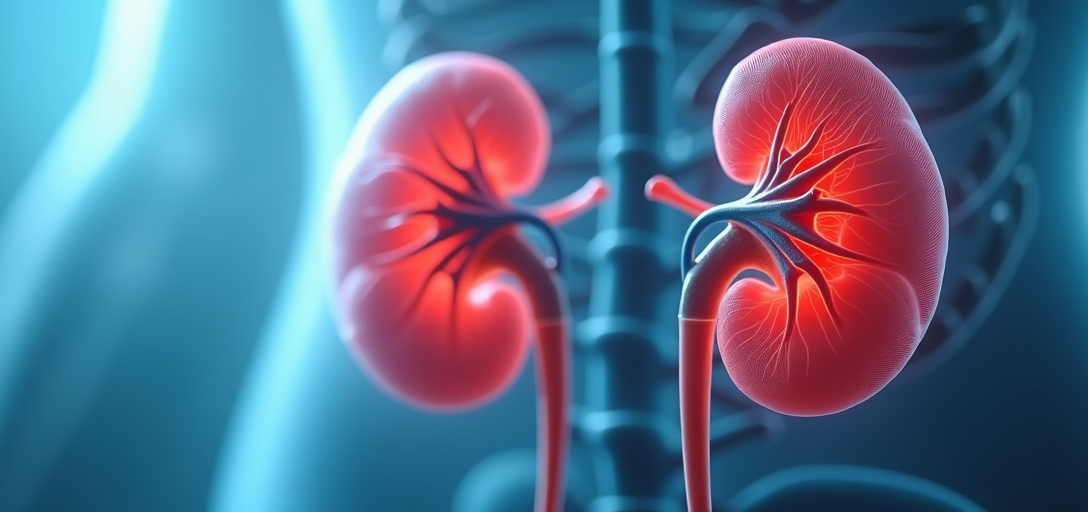
Understanding Kidney Transplants
A kidney transplant is a surgical procedure to place a healthy kidney from a donor into a person whose kidneys are no longer functioning properly. It is a life-saving treatment considered the best option for patients with end-stage renal disease (ESRD) or kidney failure, as it can significantly improve quality of life and longevity compared to dialysis. In the UK, the demand for kidney transplants continues to grow, with the NHS focusing on increasing the number of available donors.
Who Needs a Kidney Transplant?
Individuals with advanced kidney disease or kidney failure, failing to respond to treatments like dialysis, are often evaluated for a transplant. Chronic conditions such as diabetes and hypertension can lead to ESRD, making those patients candidates for transplantation. Transplant suitability is assessed by a multidisciplinary team of healthcare professionals, considering factors such as overall health, potential for recovery, and support systems.
Top 5 Best Kidney Transplant Hospitals in the UK
In the UK, several hospitals are renowned for their expertise in kidney transplants, providing exceptional care and successful outcomes. These institutions are equipped with advanced technologies and skilled surgical teams, and they also engage in continuous research and innovation to enhance transplant success rates.
1. Guy's Hospital, London
Guy's Hospital, part of Guy's and St Thomas' NHS Foundation Trust, is noted for its comprehensive renal services. The hospital has a highly skilled transplant team and offers cutting-edge medical treatments, contributing to high transplant success rates. It is also involved in pioneering research projects, improving post-transplant care and longevity of the graft.
2. Manchester Royal Infirmary, Manchester
With a dedicated renal and kidney transplant unit, Manchester Royal Infirmary is a leading center for kidney transplantation in the UK. It offers state-of-the-art facilities for both living and deceased donor transplants. The hospital is recognized for its patient-centered approach and high standard of post-operative care.
3. Queen Elizabeth Hospital, Birmingham
Queen Elizabeth Hospital is home to one of the largest kidney transplant programs in the UK. The hospital provides a wide range of renal services, from pre-transplant evaluation to long-term post-transplant care. It's a part of several national and international research networks, fostering innovation in transplant medicine.
4. Royal Free Hospital, London
Renowned for its research and clinical services in renal transplantation, the Royal Free Hospital offers comprehensive transplant care. The hospital's transplant program emphasizes both surgical excellence and patient education, ensuring that recipients have a thorough understanding of the procedure and aftercare.
5. Royal Infirmary of Edinburgh, Edinburgh
The Royal Infirmary of Edinburgh has a long-standing history of excellence in kidney transplantation. It is a central hub for transplant services in Scotland, providing expert care driven by the latest research findings in the field. The hospital has a reputation for personalized patient care and innovative approaches to transplant medicine.
The Transplant Process: What to Expect
From the initial evaluation to post-surgery, the kidney transplant process involves several key stages:
- Evaluation and Listing: Prospective transplant patients undergo extensive medical evaluations to determine suitability. This involves physical exams, blood tests, and psychological assessments. Approved candidates are placed on the national transplant waiting list.
- Finding a Donor: Kidneys for transplant may come from living donors, often family members, or deceased donors. The Organ Donation Register is crucial in finding a matching donor.
- The Surgery: Typically lasting 3-4 hours, the surgery involves placing the new kidney into the lower abdomen. The surgical team monitors the recipient closely to ensure no complications arise.
- Recovery and Aftercare: Post-operation, patients are closely monitored for any signs of rejection or infection. Lifelong medication and regular hospital visits are essential for managing health and ensuring the graft's longevity.
Challenges and Innovations in Kidney Transplants
While kidney transplant success rates continue to improve, challenges remain, including donor shortages and organ rejection. Innovations such as stem cell research and paired kidney exchanges are being explored to overcome these challenges. For instance, scientists are investigating ways to grow bioengineered kidneys, which could potentially address donor shortages in the future.
Incorporating technological advancements, hospitals are using AI and machine learning to improve donor-patient matching efficacy, enhancing the precision of suitability assessments.
Conclusion
Kidney transplants are a critical option for patients with kidney failure, offering a chance for a healthier and longer life. The UK's top hospitals have made significant strides in kidney transplant care, integrating cutting-edge research with compassionate patient care. As technology and medicine continue to advance, the future of kidney transplants in the UK looks promising, with ongoing efforts to enhance patient outcomes and reduce the waiting time for transplants.
For those considering a kidney transplant or wanting to learn more, visiting renowned hospitals or consulting with professionals can provide comprehensive insights tailored to individual needs.