Top Companies Offering Home Insurance for Older Properties
Looking for home insurance for older homes can be challenging, but it's not impossible. Many companies offer specialized policies tailored to the unique needs of older properties.
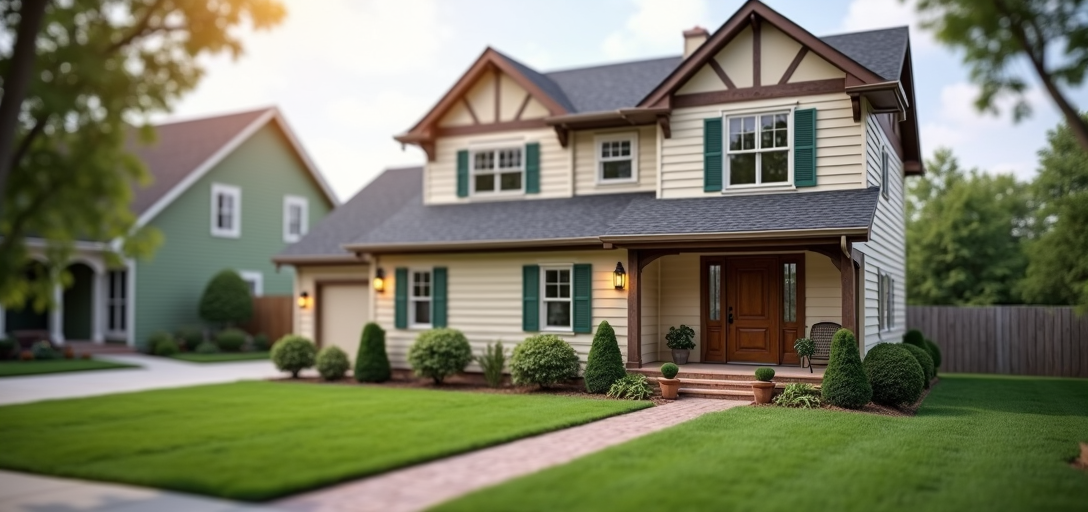
Understanding Home Insurance for Older Homes
Home insurance, often called homeowner's insurance, is a crucial aspect of property ownership. However, insuring older homes presents unique challenges and considerations. Older homes, typically defined as those over 50 years old, often feature unique architectural details and building techniques not found in modern homes. While these characteristics add charm, they can also complicate the process of finding insurance. In this article, we'll explore which companies offer insurance for older homes, what factors to consider, and how to ensure you get the best coverage for your unique property.
Why Insure Older Homes?
Older homes tend to have distinct features such as natural woodwork, vintage fixtures, and historical significance that attract many homeowners. However, these homes also carry risks due to outdated plumbing, electrical systems, or construction materials. Ensuring these elements are adequately covered is essential to protect your investment and preserve the historical value of the property.
What to Look for in an Insurance Policy for Older Homes
- Replacement Cost Coverage: Many older homes may have features made from materials that are either costly or impossible to replace exactly. Replacement cost coverage ensures that you can repair or replace these features without incurring excessive out-of-pocket expenses.
- Specialist Repair Services: Policies that offer or allow you to work with specialized contractors who understand historical construction methods can be particularly valuable.
- Flexible Underwriting: Since older homes come with particular risks, finding an insurer with flexible underwriting criteria is important.
Factors Insurers Consider
When determining policy terms and premiums, insurers will evaluate various aspects specific to older homes:
- Building Materials: Materials such as plaster and lathe or knob-and-tube wiring can be seen as risky.
- System Updates: Updated plumbing, electrical systems, and roofs can positively impact insurability and premium levels.
- Historical Significance: If the property holds historical significance, there may be specific preservation requirements that affect insurance needs.
Top Companies Offering Insurance for Older Homes
Several insurance providers in the US specialize in or are well-regarded for insuring older homes. Let’s delve into a few of these companies to see how they're equipped to handle the unique challenges such older properties present:
1. State Farm
State Farm is one of the largest providers in the US, known for its comprehensive coverage options that can be tailored to meet the needs of older home owners. They offer extensive replacement cost options and have a wide network of agents for personalized service. As of 2026, State Farm offers various discount options for homes with updated systems, which can help reduce premiums.
2. Allstate
Allstate provides customizable policies that include rider options for older or historic properties. They place a heavy emphasis on modernizing systems and often offer discounts for homeowners investing in updates to aging structures. Their programs are designed to cover specialty craftsmanship with high restoration accuracy.
3. Liberty Mutual
Liberty Mutual offers policies specifically designed for historic homes. They provide replacement cost coverage and have partnerships with contractors specializing in older home repairs. Liberty Mutual ranks highly in customer satisfaction surveys in terms of claim management and customer service, both valuable for navigating the complexities of insuring older homes.
Steps to Get Insured
1. Evaluate Your Home
Before seeking home insurance, evaluate your home's age, the state of its critical systems (like HVAC, plumbing, and electric), and any renovations or updates that’ve been completed. This evaluation will guide both what coverage you need and which companies will provide it at a reasonable price.
2. Research Insurers
Leverage online reviews, customer satisfaction scores, and state insurance department resources to find information on insurers. Websites like NerdWallet offer up-to-date comparisons based on various factors important for older home policies.
3. Get Quotes
Get quotes from multiple insurers to understand coverage differences and pricing. Ensure each quote covers equivalent scenarios to make an apples-to-apples comparison possible. Online tools on insurer websites can help you draft customized quotes swiftly.
4. Work with an Insurance Agent
Consider consulting with an insurance agent experienced in older home policies to ensure you’re getting the right level of coverage. These agents can advocate on your behalf and may know of special programs or discounts available for older homes.
Conclusion: Securing the Right Coverage
Finding the appropriate home insurance for an older home may require additional effort compared to standard homeowner policies, but doing so is essential to protect your investment. While challenges exist, understanding what these entail can lead you to handle the process effectively. Remember to evaluate your options thoroughly, update key systems when possible, and seek expert guidance to tailor your insurance accurately to the unique needs of your older home.