Top Costly Gardening Mistakes to Avoid for a Thriving Garden
Are you a gardening enthusiast? Discover how to steer clear of costly gardening mistakes that could hinder your garden's growth. From overwatering to neglecting soil quality, these common errors can impact your plants. Make informed decisions by understanding the nuances of successful gardening.
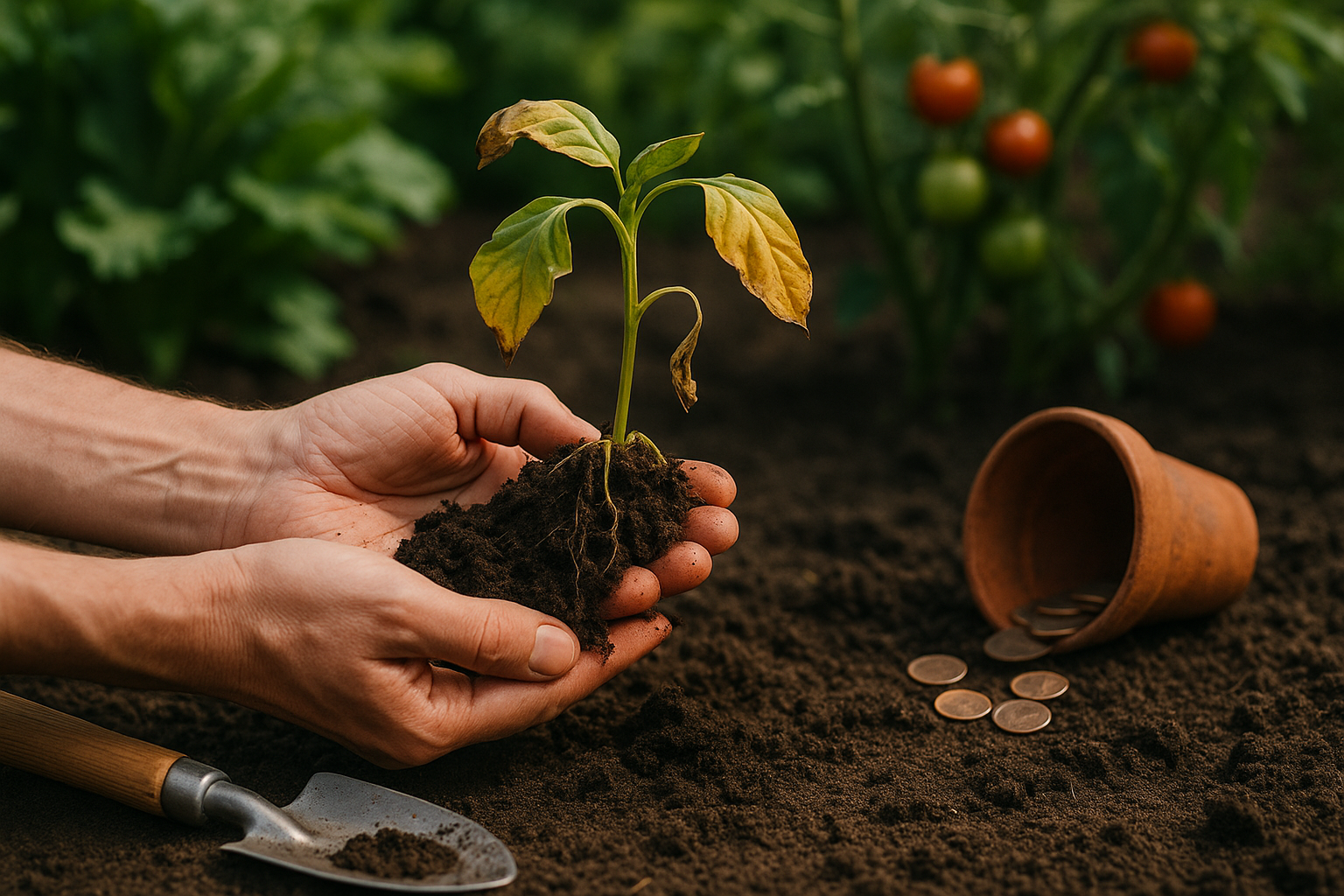
Understanding Common Gardening Mistakes
Gardening can be a rewarding activity, providing both aesthetic beauty and personal satisfaction. However, even the most experienced gardeners can find themselves making costly mistakes that hinder their garden's potential. Understanding these common pitfalls is crucial to fostering a thriving garden. In this section, we'll explore some of these mistakes, why they happen, and how to avoid them.
Overwatering: The Silent Garden Killer
One of the most common mistakes among gardeners is overwatering. It’s an easy mistake to make, as many believe that more water equals healthier plants. However, overwatering can lead to root rot and other fungal diseases that can ultimately kill your plants.
- Recognize signs of overwatering: yellowing leaves, wilting despite wet soil, and slow growth.
- Adopt a "less is more" watering approach, allowing the topsoil to dry out between watering sessions.
- Consider investing in a soil moisture meter to accurately gauge your garden's needs.
Neglecting Soil Health
The success of your garden heavily depends on the health of your soil. Ignoring soil composition and fertility can stifle the growth of your plants.
- Test your soil to understand its pH and nutrient levels. Kits are available at most garden centers or through soil testing services.
- Regularly amend soil with organic matter such as compost, enabling beneficial microbial activity and improved nutrient content.
- Avoid excessive use of chemical fertilizers, which can damage beneficial soil organisms and lead to nutrient runoff polluting local water systems.
Planning and Planting: Avoiding Spacing and Compatibility Issues
Proper planning is the backbone of a successful garden. Without it, you might face compatibility issues and space shortage.
Improper Plant Spacing
It's crucial to give your plants adequate space to grow. Overcrowding can lead to competition for resources and increased susceptibility to diseases.
- Refer to plant spacing guidelines usually provided on seed packets or plant labels.
- Consider the mature size of the plant, not just the initial size at planting.
- Plan for appropriate spacing when laying out garden beds to prevent overcrowding.
Ignoring Plant Compatibility
Not all plants thrive alongside each other. Ignoring plant compatibility can lead to reduced growth and increased pest pressures.
- Research companion planting strategies. Certain plants can benefit each other, aiding in pest control and nutrient sharing. For example, tomatoes and basil are known to thrive together.
- Avoid planting species that inhibit each other's growth, like black walnut trees and many annual flowers.
- Utilize resources like the companion planting guide by Master Gardeners to plan compatible garden layouts.
Pest Management Missteps
Pests are a natural part of gardening, but mishandling their management can cause significant damage to your plants. It's essential to address pest issues without relying exclusively on broad-spectrum solutions that may harm the ecosystem.
Over-reliance on Pesticides
While pesticides can quickly solve pest problems, overusing them can lead to resistance, beneficial insect mortality, and environmental harm.
- Adopt integrated pest management (IPM) practices, which combine cultural, mechanical, and biological methods.
- Introduce natural predators. For instance, ladybugs are excellent for controlling aphid populations.
- Focus on early intervention by monitoring and manually removing pests when possible.
Ignoring Pest Early Warning Signs
Many gardeners fail to recognize early warning signs of pest issues, allowing problems to escalate.
- Regularly inspect plants for signs of distress, such as chewed leaves, discolored spots, or visible insects.
- Set up traps or barriers at the first sign of pest invasion to prevent further spread.
- Engage in crop rotation practices, which disrupt pest breeding cycles by changing their preferred habitat.
Seasonal Gardening: Timing is Everything
Understanding the optimal timing for planting and maintenance tasks is key to a successful garden. Ignoring seasonal cues can lead to poor plant performance and unnecessary labor.
Planting at the Wrong Time
Not all plants are suitable for year-round growth. Planting too early or too late in the season can destroy seedlings or result in poor harvests.
- Familiarize yourself with your plant hardiness zone to determine the best planting times for various crops.
- Consult resources from the USDA Plant Hardiness Zone Map to guide your planting schedule.
- Use a gardening calendar to keep track of planting and harvesting dates specific to your region.
Neglecting Seasonal Maintenance
Beyond planting, gardens require seasonal care to maintain their vigor throughout the year.
- Engage in regular pruning to remove dead or damaged plant material, encouraging new growth.
- Prepare gardens for different seasons, such as mulching in the fall to protect roots from winter cold.
- Adjust feeding and watering practices according to seasonal needs, reducing watering in cooler months.
By understanding and addressing these common gardening mistakes, you'll significantly enhance your garden's health and productivity. Investing time in planning and maintenance, while fostering an eco-friendly approach to gardening, ensures a thriving garden for years to come. With these insights, your garden can become a lush paradise that's beautiful, sustainable, and a source of pride.