Top Dog Supplies You Need This Winter to Keep Your Pup Warm and Happy
Looking to prepare for the cold months ahead? Discover why these dog supplies are worth buying before winter hits. From cozy blankets to durable boots, ensure your furry friends are comfortable and protected from the chilly weather.
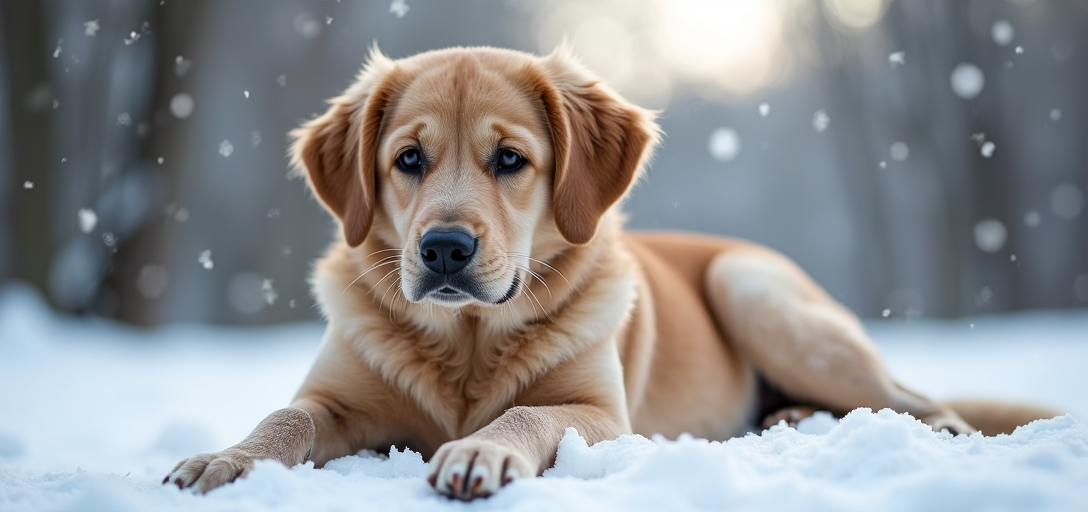
Why You Should Prepare Your Dog for Winter
As temperatures start to drop, ensuring your furry friend is comfortable and safe is a top priority. Winter can be a magical time for dogs that love playing in the snow, but it also poses unique challenges. Preparing your dog for winter not only keeps them healthy but can also prevent unnecessary stress and health issues. Let's explore why it's crucial to invest in the right dog supplies before winter hits.
Understanding Your Dog's Winter Needs
Just like humans, dogs have specific needs during the colder months. While breeds that thrive in cold climates, such as Huskies and Malamutes, may enjoy the snow, others might find it challenging to maintain their body heat. It's important to consider factors such as your dog's breed, age, health, and size when preparing for winter.
- Coat Adaptation: Dogs with thick double coats are naturally insulated against cold. However, short-haired or smaller breeds might require additional warmth.
- Joint and Bone Health: Cold weather can exacerbate issues such as arthritis, especially in older dogs.
- Outdoor Activities: The shorter daylight hours and temperature drops may affect your dog's exercise routine.
Essential Dog Supplies for Winter
To ensure your dog stays happy and healthy throughout the winter, consider investing in these essential dog supplies.
Dog Apparel
Your dog’s natural coat is often not enough to keep them warm during harsh winter conditions. Here's what you might need:
- Dog Coats and Sweaters: These are particularly useful for small, short-haired, or older dogs. Brands like Ruffwear and Kurgo offer a range of durable and insulated coats. According to a 2026 survey by the American Pet Products Association, 60% of dog owners have used dog apparel to help their pets during winter (source: APPA).
- Boots and Paw Protection: Snow and ice can damage a dog's paws. Brands like Pawz and Ultra Paws offer protective boots that shield paws from ice salt and extreme cold.
Nutrition and Supplements
Winter can impact your dog's metabolic rate, which might require adjustments to their diet. Here’s how you can support their nutritional needs:
- High-Quality Food: Consider feeding your dog a high-protein diet to maintain their energy levels. High-protein diets help keep your dog’s metabolism active as they burn more calories in winter.
- Joint Supplements: Supplements like glucosamine and omega fatty acids can support joint health and mobility. According to PetMD, joint supplements can be beneficial for maintaining active and pain-free dogs during winter (source: PetMD).
Bedding and Shelter
Providing a warm place for your dog to rest is crucial, especially for those that spend time outdoors.
- Heated Dog Beds: Heated pads or self-warming beds can be fantastic for dogs that live in particularly cold areas, helping them retain warmth after outdoor play.
- Insulated Dog Houses: Ensure any outdoor shelter is insulated and elevated from the ground to avoid dampness and cold.
Health Precautions to Take
Winter conditions can affect your dog’s health in various ways. Being proactive can mitigate risks and ensure your pet stays healthy.
Regular Vet Check-Ups
Before winter sets in, schedule a check-up. This will help identify any health issues that might be exacerbated by cold weather.
Hydration and Skin Care
Many dog owners overlook hydration during winter, but it is just as important as in the summer.
- Hydration: Ensure your dog has access to fresh, unfrozen water at all times. Dehydration can occur in winter due to less humidity.
- Skin and Coat Care: Cold air can dry out your dog’s skin. Regular brushing and the use of dog-safe lotions like coconut oil can be beneficial.
Adjusting Your Dog's Routine
Just as your dog’s needs change during winter, so should their daily routine.
Exercise Routine
With shorter days, finding time for exercise can be tricky. Try to walk your dog during daylight hours when it's slightly warmer. Indoor games and mental exercises can also be stimulating.
Grooming
Continue regular grooming to keep your dog’s coat healthy. This helps remove dead hair and allows their coat to aerate naturally.
Conclusion
Preparing for winter involves a mix of practical planning and care to ensure your dog remains healthy and energetic. Whether it's the right nutrition, protective gear, or simply adjusting routines, each step ensures your dog's comfort throughout this chilly season. Stay informed with the latest pet care recommendations to provide the best for your four-legged companion this winter.