Top Drought-tolerant Plants for Effortless Landscaping
Explore the best droughttolerant plants for lowmaintenance landscaping and transform your garden into a beautiful oasis with minimal water usage. Discover which varieties offer resilience to dry spells and thrive with little care, helping you create a sustainable and ecofriendly outdoor space.
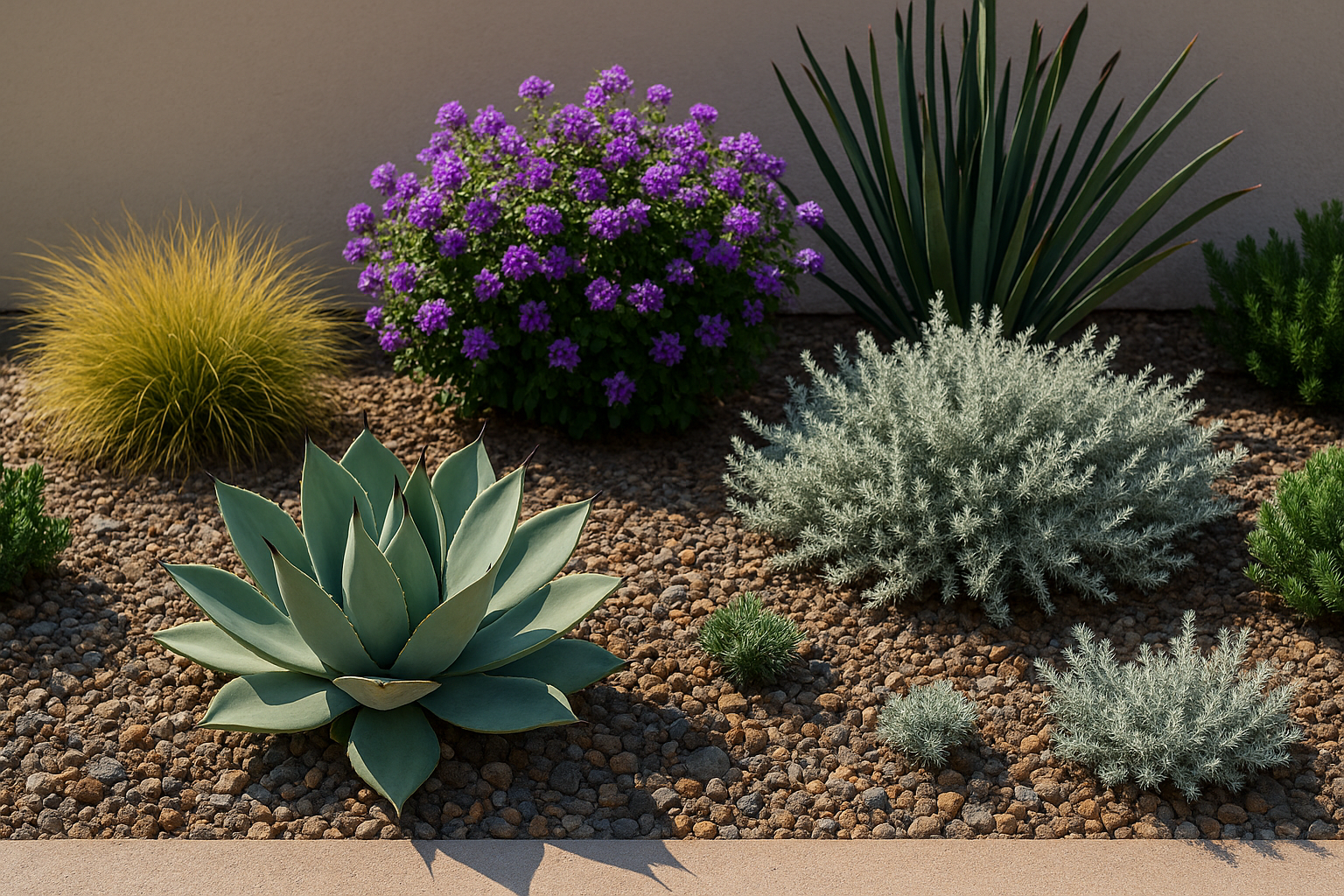
Understanding the Need for Drought-Tolerant Plants
In recent years, the impact of climate change has become increasingly evident, with prolonged droughts affecting many regions worldwide. Homeowners and landscapers are seeking sustainable solutions for maintaining beautiful landscapes without relying heavily on water resources. This shift has led to the growing popularity of drought-tolerant plants, which not only conserve water but also require minimal upkeep, making them ideal for low-maintenance landscaping.
The beauty of drought-tolerant plants lies in their ability to thrive in arid conditions. They have adapted over time to require less water, making them perfect candidates for gardens in areas where water conservation is a priority.
Identifying the Best Drought-Tolerant Plants
1. Succulents and Cacti
Succulents and cacti are the poster children of drought tolerance. They have thick, fleshy leaves or stems that store water, allowing them to survive in harsh conditions. Popular options include:
- Aeonium: Known for their rosettes of vibrant leaves, Aeoniums add color and texture to landscapes.
- Agave: With their dramatic, spiky leaves, Agaves are both low-maintenance and visually striking.
- Barrel Cactus: These compact, round cacti require virtually no maintenance and can add a unique architectural element.
2. Mediterranean Herbs
Many herbs native to the Mediterranean region have inherently adapted to dry climates. They offer fragrant foliage and are culinary staples:
- Lavender: Beyond its aromatic blooms, lavender is resilient and looks stunning in any garden setting.
- Rosemary: A versatile herb in the kitchen, rosemary's drought resistance makes it an excellent choice for sunny dry spots.
- Sage: With its soft, silvery leaves, sage is a hardy plant that complements both edible and ornamental gardens.
3. Ornamental Grasses
Ornamental grasses are excellent for creating a textured, dynamic landscape. They require little care and come in a variety of sizes and colors:
- Feather Reed Grass: This tall grass adds movement and vertical interest to any garden.
- Blue Fescue: A shorter grass with a striking blue hue, perfect for adding contrast.
4. Flowering Perennials
Drought-tolerant flowering perennials can provide color and life to a garden throughout the year. Consider these options:
- Echinacea (Coneflower): Known for its vibrant purple blooms, it attracts pollinators and thrives in dry soil.
- Yarrow: With its clusters of small flowers, Yarrow is tough and adapts well to various conditions.
Advantages of Drought-Tolerant Plants in Landscaping
Incorporating drought-tolerant plants into your landscaping offers numerous benefits beyond water conservation. Here are some compelling reasons to make the switch:
- Cost-Effective: Reducing water usage can significantly lower utility bills.
- Low Maintenance: Spend less time on garden maintenance and more enjoying it.
- Environmental Impact: Help protect local water supplies and create a natural habitat for wildlife.
- Resilience: These plants are typically hardier, more resilient to pests, and adaptable to temperature fluctuations.
Practical Tips for Planting and Caring for Drought-Tolerant Plants
Plant Selection and Arrangement
When incorporating drought-tolerant plants, it's crucial to consider the specific conditions of your landscape, such as soil type and sun exposure. Group plants with similar water needs together to ensure efficient water use and maintenance.
Soil Preparation
Ensure the soil has good drainage, as excess water can harm drought-tolerant plants. Amend clay-heavy soils with organic matter to improve drainage and nutrient availability.
Watering Practices
Although these plants are drought-tolerant, they still require a watering schedule, especially during their establishment period. Water deeply but infrequently, encouraging roots to grow deeper into the soil.
Conclusion: The Future of Sustainable Landscaping
As more people become aware of environmental challenges and the importance of sustainable practices, drought-tolerant plants will play a crucial role in the future of landscaping. By selecting the right plants and adapting gardening techniques, homeowners can enjoy beautiful, low-maintenance gardens that contribute positively to the environment.
For further reading on drought-tolerant landscaping and plant care, consider exploring resources such as the Water Wise Plants guide or the National Gardening Association.