Top Indoor Cameras for Monitoring Elderly Parents: A Comparison of Ring and Google Nest
Discover top features of the best Ring and Google Nest Indoor Cameras for ensuring your elderly parents' safety. This guide explores various options without making overpromising claims, helping you make an informed decision that balances technology and peace of mind.
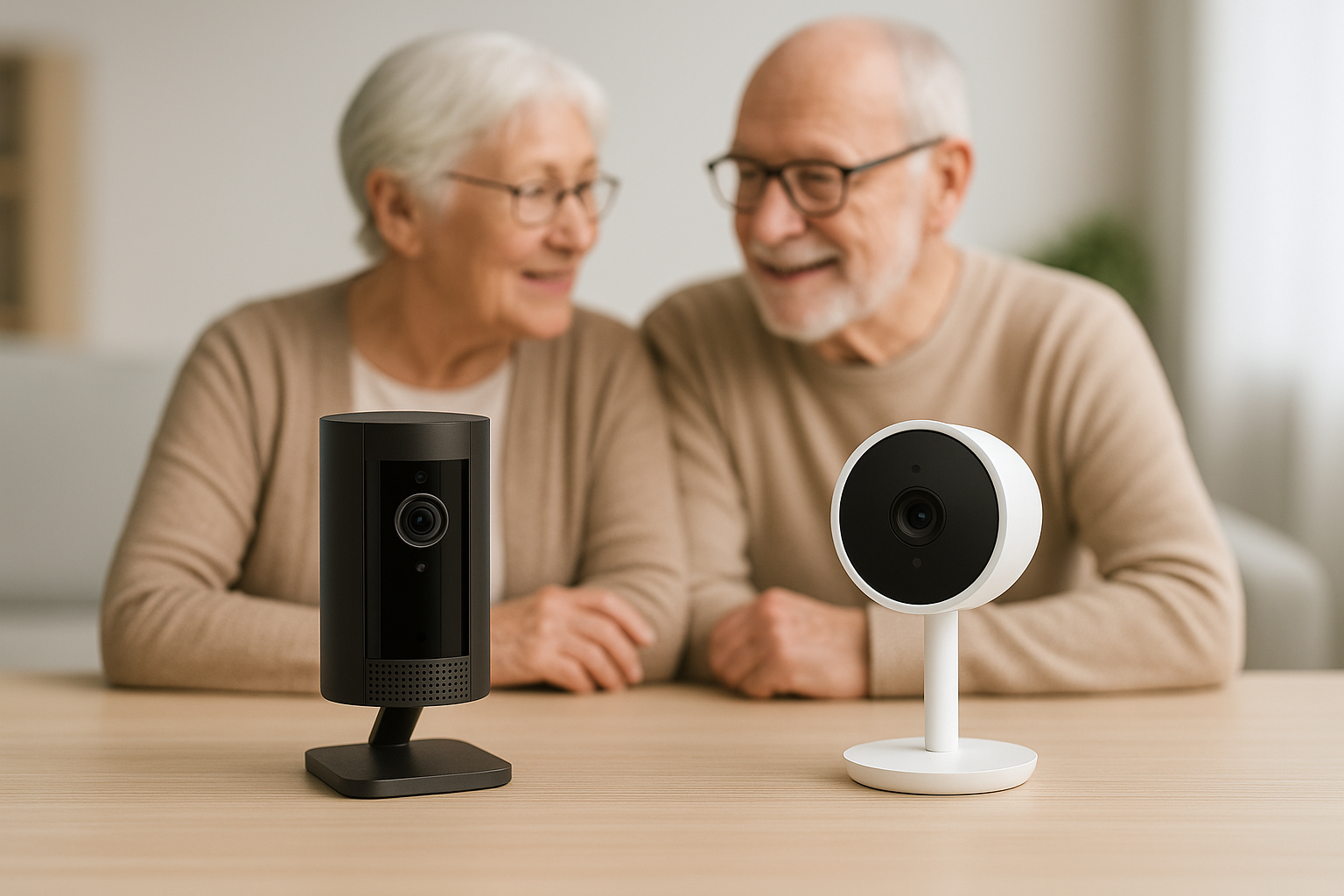
Understanding the Needs of Elderly Care via Indoor Cameras
As our loved ones age, ensuring their safety becomes a top priority. For many, living at a distance from elderly parents amplifies these concerns. Ring and Google Nest indoor cameras offer compelling solutions for monitoring and checking on elderly parents, thanks to advancements in technology. But how do we decide which one is the best fit?
In this article, we will explore the features, benefits, and potential downsides of both Ring and Google Nest indoor cameras, helping you make an informed decision tailored to the specific requirements of caring for elderly parents.
Key Features to Consider
Video Quality and Reliability
The clarity of video footage is crucial in ensuring you can accurately assess situations. Both Ring and Google Nest have advanced their camera technologies substantially by 2026, offering high-definition options and reliable video streaming.
- Ring Indoor Cameras: Known for 1080p HD video quality, which offers clear visuals and a 150-degree field of view. According to a recent review of 2026 models, Ring cameras maintain a balance of clarity and wide coverage, which is beneficial for comprehensive room monitoring.
- Google Nest Indoor Cameras: Nest cameras also boast 1080p video quality. However, what sets them apart is their intelligent HDR and a slightly larger field of view at 160 degrees, according to Smart Gadgets News. This can be particularly advantageous in larger living spaces.
Integration with Smart Home Devices
Compatibility with existing smart home systems can simplify monitoring processes. Both camera systems integrate smoothly with smart home devices, yet there are nuances in how they perform.
- Ring: As part of the Amazon ecosystem, Ring cameras fully integrate with Alexa-enabled devices. This makes it easy to manage voice commands and automate notifications throughout the home, a feature especially useful if your parents are already accustomed to using Alexa.
- Google Nest: These cameras work seamlessly with Google Home products, which can be advantageous for households already using Google's ecosystem. Voice activation and automation through Google Assistant allow for a personalized monitoring experience.
Ease of Use and Installation
For elderly care, simplicity in operation and ease of installation are critical. Families often need solutions that don't disrupt their parent's comfort while providing effective monitoring.
- Ring Cameras: Tend to have a straightforward installation process, and many models offer wire-free options to avoid complicated setups. Users typically report that the Ring app is intuitive, which eases the learning curve for new users, including the elderly.
- Google Nest Cameras: Although slightly more involved in terms of installation, Nest provides extensive tutorials and in-app guides that can simplify the setup. By 2026, consumer feedback on Tech Insider highlighted improved user interfaces, making the installation and use smoother.
Privacy and Security Concerns
Data Protection
Privacy remains a significant concern for anyone considering pervasive monitoring in personal spaces. Both Ring and Google Nest prioritize user privacy through several measures, but being informed helps in making a secure choice.
- Ring: Membership provides users with video encryption and security updates. Strong password recommendations and two-factor authentication add layers of protection, as reported by Privacy Matters studies.
- Google Nest: Also offers end-to-end encryption, with educational resources to assist users in understanding security settings. Their commitment to continuous updates ensures constant protection against potential threats.
Cost Considerations
Budget can heavily influence the choice between Ring and Google Nest cameras. Understanding the upfront and ongoing expenses can assist in aligning the purchase with your financial situation.
- Ring: Entry-level indoor cameras start around $60, with added costs for features such as cloud storage, priced from $3 per month. Comprehensive packages might increase pricing based on your needs.
- Google Nest: Tends to be slightly more expensive, with basic cameras starting at $85. Subscription plans follow a tiered model, offering a broad range of services in their higher-priced plans.
Making the Best Choice
Choosing between a Ring or Google Nest indoor camera ultimately depends on personal preferences, existing technology ecosystems, and specific care needs. Both provide robust solutions for monitoring elderly parents, presenting compelling features catered to home safety.
Real-world experiences suggest that integrating these cameras with personal care systems, such as health monitoring applications, maximizes their utility. Combined with knowledgeable setup and follow-up, these cameras not only monitor but also provide peace of mind, reinforcing the safety measures for your elderly loved ones.
As mentioned, staying updated with ongoing advancements is crucial, as both companies introduce innovative features designed to further ensure safety and ease of use.