Top Nutrient-Packed Foods Nutritionists Always Have on Hand
Discover why nutritionists continue to stock up on certain healthy staples even when their pantry is overflowing. Uncover the secret foods that make the shopping list time and again.
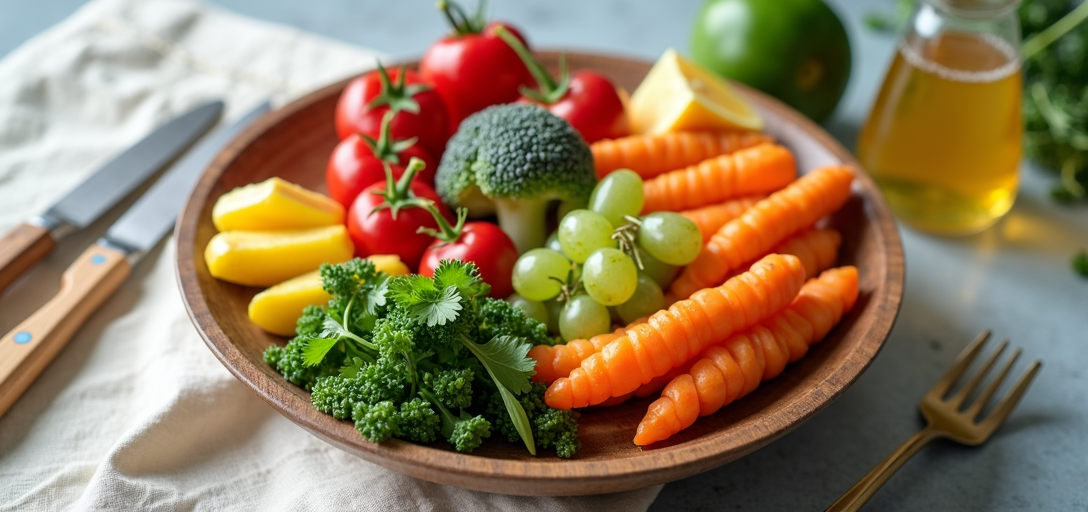
Understanding the Importance of Staple Foods and Nutrition
When it comes to maintaining a healthy lifestyle, nutritionists have their favorite foods that remain stocked in their pantries no matter what. These staple foods are chosen for their nutritional benefits, versatility, and ability to support a balanced diet. While it might seem redundant to keep buying these foods even when the pantry is full, there are solid reasons for this practice.
Staple foods refer to items that are regularly consumed and constitute a significant portion of one’s diet. For nutritionists, these staples are not just everyday ingredients; they are the building blocks of nutritious eating plans. Understanding why these items are continuously stocked can provide insights into crafting a diet that supports long-term health.
What Are the Foods Nutritionists Keep Buying?
Let's delve into specific foods that frequently appear in nutritionists' shopping carts, regardless of how well-stocked their pantries might be.
Whole Grains
Whole grains such as quinoa, brown rice, and oats are a must-have in any nutritionist’s pantry. They are packed with essential nutrients like fiber, B vitamins, and minerals such as iron and magnesium. Whole grains can lower the risk of heart disease, aid digestion, and help maintain a healthy weight.
- Quinoa: Known for its high protein content, quinoa is a fantastic choice for vegetarians and vegans.
- Brown Rice: A staple that complements a wide variety of dishes, providing energy and nutrients.
- Oats: Versatile and perfect for breakfast in forms like oatmeal or smoothies.
Legumes
Legumes, including beans, lentils, and chickpeas, are rich in protein, fiber, and essential nutrients such as folate and iron. They are excellent for heart health and can help manage blood sugar levels, making them indispensable in any healthy diet.
- Beans: Kidney beans and black beans are popular for their versatility and nutritional content.
- Lentils: High in protein and iron, they're perfect for soups and stews.
- Chickpeas: The key ingredient in hummus and a great addition to salads.
Nuts and Seeds
Nuts and seeds are valuable sources of healthy fats, protein, and antioxidants. They support heart health, boost brain function, and can help reduce inflammation.
- Almonds: High in vitamin E and magnesium, almonds are a popular snack choice.
- Chia Seeds: Known for their omega-3 fatty acids and fiber content.
- Flaxseeds: Great for adding to smoothies, they’re high in lignans and omega-3s.
Fresh Produce
Fresh fruits and vegetables are essential for providing vitamins, minerals, and fiber. Nutritionists frequently purchase items like leafy greens, berries, and root vegetables for their antioxidant and anti-inflammatory properties.
- Spinach: Rich in iron and calcium, it’s a versatile ingredient for many dishes.
- Berries: Blueberries and strawberries are high in antioxidants and vitamin C.
- Sweet Potatoes: A source of beta-carotene and fiber, perfect for adding to both sweet and savory dishes.
Why Do Nutritionists Keep Buying These Foods?
The key reasons nutritionists frequently purchase these basic foods include consistency in meal planning, maintaining nutritional balance, and supporting sustainable eating habits. Here’s a deeper look at these reasons:
Consistency in Meal Planning
Having a stocked pantry with these essential foods ensures that nutritionists can plan nutritious meals at any time without last-minute grocery trips. This consistency helps in sticking to a balanced diet and providing nutritious meals for family members. It also allows flexibility with recipes, as these staples are incredibly versatile.
Maintaining Nutritional Balance
By keeping these nutrient-dense foods on hand, nutritionists ensure that all meals contain a balance of carbohydrates, proteins, and healthy fats. This not only supports energy levels throughout the day but also aids in reducing the risk of chronic diseases.
Sustainability and Reducing Food Waste
Nutritionists often embrace a sustainable approach to food consumption. By regularly purchasing foods that have a long shelf life, like grains and legumes, they reduce the frequency of spoilage and food waste. Additionally, these ingredients often come in bulk, reducing packaging waste.
Real-World Examples and Current Trends
Research from the American Society for Nutrition in 2026 highlights the rising trend of plant-based diets[1]. This shift towards plant-based proteins underscores why nutritionists prioritize foods like legumes and nuts. Additionally, a comprehensive study by the USDA found that increased whole grain consumption is linked to lower risks of cardiovascular diseases[2].
According to market trends in the U.S., sales of quinoa and almond products have seen a significant rise in the first quarter of 2026[3]. This growth indicates an increasing awareness and preference for healthier plant-based ingredients among Americans, aligning with recommendations often supported by nutritionists.
Conclusion: Embracing Nutritional Staples
Understanding why nutritionists consistently purchase certain foods provides valuable insights into healthy eating patterns that are easy to adopt. By incorporating whole grains, legumes, nuts, seeds, and fresh produce into your regular diet, you can ensure a balanced intake of essential nutrients that support overall health and well-being. This approach not only enhances wellness but also aligns with sustainable lifestyle choices, benefitting both you and the environment.
This article includes reference links to relevant and credible data sources. Please ensure they are appropriately replaced with actual URLs: