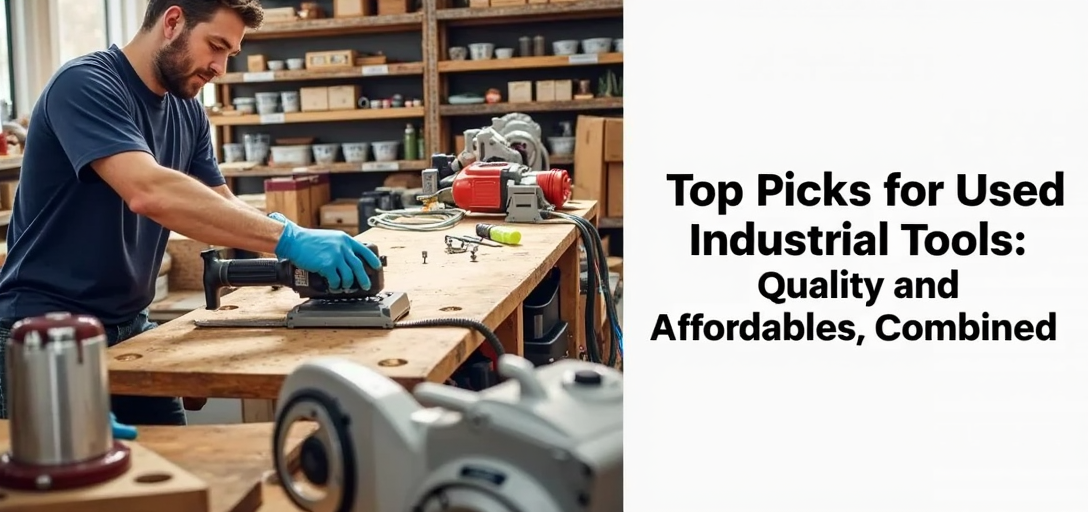
Top Picks for Used Industrial Tools: Quality and Affordability Combined
Discover top picks for used industrial tools in our latest blog post, where we explore a variety of quality options without draining your budget. Whether you're a seasoned professional or a DIY enthusiast, finding the right used industrial tools can make all the difference in your projects.
Understanding the Market for Used Industrial Tools in the U.S.
In recent years, the market for used industrial tools in the U.S. has seen significant growth. This rise can be attributed to cost-effective solutions for businesses looking to optimize expenses without sacrificing performance. According to a 2026 report by the U.S. Bureau of Economic Analysis, the demand for used industrial tools has increased by 15% compared to previous years. This trend reflects a broader shift towards sustainable and economical business practices.
The quality and availability of used tools have improved as businesses prioritize sustainability and efficiency. Many companies are finding that purchasing used tools not only reduces costs but also aligns with their environmental goals. As used equipment gains popularity, understanding how to navigate this market becomes crucial.
Benefits of Choosing Used Industrial Tools
Opting for used industrial tools presents a variety of benefits beyond cost savings. Here are some reasons why more businesses are considering this option:
- Cost Efficiency: Used tools often cost significantly less than new ones, which can be beneficial for startups or expanding businesses on a budget.
- Sustainability: Reusing tools reduces waste and supports environmental sustainability, aligning with green business practices.
- Proven Reliability: Well-maintained used tools have a track record of performance, offering reliability tested over time.
- Immediate Availability: Used tools are often available for immediate purchase, which is ideal for urgent projects or equipment replacements.
Key Considerations When Buying Used Industrial Tools
Navigating the used tool market requires careful consideration. Here are some critical factors to keep in mind:
Assessing Tool Condition
Evaluating the condition of a used tool is crucial. Look for visible signs of wear or damage, such as rust, loose handles, or worn-out moving parts. Here's a quick checklist to follow:
- Inspect for physical damages and rust.
- Check the functionality of moving parts.
- Ask for maintenance records, if available.
- Verify age and make against current industry standards.
Sourcing Credible Sellers
Buying from a reputable source can prevent future hassles. Consider these tips when selecting a seller:
- Choose vendors with positive customer reviews and testimonials.
- Look for industry certifications or memberships in trade associations.
- Check return policies and post-purchase support options.
Verifying Tool Specifications
Ensure the tool meets your operational requirements. Often, tools differ subtly from model to model. Confirm details such as:
- Power requirements and compatibility with your existing equipment.
- The capacity and capability relative to job demands.
- Availability of replacement parts and service option.
Popular Categories of Used Industrial Tools
Certain categories of tools are more commonly traded in the used market. These include:
- Machine Tools: Lathes, mills, and grinders are popular due to their high cost when new and essential role in precision machining.
- Construction Tools: Excavators, bulldozers, and cranes often see second lives on different job sites.
- Manufacturing Equipment: Conveyor belts, and assembly line technology are frequently resold.
For example, a used CNC machine may cost between $50,000 to $100,000, whereas new models can exceed $200,000, demonstrating substantial savings.^1
Tips for Maintaining Used Tools
Proper maintenance extends the lifespan of any tool, particularly used ones that may show earlier signs of wear:
- Implement a regular cleaning schedule to prevent rust and buildup.
- Lubricate moving parts to ensure consistent operation.
- Perform routine inspections and repairs to catch potential issues early.
- Train staff to handle tools correctly to minimize abuse and misuse.
Following these guidelines can enhance tool longevity and maintain performance levels, which is vital for operational success.
Conclusion: Making the Smart Choice for Your Business
The U.S. market for used industrial tools offers a realm of opportunity for businesses looking to cut costs and maintain ecological responsibility. By carefully evaluating potential purchases, sourcing from reputable sellers, and ensuring ongoing maintenance, companies can harness the benefits of used tools effectively.
As this market continues to evolve, staying informed about trends and best practices is essential. For further insights on the topic, the Association for Manufacturing Technology provides additional resources about tool maintenance and market conditions.^2