Top Priorities for Inspecting Your Home After Water Damage
After experiencing leaks or unexpected water damage, it's important to know what to inspect first to prevent further issues. Prioritize checking key areas such as ceilings, walls, and floors for hidden damage.
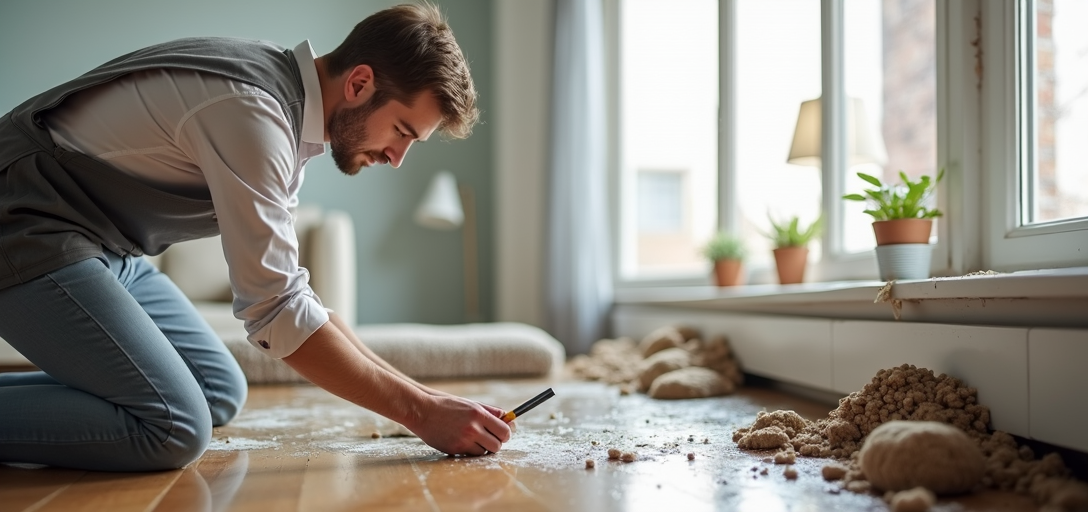
Identifying Water Damage: First Steps After Detection
When you discover leaks or unexpected water damage in your home, your first instinct might be to panic. However, staying calm and methodical is crucial to minimizing damage and ensuring safety. In the United States, household water damage is a leading cause of property loss, accounting for millions of dollars each year. Understanding the immediate steps to take can save you time, effort, and additional costs.
Safety First: Ensuring Your Home Is Safe
Before you begin any inspection, ensure the affected area is safe. Water and electricity are a dangerous combination, so your first move should always be to turn off electricity in that part of your home. According to the U.S. Fire Administration, electrical malfunctions are the leading cause of house fires after water intrusion.
- Shut off the electricity to the affected areas at the circuit breaker.
- Wear rubber-soled shoes and gloves to prevent electrical shock.
- If you’re uncertain about the safety of entering the area, contact a professional.
Initial Inspection: Key Areas to Examine
Once safety is secured, proceed to inspect the affected areas. Knowing where to look can significantly influence your ability to identify and solve the problem quickly.
Inspecting Visible and Hidden Components
Start by examining areas where water can accumulate and cause unseen damage. This includes:
- Ceilings: Water may seep through ceilings causing discoloration and sagging, indicating saturation.
- Walls: Check for wet spots, bubbles in paint or wallpaper, and mold growth.
- Floors: Look for warping, buckling, or musty odors that suggest water has seeped beneath carpets or hardwood.
- Basements and Crawl Spaces: Inspect for standing water, which may indicate poor drainage or leaking pipes.
Analyzing the Source: Where Is the Water Coming From?
Identifying the source of the leak is critical for repairs and prevention of future incidents. The nature of water damage can often indicate its source.
Interior Sources of Water Intrusion
Some leaks originate from within your home. These can include:
- Plumbing: Check pipes under sinks, behind toilets, and in basements. Look for drips, puddles, and corrosion around joints.
- Appliances: Inspect dishwashers, refrigerators, and washing machines for leaks or damage in water supply lines.
- HVAC Systems: Air conditioning units and furnaces can leak water if not functioning correctly.
Exterior Factors Leading to Water Damage
External factors can also cause significant water damage to your property:
- Roof: Damaged or missing shingles, improper flashing, and clogged gutters can lead to roof leaks.
- Foundation: Cracks in foundation walls can allow water seepage, often exacerbated by poor grading around your property.
- Windows and Doors: Improper sealing and aging materials can allow water infiltration, especially during storms.
Recording the Damage: Documentation and Support
Documentation is vital, both for insurance claims and as a guide for repair professionals. Following a structured approach will be beneficial.
Effective Ways to Document Water Damage
Use these techniques to ensure comprehensive documentation:
- Photographs and Videos: Capture images from different angles, detailing the extent of the damage.
- Detailed Notes: Write down observations, potential sources, and times/dates of inspections.
- Correspondence Records: Keep all emails and phone logs with insurance companies or repair contractors.
Moving Forward: Repair and Preventative Measures
Once initial inspection and documentation are complete, it's time to address the damages and fortify your home against future issues.
Immediate Repairs and Mitigation
Engaging with professional repair services is often necessary. In 2026, the U.S. saw a 15% increase in water damage repair costs, emphasizing the importance of thorough fixes to avoid recurrent issues.
- Plumbing Repairs: Hire a licensed plumber to fix pipe leaks and maintenance of major plumbing systems.
- Roof and Structural Repairs: Engage roofing experts and structural engineers to restore integrity to essential parts of your home.
- Mold Remediation: If mold is present, professional remediation is essential to ensure all spores are eliminated.
Preventative Maintenance Strategies
Long-term prevention involves proactive measures that can significantly reduce the risk of future water-related issues:
- Regular Inspections: Schedule regular maintenance checks for plumbing, roofs, and appliances.
- Install Water Detection Devices: Smart sensors can alert you to leaks before they cause major damage.
- Ensure Proper Drainage: Maintain gutters, downspouts, and ensure your property has adequate slope away from the foundation.
In conclusion, tackling water damage or leaks involves quick action, careful inspection, and preventative strategies. By understanding the necessary steps and consulting with professionals, you can protect your home and your investment.