Top Reasons Homeowners Are Upgrading Their Windows Today
Curious about the buzz around window upgrades? Discover why many homeowners are replacing their old windows and how it impacts their homes' comfort and energy efficiency. While new windows can enhance your living space, it's essential to consider your personal needs and set realistic expectations.
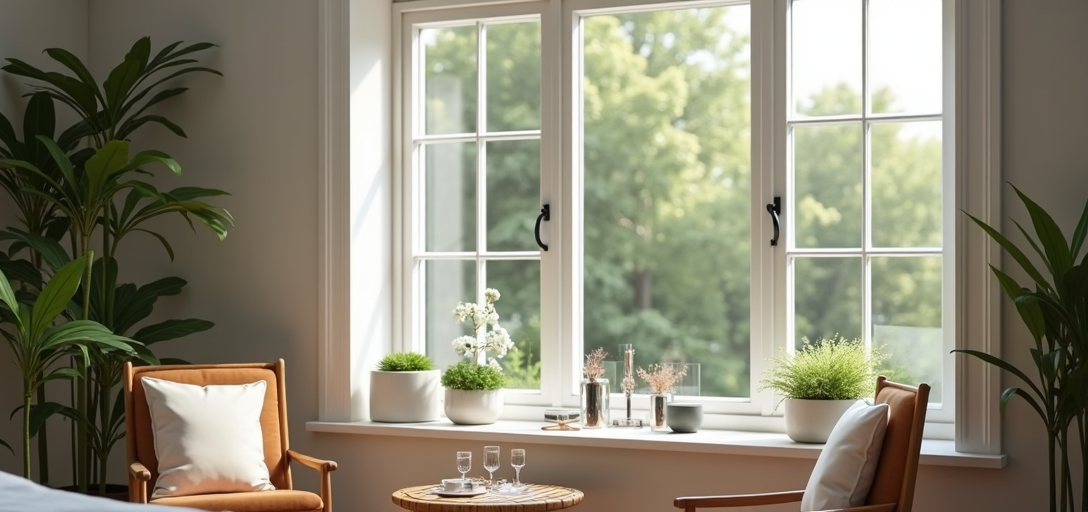
Why Homeowners Are Replacing Old Windows
In an era where energy efficiency and sustainable living are more important than ever, homeowners across the United States are increasingly choosing to replace their old windows. This shift is driven by multiple factors, including improving home energy efficiency, increasing property value, and enhancing overall comfort within the home.
Energy Efficiency: The Key Driver
One of the primary reasons for replacing old windows is to enhance a home’s energy efficiency. Older windows, particularly those that are single-pane, allow a significant amount of heat to escape in the winter and can let in excess heat during the summer. According to the U.S. Department of Energy, heat gain and heat loss through windows are responsible for 25%–30% of residential heating and cooling energy use. Replacing these with energy-efficient windows can significantly reduce energy bills.
Modern windows use technologies such as low-emissivity (Low-E) coatings, double or triple glazing, and inert gas fills between panes to achieve better insulation properties. These innovations minimize heat transfer, helping to maintain a comfortable interior climate while reducing HVAC reliance.
- Low-E Coatings: Thin metallic coatings that reflect heat, helping keep homes warmer in winter and cooler in summer.
- Double/Triple Glazing: Multiple panes of glass that provide additional insulation, reducing energy consumption significantly.
- Inert Gas Fills: Argon or krypton gases are often used between panes to improve insulation.
Boosting Home Value and Aesthetics
Another consideration for homeowners is the increase in property value and the aesthetic appeal that new windows provide. Real estate experts often highlight that curb appeal plays a crucial role in attracting potential buyers, and windows are a significant component of that first impression. A recent 2026 report from the National Association of Realtors confirmed that homeowners could recoup about 70% of the cost of new windows upon resale.
Besides financial benefits, the aesthetic upgrade offered by modern windows can vary dramatically. From sleek, minimalist designs to charming, traditional styles, modern windows cater to various architectural preferences, ensuring that they complement any home's design.
Enhanced Comfort and Noise Reduction
Improved comfort inside the home is another significant reason why homeowners are opting for new windows. Energy-efficient windows not only regulate temperature effectively but also reduce the amount of exterior noise that enters the home, making for a quieter and more serene living environment. Homes located in bustling urban areas, or near busy streets, often find this feature particularly beneficial.
- Acoustic Glass: Designed to reduce noise by combining various layers of glass.
- Sealed Framework: Modern window installations ensure airtight seals, further reducing noise penetration and air leakage.
How to Choose the Right Windows for Your Home
Climate Considerations
The type of windows that work best for your home can largely depend on your regional climate. For instance, homeowners in colder regions of the US, such as the Midwest or New England, might prioritize windows with higher thermal resistance. Meanwhile, those in sunnier areas like California or Florida might look for options that prioritize solar control to prevent excessive heat gain.
Material Selection
When selecting new windows, material choice is crucial as it impacts both durability and maintenance requirements. Common materials include:
- Vinyl: Offers good insulation and is low-maintenance, affordable, and durable.
- Wood: Preferred for its classic appearance and excellent insulation properties, though it requires more maintenance.
- Aluminum: Known for its strength and low maintenance, suitable for modern aesthetics.
- Fiberglass: Highly durable and energy-efficient, mimicking the look of painted wood without its upkeep.
Energy Star Certification
Choosing Energy Star-certified windows is a smart move as these products meet strict criteria set by the U.S. Environmental Protection Agency. Energy Star windows are designed to lower owners' energy bills by an average of 12% nationwide relative to a typical window. In 2026, this has become a primary measure of energy efficiency when evaluating new windows.
The Replacement Process
Professional Installation
Hiring a professional for window installation is crucial for maximizing the performance benefits of new windows. Professionals ensure proper fitting, reduce the risk of air leaks, and comply with safety regulations. According to a 2026 industry survey, improperly installed windows can negate up to 30% of energy savings.
DIY Considerations
While some homeowners might consider installing windows as a DIY project to save money, it's important to weigh this against potential drawbacks. Lack of experience can result in errors that might compromise the window’s performance and longevity.
Time and Cost Expectations
The time frame for replacing windows can vary depending on the number of windows and the type chosen, but it typically ranges from a few days to a week. As for the cost, it’s influenced by labor rates, material choices, and regional differences. On average, U.S. homeowners in 2026 spend between $500 to $1,200 per window.
Conclusion
Replacing old windows is a strategic home improvement decision that offers substantial benefits in energy efficiency, home value, comfort, and aesthetics. By considering local climate, material selection, and professional installation, homeowners can make well-informed choices that keep their homes comfortable and energy costs manageable.