Top Reliable Electric Vehicles You Can Depend On
Curious about electric vehicles that won't let you down? Discover which EVs have earned top marks for reliability. We dive into expert reviews and consumer feedback to pinpoint which models on the market shine.
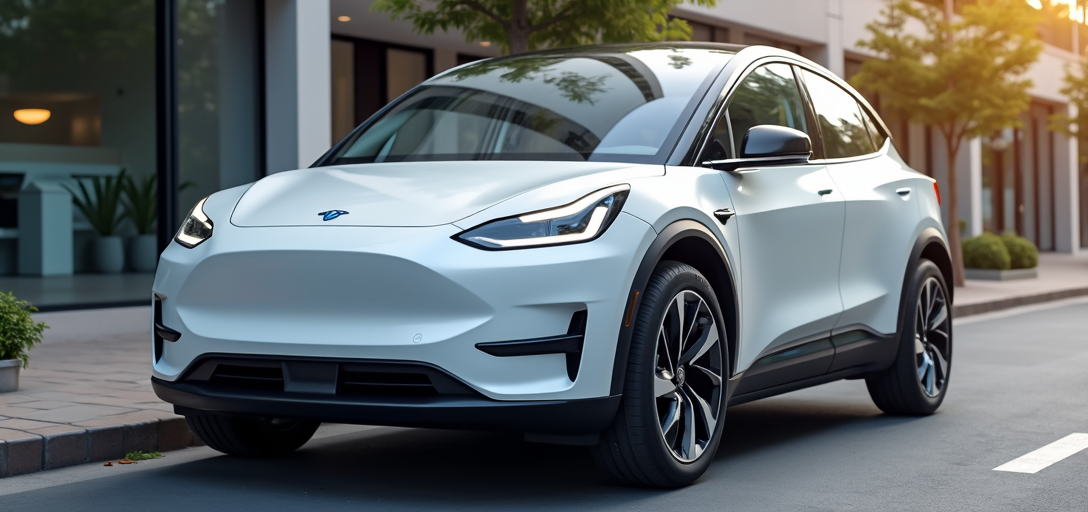
Understanding Electric Vehicle (EV) Reliability Ratings
As the demand for electric vehicles (EVs) surges in the United States, potential buyers are increasingly focused on reliability. EVs are known for their environmental benefits and state-of-the-art technology, but how do they perform over time? This is where reliability ratings come into play, offering insights into the performance, upkeep, and dependability of these vehicles.
Reliability ratings are typically derived from consumer feedback, manufacturer specifications, and road tests. They cover various aspects, including battery life, drivability, maintenance costs, and the frequency of repairs. Understanding these ratings is critical for making an informed EV purchase decision.
Top-Rated EVs for Reliability in 2026
In 2026, several electric vehicles have been distinguished for their exceptional reliability, offering peace of mind to potential buyers. These vehicles have achieved high satisfaction ratings from consumers and automotive experts alike.
Tesla Model 3
The Tesla Model 3 consistently tops the charts for EV reliability, offering highly efficient battery performance and cutting-edge safety features. Over the years, Tesla has fine-tuned its manufacturing process, reducing the frequency of minor defects reported in previous models. In addition, improvements in their autonomous driving technology have further enhanced the Model 3’s reputation.
Ford Mustang Mach-E
The Ford Mustang Mach-E combines impressive reliability with dynamic performance. It has benefited from Ford's extensive expertise in engineering and is frequently praised for its strong driving range and robust battery life. In the latest consumer reports, the Mach-E has seen a significant reduction in repair-related issues compared to early versions.
Nissan Leaf
Long known for its affordability and efficiency, the Nissan Leaf remains one of the most reliable EVs on the market. With updates focused on enhancing its range and reducing maintenance costs, the Leaf continues to be a frontrunner for someone looking to transition from a traditional combustion engine vehicle to an electric one.
What Contributes to EV Reliability?
To truly understand EV reliability ratings, it's essential to delve into the factors that contribute to a vehicle's stability and dependability over time. The following aspects are critical:
- Battery Technology: The heart of an EV is its battery. A robust, long-lasting battery significantly boosts reliability ratings. Manufacturers like Tesla and Hyundai are investing heavily in research to increase battery lifespan and charging efficiency.
- Software Updates: Regular updates for EV systems help to fix bugs and enhance performance, similar to how smartphones work. Reliable manufacturers are those that consistently provide software updates long after a vehicle's release.
- Build Quality: EVs with better build quality have fewer panel gaps, tighter seals, and higher overall manufacturing precision, resulting in less wear and tear.
- Service Network: A well-developed service network ensures easier access to repairs and maintenance, crucial for maintaining the vehicle's condition over time.
Why Reliability Matters for EV Buyers
Reliability is a key consideration for every car buyer, especially those investing in an electric vehicle. Here’s why having a reliable EV matters:
- Cost Savings in the Long Run: Reliable vehicles often incur fewer unexpected repair costs, which translates into financial savings over time.
- Resale Value: Cars with higher reliability ratings tend to maintain their value longer, offering better resale prices to owners.
- Peace of Mind: Knowing that your vehicle is unlikely to encounter frequent problems makes for a stress-free driving experience.
Future Trends in EV Reliability
Looking ahead, the landscape of EV reliability is expected to evolve with technological advancements and broader adoption. Key trends include:
- Advancements in Battery Tech: With each passing year, improvements in battery technology are expected to extend driving ranges and reduce charging times, addressing two fundamental concerns of EV owners.
- Increased Focus on AI and Machine Learning: Using artificial intelligence in diagnostics could allow for predictive maintenance, reducing downtime and preemptively addressing potential issues.
- Enhanced Manufacturing Processes: As the industry matures, more streamlined production processes will likely yield even higher reliability and quality standards.
Conclusion
For consumers considering an electric vehicle in 2026, understanding reliability ratings is more important than ever. Vehicles like the Tesla Model 3, Ford Mustang Mach-E, and Nissan Leaf lead the way, providing dependable and efficient options in this burgeoning market. Assessing various factors such as battery technology, software updates, and build quality can help ensure that buyers make a purchase that best suits their needs and offers lasting value.
For those ready to make the shift, investing in an electric vehicle not only supports environmental initiatives but also promises long-term benefits through reliable performance and lower maintenance costs.
Please refer to the latest consumer reports and trusted automotive reviews such as [Consumer Reports](https://www.consumerreports.org/) and [JD Power](https://www.jdpower.com/Cars), which provide in-depth reliability assessments for the most relevant models on the market.