Top Streaming Receivers for Uninterrupted Digital Media Playback
Discover the essentials of streaming receivers designed for smooth digital media playback systems. We'll explore how these devices enhance your viewing and listening experience, providing insights into various options available.
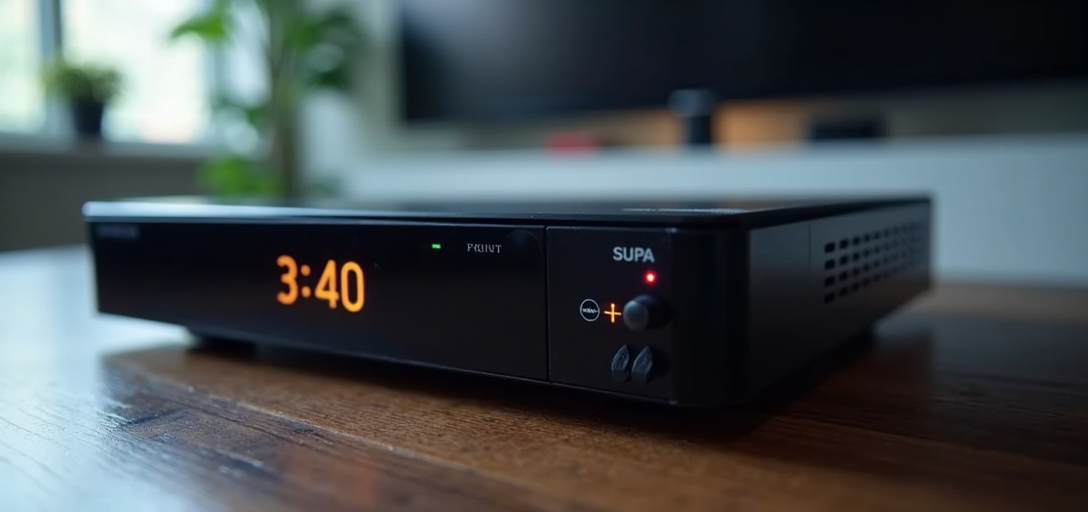
Understanding Streaming Receivers and Their Importance
Streaming receivers have become a staple in modern entertainment setups, providing a seamless way to enjoy digital media content across various devices. These gadgets are designed to facilitate smooth digital media playback systems, enabling users to stream high-definition movies, music, and TV shows directly from online services or local networks to their displays. But what exactly makes streaming receivers an essential component of digital media systems in 2026?
As of 2026, the US market for streaming devices has continued to grow, driven by increasing consumer demand for easy access to a broader range of content without interruptions. These devices are not just limited to video streaming; they also integrate with smart home systems, enhance audio delivery, and provide various connectivity options.
Key Features of Modern Streaming Receivers
Streaming Quality and Content Variety
One of the biggest advantages of modern streaming receivers is their ability to deliver high-definition content. Many devices now support 4K UHD and HDR (High Dynamic Range) formats, ensuring that viewers get the most immersive experience. In 2026, consumers expect nothing less than top-notch quality in streaming media, and streaming receivers do not disappoint in this regard.
Besides high-quality video, streaming receivers provide access to a plethora of content platforms. Popular services such as Netflix, Hulu, Disney+, and Amazon Prime Video, among others, are readily available. This versatility is a significant factor why streaming receivers are preferred over traditional broadcasting options.
Integration with Smart Home Systems
Another feature that sets streaming receivers apart is their integration capabilities with smart home systems. In the smart homes of 2026, streaming receivers can connect with devices like Amazon Alexa, Google Assistant, and Apple's Siri. This integration allows users to control playback via voice commands, part of a seamless connected home experience.
Connectivity Options and Ease of Use
Connectivity is a crucial aspect of streaming receivers, allowing them to interface with a range of devices. Most modern receivers support Wi-Fi 6, which offers faster speeds and improved reliability compared to previous versions, ensuring smoother streaming even in busy households.
Bluetooth connectivity is another standard feature, enabling users to listen to audio content through wireless headphones or speakers. The ease of setting up these connections also caters to less tech-savvy users, making streaming receivers accessible to a wide range of audiences.
User Interface and Remote Control Features
The user interface of streaming receivers has seen significant improvements in recent years. They are now designed with user-friendliness in mind, featuring intuitive menus and easy navigation functions. Remote controls have also evolved; premium models offer voice controls and customizable buttons for frequently accessed applications.
Evaluating Cost-Effectiveness and Value for Money
As of 2026, the cost of streaming receivers varies widely based on features and brands. Basic models are available for as low as $50, while high-end models with advanced features can go up to $300 or more. However, considering the long-term benefits such as access to countless content libraries and the enhanced viewing experience, these devices offer significant value for money.
Additionally, by consolidating multiple media functions into one device, users may find cost savings by reducing the need for multiple pieces of equipment, such as separate DVRs, DVD players, or smart speakers.
Choosing the Right Streaming Receiver: What to Consider
With so many options available, choosing the right streaming receiver can be daunting. Here are some factors US consumers should consider:
- Compatibility: Ensure the device is compatible with the other components of your media system.
- Content Availability: Check which streaming platforms are accessible on the device.
- Audio/Video Outputs: Ensure the device has the necessary outputs for your television and sound system.
- Future-Proofing: Opt for devices that support the latest technology, like 8K streaming, if you intend to upgrade your system soon.
Conclusion: The Future of Streaming Receivers
In summary, streaming receivers are integral components of a smooth digital media playback system. They bridge the gap between content providers and viewers, ensuring content is delivered in the best possible quality. With more homes in the US adopting smart technologies, the role of streaming receivers is only set to grow.
According to a 2026 report by Statista, streaming devices in the US are expected to witness a CAGR of 5.3% over the next five years, testifying to their ever-increasing relevance in modern home entertainment systems.[1]